 (
( 

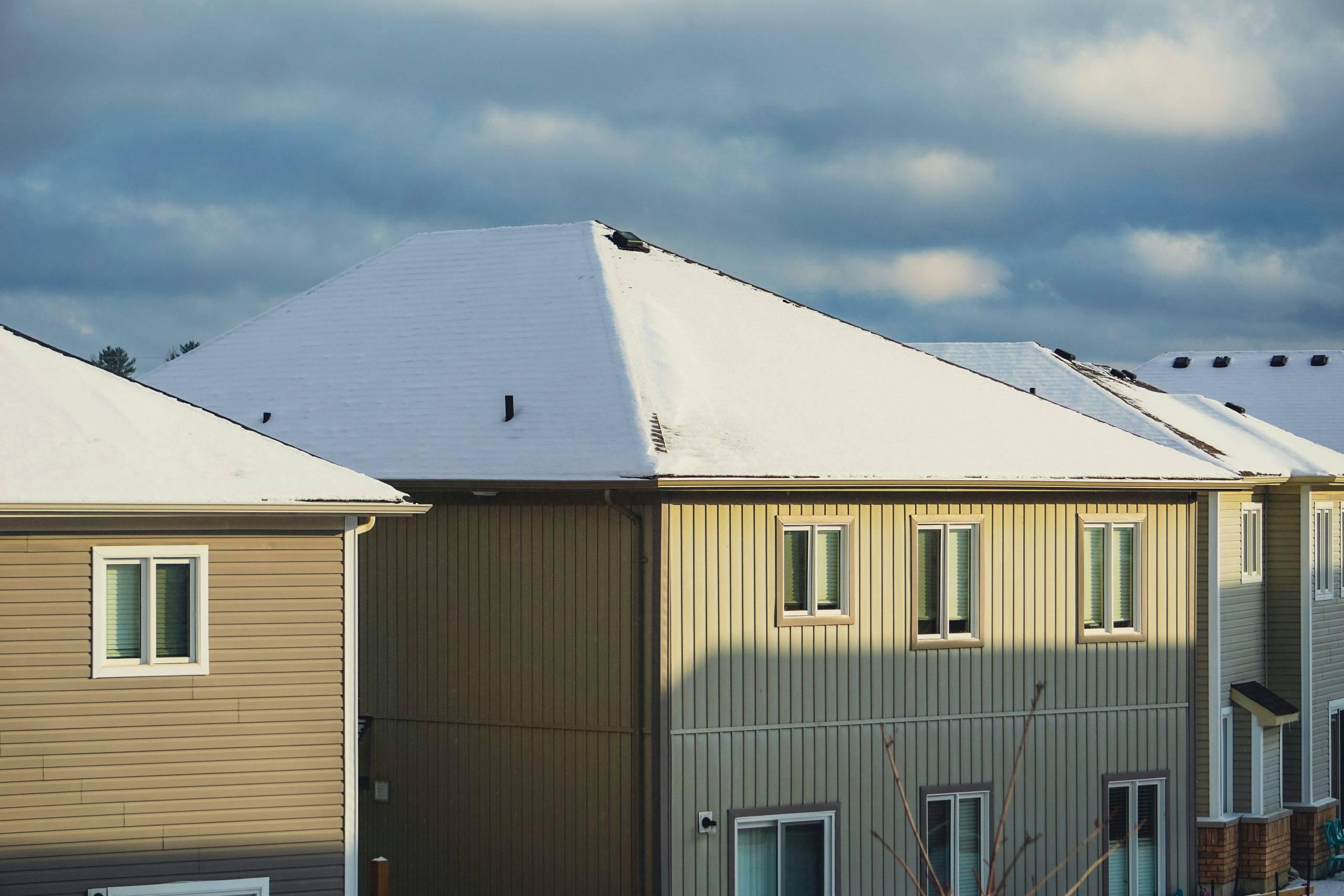

Winter in Arkansas brings cold temperatures, rain, and occasional ice, all of which can expose weaknesses in your home’s structure. Roof leaks are not only a structural concern, they also create an inviting environment for winter pests. From termites to rodents, leaks provide access, moisture, and shelter that pests need to survive the winter.
How Leaks Attract Winter Pests
Pests are naturally drawn to warmth, food, and moisture. Roof leaks deliver all three. Water intrusion can damage wood framing, ceilings, and insulation, creating soft or damp areas that termites, carpenter ants, and beetles can exploit. Rodents and small mammals may also enter through compromised shingles, vents, or attic openings, using the moist interior as a safe winter habitat.
Even minor leaks that go unnoticed for weeks can lead to significant infestations. Moisture promotes mold and rot, which weakens wood and attracts wood-dwelling winter pests. Termites are especially active in damp wood and can expand damage quickly if left unchecked.
Common Causes of Roof Leaks
Understanding what causes leaks helps homeowners prevent winter pest problems before they start. Some of the most common causes include:
- Damaged or missing shingles from storms or wear
Over time, shingles can become cracked, curled, or blown off by strong winds and severe weather. Missing shingles leave your roof exposed to water intrusion, which can seep into the underlying wood and insulation. Even small gaps provide enough moisture to attract termites and other wood-dwelling winter pests. Regular inspections and timely shingle replacement can prevent water and pest damage. - Cracked or failing flashing around chimneys, vents, and skylights
Flashing is the metal barrier that seals roof joints and edges. When flashing deteriorates, gaps form that allow water to enter. Water accumulating around these areas softens wood and insulation, creating ideal conditions for insects, rodents, and mold. Ensuring flashing is intact and properly sealed helps protect vulnerable points on your roof. - Clogged or misaligned gutters causing water backup
Gutters are designed to channel water away from your home. When they become clogged with leaves, debris, or misaligned from their mounts, water can overflow and seep under shingles or along roof edges. This standing water promotes decay and invites winter pests to move closer to your home. Cleaning and maintaining gutters throughout the year is essential for preventing leaks and infestations. - Ice dams that force water under shingles
In cold weather, ice can build up at the edges of the roof, forming ice dams. These dams prevent melting snow from draining properly, causing water to back up under shingles. The trapped moisture can leak into attics and walls, attracting termites, carpenter ants, and other winter pests. Proper insulation and attic ventilation can reduce the risk of ice dams forming. - Poor attic ventilation leading to condensation and moisture buildup
Even without external leaks, a poorly ventilated attic can accumulate moisture from everyday household activities. Condensation on roof decking can cause wood to warp, rot, and weaken, creating hidden spots for winter pests to nest. Ensuring your attic has adequate ventilation and monitoring for moisture can prevent damage and pest infestations before they become serious.
Addressing these issues promptly reduces the risk of water intrusion and keeps your home dry, minimizing pest attraction during the winter months.
Signs of Pest Activity Linked to Roof Leaks
Homeowners should watch for warning signs that a leak is inviting winter pests:
- Discolored or sagging ceiling panels
- Small holes or sawdust near rafters or attic wood
- Droppings, gnaw marks, or nesting materials in the attic
- Moisture stains around vents, chimneys, or roof penetrations
Detecting these issues early allows for timely repairs and prevents small pest problems from growing into costly infestations.
Preventing Pest Intrusion Through Roof Leaks
Addressing roof leaks quickly is critical to winter pest prevention. Homeowners can take several steps:
- Inspect roofs for damaged shingles, flashing, or sealant failures
- Ensure gutters and downspouts are clear to prevent water backup
- Check attic spaces for moisture, soft spots, or signs of pests
- Seal small openings around vents, chimneys, and roof edges
Coupled with routine home maintenance, these precautions reduce the likelihood of pests gaining access and allow your home to stay dry and protected throughout winter.
Professional Inspection and Prevention
While homeowners can implement basic preventative measures, professional inspections provide a more thorough assessment. West Termite offers comprehensive services that address both pest prevention and moisture control. Our experts can detect hidden leaks, identify early signs of termite or insect activity, and recommend tailored solutions to safeguard your home.
With targeted winter pest control and leak management, you can prevent small problems from escalating. Termites, rodents, and other pests that exploit roof leaks can be stopped before significant damage occurs, saving both time and money.
Protect your home from pests this winter by addressing roof leaks and hidden vulnerabilities. Call West Termite today to schedule an inspection or learn more about preventing winter infestations.