 (
( 


As Arkansas begins to warm in early spring, homeowners may assume termites remain dormant until the summer months. In reality, spring termite colonies can become active much earlier, especially as soil temperatures rise and moisture levels increase. Subterranean and drywood termites start foraging for wood and other cellulose materials, making early spring a critical time for inspections and preventive measures. Understanding termite behavior during this season is essential for protecting your home from costly structural damage.
Why Termites Are Active in Early Spring
Termites are highly sensitive to environmental changes, particularly temperature and moisture. During the winter, termite activity slows, but as soil warms in early spring, colonies resume their search for food and nesting sites. Subterranean spring termites may expand tunnels closer to the surface, exploring new areas of a home for wood and cellulose. Drywood termites, often hidden in attics, wall voids, or furniture, can begin infesting structures as temperatures rise.
This early activity is particularly dangerous because termites can remain hidden for months before signs become visible. Even a small colony can cause extensive structural damage if left untreated. Early detection and intervention reduce repair costs, minimize property damage, and help maintain a safe and comfortable living environment for your family.
Signs of Early Spring Termite Activity
Detecting termite activity in the early spring requires homeowners to pay close attention to subtle indicators, including:
- Mud tubes along foundation walls or crawl spaces, used by subterranean termites for moisture and protection while traveling between soil and wood.
- Hollow-sounding wood when tapped, which may indicate tunneling inside beams, flooring, or furniture.
- Discarded wings near windows, doors, or light sources, a sign that swarmers have emerged from established colonies.
- Frass (termite droppings) in drywood infestations, resembling small wood-colored pellets around baseboards or furniture.
- Warped or blistered wood, particularly in areas that may retain moisture, signaling termite feeding activity.
Recognizing these early signs allows homeowners to schedule professional inspections and prevent larger infestations before significant damage occurs.
How Termites Enter Homes in Spring
Termites often exploit vulnerabilities in homes as temperatures rise. Subterranean termites enter through tiny cracks in foundations, gaps around utility lines, or areas where wood contacts soil. Spring rainfall softens soil, making it easier for termites to expand tunnels. Landscaping mulch, firewood, and garden debris near a home’s foundation can serve as bridges for termites to access structural wood.
Drywood termites may already inhabit attic spaces, wall voids, or stored wood, becoming more active with warmer indoor temperatures. Preventing spring termite entry requires eliminating easy access points and maintaining a barrier between wood and soil.
Preventive Measures for Homeowners
Homeowners can take several steps in early spring to reduce spring termite risk:
- Regular inspections: Examine crawl spaces, attics, and exposed wood for subtle signs of termite activity.
- Moisture management: Repair leaks, maintain proper drainage, and ensure gutters and downspouts are functioning to prevent excess water around the foundation.
- Landscaping adjustments: Keep mulch, firewood, and plants at least 12–18 inches from the home to minimize spring termite access.
- Seal cracks and gaps: Use caulk, sealant, or mesh screens around doors, windows, vents, and utility penetrations.
- Professional prevention: Implement baiting systems, barrier treatments, or localized wood treatments to target early colonies.
These measures help create an environment less inviting to termites and reduce the likelihood of infestations becoming costly problems later in the year.
The Importance of Professional Pest Control
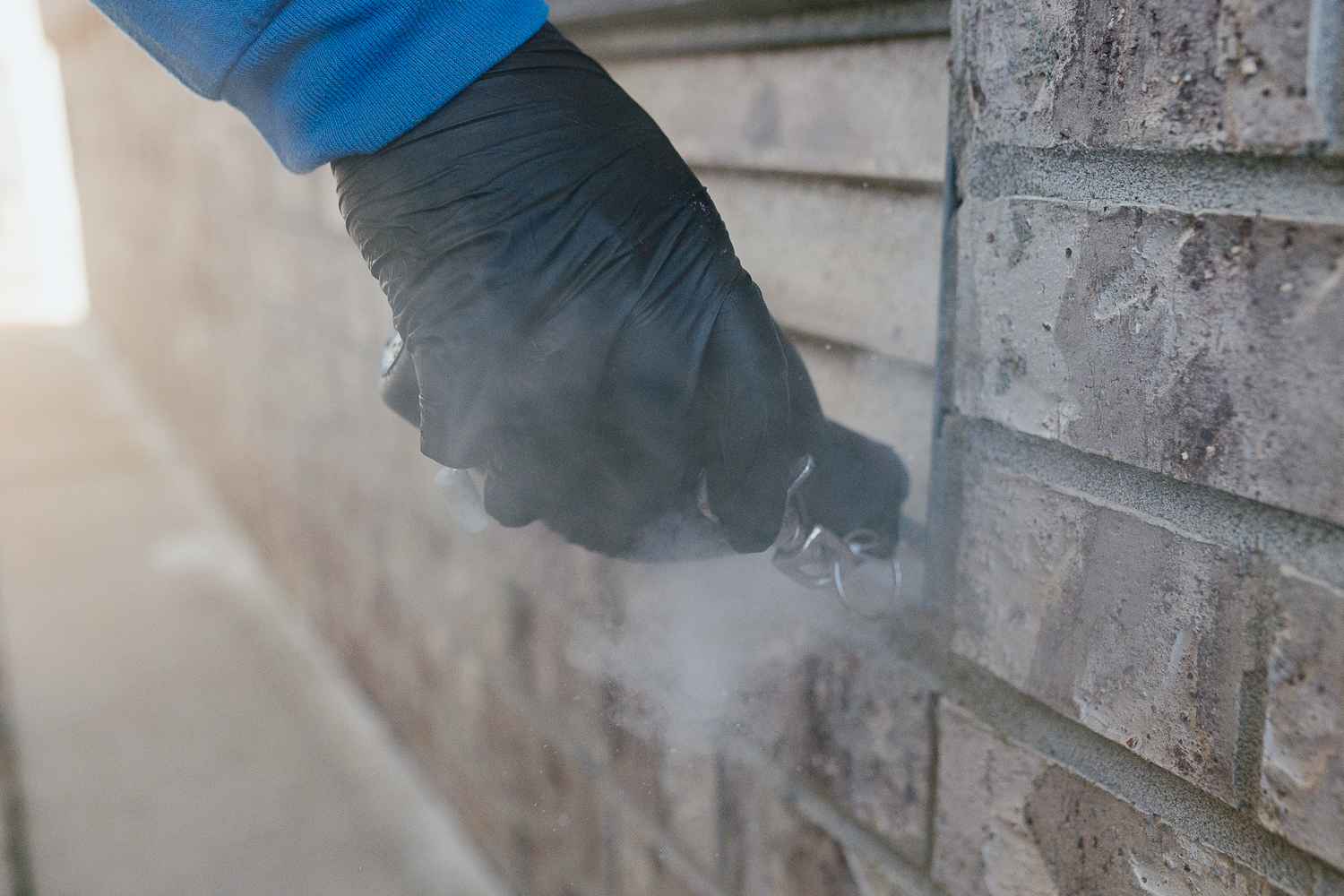
Even with diligent prevention, termites can be difficult to detect and control without professional expertise. West Termite provides comprehensive spring termite inspections and treatments tailored to early spring activity. Professionals can identify subtle signs of infestation, access hidden areas, and apply treatments designed to eliminate colonies before they expand.
Regular termite inspections not only protect the home’s structure but also provide homeowners with peace of mind. Partnering with a trusted pest control provider ensures that preventative steps are followed and infestations are managed safely and effectively.
Protect Your Home This Early Spring
Early spring is a critical period for spring termite prevention in Arkansas. By understanding termite behavior, monitoring for early signs, and taking proactive measures, homeowners can reduce the risk of severe damage and costly repairs. Combining preventive maintenance with professional termite services ensures a safe, comfortable, and structurally sound home throughout the year.
Contact West Termite today to schedule a professional termite inspection or learn more about our early spring termite prevention services. Protect your home before small issues turn into major infestations.