 (
( 


As spring approaches in Arkansas, homeowners face an increased risk of pests seeking warmth, food, and shelter. Many infestations begin with small, unnoticed entry points that allow insects, rodents, and other pests to move indoors. Pestproofing your home before the busy spring season is essential to keeping these intruders out and maintaining a safe, comfortable environment for your family.
Why Entry Points Are Critical
Pests are opportunistic by nature. Even the tiniest crack in a foundation, gap under a door, or unsealed vent can become an open invitation for ants, spiders, rodents, and termites. During winter, these pests may remain dormant in outdoor areas, but as temperatures rise in early spring, they actively search for new nesting and feeding locations. Preventing entry at this stage is much easier than dealing with a full-blown infestation later.
Rodents and insects often target areas that are easy to access and provide immediate shelter. Common entry points include gaps around doors and windows, cracks in the foundation, holes near utility lines, and spaces around vents or chimneys. By systematically inspecting and sealing these openings, homeowners can dramatically reduce the likelihood of pests entering the home.
Common Areas to Inspect
Homeowners should focus on both the exterior and interior of their home when pestproofing entry points. Outside, pay close attention to:
- Foundations and exterior walls: Look for cracks, gaps, and damaged siding that pests can exploit.
- Doors and windows: Ensure weather stripping is intact, and gaps under doors are sealed.
- Vents, pipes, and utility lines: Use caulk, mesh, or sealant to close openings around plumbing, electrical conduits, and dryer vents.
- Roofline and attic access points: Inspect soffits, eaves, and roof vents for openings that allow insects or rodents to enter.
Inside, check areas where walls meet floors and around plumbing fixtures. Basements, crawl spaces, and attics are particularly vulnerable because pests can move undetected in these spaces. Ensuring proper sealing and ventilation helps maintain a barrier against spring pests.
Techniques for Effective Pestproofing
Proper pestproofing combines inspection, repair, and preventive measures. Homeowners can use caulk, foam sealant, weather stripping, and steel mesh to close gaps and secure potential entry points. Screening vents and chimneys also prevents insects and small animals from accessing the interior. Maintaining doors and windows with tight-fitting frames reduces gaps that ants, spiders, and other pests can exploit.
Routine maintenance is also essential. Check gutters and downspouts for clogs, which can lead to water accumulation near the foundation and attract pests. Trim shrubs, trees, and landscaping near the home to eliminate bridges that pests can use to access the roofline or upper walls.
Partnering with Professionals
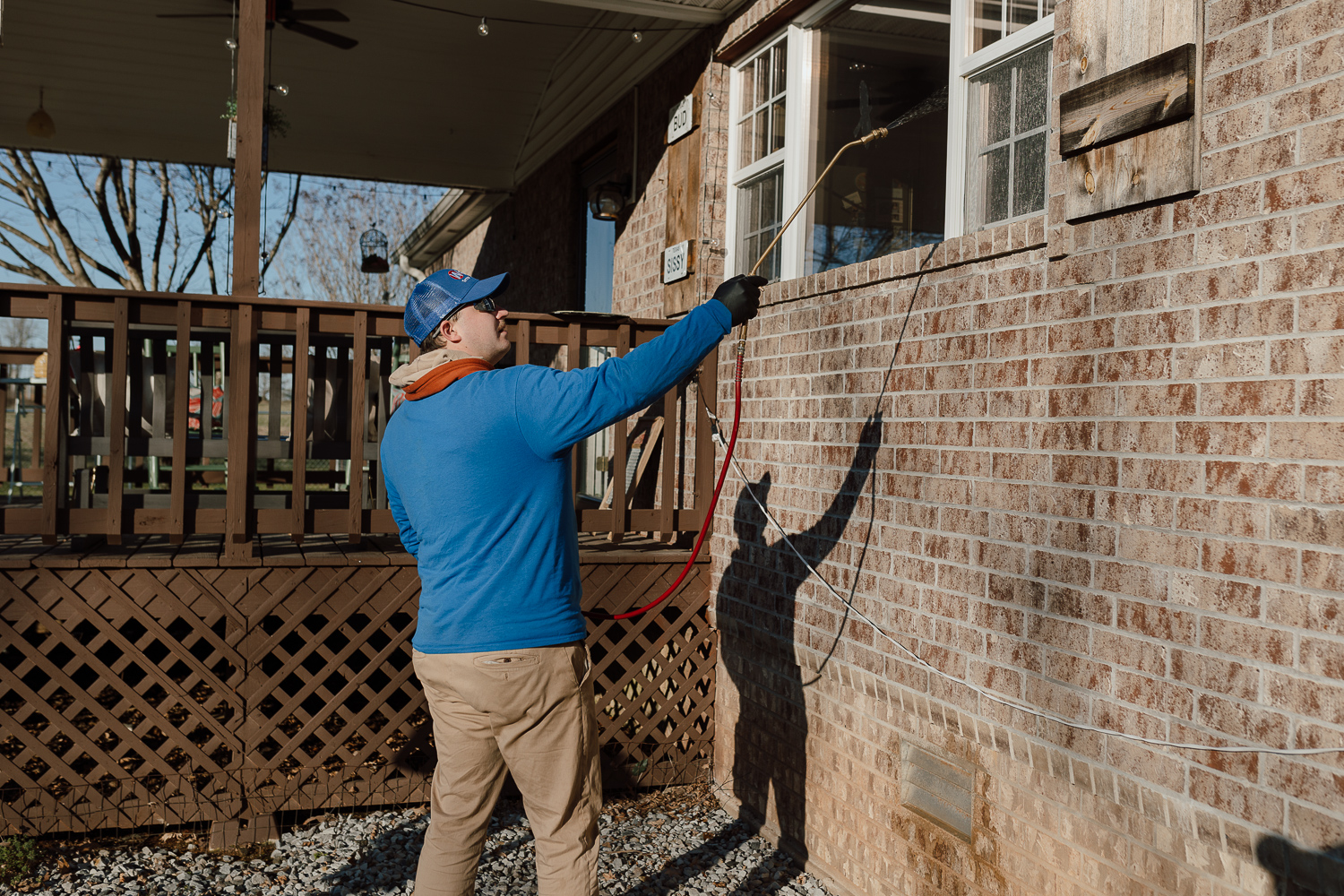
While many pestproofing tasks can be handled by homeowners, working with a professional pest control provider like West Termite ensures comprehensive coverage. Experts can identify subtle vulnerabilities, recommend targeted preventive solutions, and implement treatments for early-stage pest activity. Professional inspections often detect issues that are easy to overlook, providing long-term protection against infestations.
Pestproofing in early spring also supports termite prevention, which is particularly important in Arkansas. Termites can enter through small wood-to-soil contact points or cracks in exterior structures. By addressing these areas proactively, homeowners can minimize the risk of structural damage and costly repairs later.
Maintain a Pest-Free Home This Spring
Taking the time to pestproof your home before spring is a proactive way to protect your property and family. By sealing common entry points, maintaining exterior and interior structures, and partnering with professional pest control services, you can prevent pests from gaining a foothold. A well-prepared home allows you to enjoy the spring season without the stress of unwanted infestations.
Contact West Termite today to schedule an inspection and learn how our expert pestproofing services can keep your home safe from spring pests all season long.