 (
( 

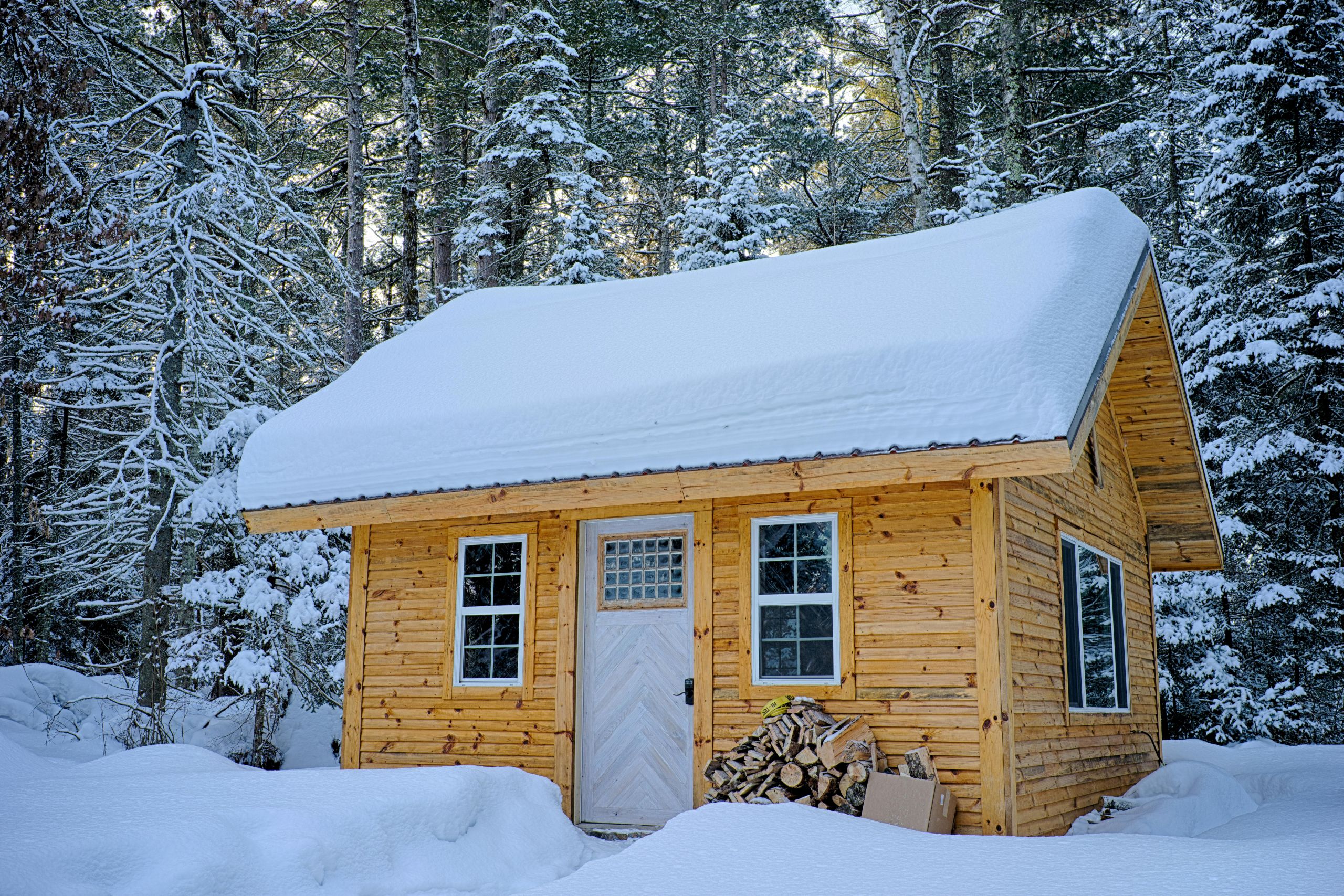

As temperatures drop in Arkansas, pests begin searching for warmth, food, and shelter. Your home becomes a prime target, especially if small gaps or cracks give them easy access. Sealing entry points is one of the most effective ways to combine weatherproofing your home with a strong layer of pest protection. When done correctly, you not only keep cold air outside, but you also reduce the chance of insects and rodents slipping indoors during the winter months.
Understanding how pests get in, what attracts them, and which areas of your home need the most attention is key to pestproofing your home before winter fully arrives. With the right approach, you can create a more comfortable living space while supporting long-term home pest prevention.
Why Sealing Entry Points Matters for Both Comfort and Pest Safety
Many homeowners think drafts and cold air are simply energy issues, but they are often also signs of pest vulnerabilities. The same small spaces that let conditioned air escape often allow pests to squeeze inside. When you begin sealing entry points properly, you improve energy efficiency and strengthen your home’s defenses against seasonal invaders.
Winter pests such as mice, spiders, roaches, and overwintering insects only need tiny openings to gain access. Gaps around windows, foundation cracks, torn screens, and even openings around utility lines can serve as pathways. Once indoors, pests can settle in wall voids, attics, basements, and storage areas where they are difficult to remove.
Weatherproofing your home supports prevention by closing these weak spots early. When the structure is sealed tightly, pests have fewer opportunities to move indoors, and your home retains warm air more effectively.
Where Pests Sneak In and How to Seal the Problem Areas
Every home has areas that are more vulnerable, especially older structures or those with shifting soil. Paying attention to common trouble spots helps you take a targeted approach to pestproofing your home.
Foundation and Crawl Space Gaps
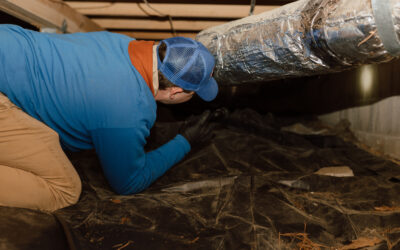
The foundation is one of the most common entry points for pests. Small cracks in concrete or openings around vents can attract ants, spiders, rodents, and moisture-loving pests. Because crawl spaces stay humid and dark, they are natural hot spots for activity.
Sealing these areas with mortar, silicone caulking, or mesh-backed coverings helps block entry. Adding proper ventilation and moisture control in crawl spaces further supports home pest prevention.
Doors, Windows, and Weatherstripping Issues
Loose weatherstripping, worn-out seals, and small gaps around frames are some of the biggest causes of drafts. These weak spots also allow pests to slip inside undetected. When you focus on weatherproofing your home, updating these components is one of the easiest and most affordable steps.
Replacing torn screens, tightening frames, adding fresh caulk, and installing heavier weatherstripping make a noticeable difference in indoor comfort and pest resistance.
Utility Line Openings and Exterior Fixtures
Any point where a pipe, wire, or cable enters your home creates a natural pest pathway. These openings often go unnoticed because they are partially hidden behind appliances or outdoor equipment.
Using expanding foam or silicone caulk around these lines prevents rodents and insects from following warm air currents into your walls. This small improvement can significantly reduce winter pest activity.
Roof Lines, Attics, and Soffits
Pests frequently enter through the upper sections of a home. Loose shingles, openings along the roof line, damaged soffits, and ventilation gaps make it easy for pests like squirrels, spiders, and overwintering insects to settle in attic spaces.
Repairing loose shingles, reinforcing soffits, and adding protective mesh to attic vents help close these high-entry areas. When combined with insulation upgrades, these improvements make your home stronger and more energy efficient.
Improving Home Comfort While Reducing Pest Pressure
One of the biggest benefits of sealing entry points is the combination of comfort and protection. When warm air stays inside and cold air stays outside, your heating system works more efficiently. At the same time, pests lose access to the breathable warm spaces they seek during colder months.
Outside your home, reducing debris, trimming vegetation, and adjusting landscaping around the foundation further support pest prevention. Inside, storing food properly, minimizing clutter, and managing humidity help reduce the indoor conditions pests seek once they get inside.
Together, these steps create a balanced environment that supports lasting comfort and home pest prevention.
When to Bring in Professional Support
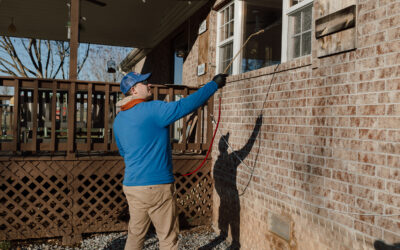
While many homeowners can handle basic caulking and weatherstripping, deeper structural issues or recurring pest activity often require help from a professional. A trained technician can identify openings that are easy to miss and provide long-term solutions that work for both structural integrity and pest control.
West Termite offers full inspections to locate hidden entry points and signs of pest activity. Our team specializes in combining weatherproofing your home with effective Pest proofing measures that give you long-lasting protection.
Protect Your Home with Expert Pest Control in Arkansas
Winter pests can cause stress and damage if left unchecked, but sealing entry points early helps keep your home safe, warm, and comfortable. Whether you are preparing your home for the season or dealing with recurring pest activity, West Termite is here to help with complete Arkansas pest control solutions.
Contact West Termite today to schedule a winter inspection and strengthen your home’s protection before colder weather brings pests indoors.