 (
( 



A healthy lawn can change quickly during the summer months. One week, your grass looks lush and green, and the next you notice discolored patches, thinning areas, or sections that appear to be dying. While many homeowners blame heat or lack of rain, summer lawn fungus is often the real culprit.
Summer lawn fungus is one of the most common turfgrass problems across Arkansas, Oklahoma, and Missouri. Warm temperatures, high humidity, and improper watering habits create ideal conditions for fungal diseases to spread. The biggest challenge is that many homeowners do not recognize the warning signs until significant damage has already occurred. Understanding the early symptoms of summer lawn fungus can help you take action before a small issue turns into a lawn-wide problem.
Why Summer Lawn Fungus Becomes More Common
Fungal diseases thrive when heat and moisture combine. During late spring and summer, lawns experience periods of high humidity, warm overnight temperatures, and frequent watering. These conditions create the perfect environment for fungal spores to grow and spread.
Unlike many lawn issues that develop slowly, fungus can move surprisingly fast. Under the right conditions, visible damage can expand across a lawn in a matter of days. This is why early detection is so important. Many fungal diseases begin in small, isolated areas before spreading outward. By the time large brown patches become visible, the problem may already be well established.
Research also shows fungal activity often peaks in spring due to warmer temperatures and higher humidity. Studies indicate total fungal concentrations are significantly higher in spring compared to other seasons (p ≤ 0.005), supporting the link between warm, moist conditions and increased fungal growth.
The Early Warning Signs of Lawn Fungus
One reason lawn fungus treatment is often delayed is that the symptoms can initially resemble other lawn problems. Homeowners may mistake fungal damage for drought stress, nutrient deficiencies, or insect activity.
Early signs often include subtle changes in the appearance of the turf. Grass blades may begin losing their rich green color and develop yellow, brown, or gray discoloration. Small circular patches may appear in isolated sections of the yard. In some cases, the grass may look water-soaked or matted down even when conditions are relatively dry.
As the disease progresses, these areas often expand and merge, creating larger sections of damaged turf. The longer the fungus remains untreated, the more difficult recovery becomes.
Why Watering Habits Matter
Many lawn diseases are directly linked to watering practices. While grass needs moisture to survive summer heat, too much water can create ideal conditions for fungal growth.
Watering late in the evening is a common mistake. When grass remains wet overnight, fungal spores have extended periods to develop and spread. Frequent shallow watering can also contribute to disease by keeping the surface consistently damp.
The healthiest approach is usually deep watering during the early morning hours. This allows moisture to reach the root zone while giving the grass time to dry throughout the day. Proper watering not only supports healthy turfgrass but also reduces the likelihood of fungal outbreaks.
Lawn Fungus Often Attracts Additional Problems
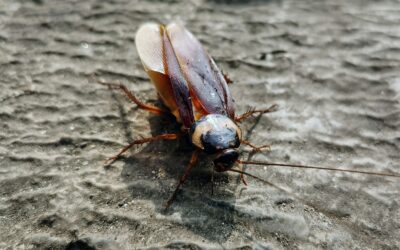
One issue many homeowners do not realize is that unhealthy grass becomes more vulnerable to insects and other pests. As fungal diseases weaken turfgrass, the lawn loses its ability to defend itself against environmental stress and insect feeding.
Certain insects are naturally attracted to stressed lawns because weakened grass is easier to damage. This can create a frustrating cycle where fungal disease and pest activity work together to accelerate lawn decline.
What starts as a fungal problem can quickly become a larger lawn health issue that requires both lawn treatment services and pest control solutions.
This connection is one reason professional diagnosis is so important. Treating only the visible symptoms may not fully resolve the underlying problem.
Why DIY Treatments Often Fall Short
When homeowners notice signs of turfgrass disease, many immediately turn to products from local garden centers. While some treatments can help under specific circumstances, DIY approaches often struggle because the underlying cause has not been properly identified.
Different fungal diseases require different treatment strategies. Applying the wrong product may provide little benefit and can sometimes increase stress on the lawn. In addition, many homeowners continue the watering habits or maintenance practices that contributed to the disease in the first place. Professional lawn treatment services focus on identifying the specific cause of the problem before recommending a solution. This approach improves treatment effectiveness and helps prevent future outbreaks.
Inspection Is the First Step Toward Recovery
Because many lawn problems share similar symptoms, professional inspections are often the fastest way to determine what is happening beneath the surface. Patchy grass may be caused by fungus, insects, soil conditions, heat stress, or a combination of factors.
A thorough lawn evaluation helps identify the true source of damage and allows for a targeted treatment plan. The sooner the issue is identified, the greater the likelihood of a full recovery.
Summer is often the most stressful time of year for turfgrass. Small problems that might be manageable in spring can spread rapidly once temperatures climb.
FAQ – Summer Lawn Fungus
What are the most common lawn fungi?
Common lawn diseases include brown patch, dollar spot, rust, powdery mildew, and fusarium blight, all of which thrive in warm, humid conditions.
Why are fungi very common in the wet season?
Fungi thrive in wet seasons because moisture, warmth, and poor airflow create ideal conditions for spores to grow and spread rapidly.
How can I tell if my lawn has a fungus or needs water?
Fungal damage often appears as irregular brown or yellow patches with defined edges, while drought stress is more uniform and improves after watering.
What time of year are lawn diseases most common?
Lawn diseases are most common in late spring through summer when temperatures rise, and humidity levels increase.
Why is there so much fungus this year?
Increased rainfall, humidity, and temperature fluctuations can create ideal conditions for fungal outbreaks, making them more widespread in certain years.
Protect Your Lawn During Peak Damage Season
Summer lawn fungus is not something homeowners should ignore. What begins as a few discolored spots can quickly spread across large sections of turf when heat and humidity are at their highest. Early detection, proper watering practices, and professional treatment are key to protecting your lawn during the toughest months of the year.
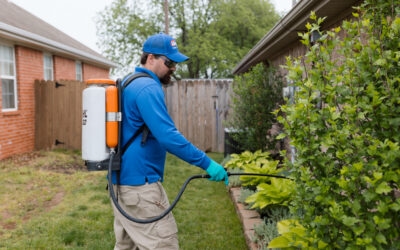
At West Termite, we provide professional lawn treatment services and free lawn inspections designed to identify fungal disease, insect activity, and other turfgrass problems before they become severe. Our team helps homeowners throughout Arkansas, Oklahoma, and Missouri stop lawn damage before it spreads.
If your lawn is showing signs of discoloration, thinning grass, or patchy growth, contact West Termite today. We can help identify the problem, recommend the right solution, and keep your lawn looking its best all summer long.