 (



When summer temperatures begin to fall, homeowners often notice a familiar problem inside the house: cockroaches.
The appearance of a small cockroach in house areas such as kitchens, bathrooms, garages, laundry rooms, and basements is not necessarily random. Cooler outdoor conditions can cause cockroaches to search for warmer, more protected environments where food, moisture, and shelter are easier to access.
That makes the transition into fall and winter an important period for homeowners to watch for signs of cockroach activity. What may begin as one occasional sighting can sometimes point to a larger issue nearby.
Why Cooler Weather Changes Cockroach Behavior
Cockroaches are highly adaptable pests, but they still depend on environmental conditions that support their survival. Outdoor temperatures that were comfortable during summer can become less favorable as fall progresses.
A home offers several advantages.
Indoor spaces provide relatively stable temperatures, access to water, food residue, appliances, cabinets, plumbing areas, and hidden spaces. These conditions can make a building much more attractive than an exposed outdoor environment.
Cockroaches may enter through cracks around foundations, gaps beneath doors, openings around utility lines, vents, or other small spaces along the exterior. Once indoors, they can move through concealed areas and establish themselves in locations where they are difficult to see.
This is one reason homeowners sometimes notice increased activity shortly after the weather changes.
What Does a Small Cockroach in the House Mean?
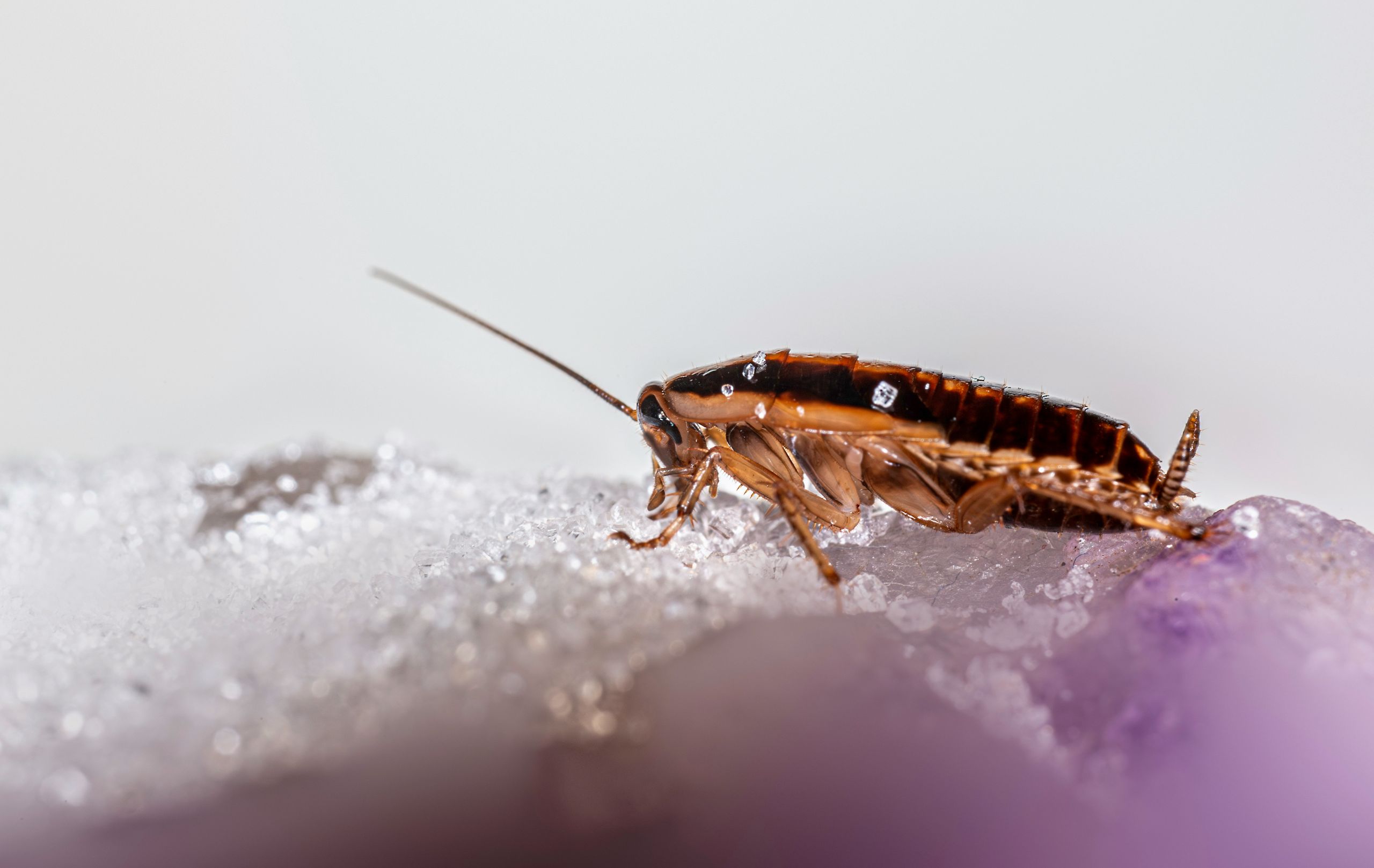
Finding a small cockroach in house areas can be concerning because younger cockroaches may indicate that reproduction has already occurred nearby.
Not every small cockroach automatically means there is a large infestation, but repeated sightings should not be dismissed. Nymphs, which are immature cockroaches, often remain close to places where food, water, and shelter are available.
If small cockroaches are appearing regularly, homeowners should pay attention to where they are being found. Sightings around sinks, refrigerators, dishwashers, cabinets, plumbing penetrations, and other warm or damp areas may provide useful clues.
The location of the sightings can help professionals determine where treatment should be focused.
Cockroach Eggs Can Be an Important Warning Sign
Another indication of established activity is the presence of roach eggs or cockroach eggs.
Cockroaches produce protective egg cases that contain multiple eggs. These cases may be tucked away in cracks, behind appliances, inside cabinets, or in other undisturbed areas. Since they are often hidden from view, homeowners may never see them unless the infestation has progressed or items are moved during cleaning.
An egg case can be especially concerning because eliminating visible adult cockroaches does not necessarily address developing eggs.
This is why treatment is most effective when it considers the entire infestation rather than targeting only the insects homeowners happen to see.
What About an Empty Roach Egg Sack?
Some homeowners discover an empty roach egg sack and assume the pest problem is over. Unfortunately, an empty egg case can mean that the eggs have already hatched.
That does not establish the exact size of an infestation on its own, but it is evidence that cockroach reproduction may have occurred in or around the property.
An empty case should therefore be treated as a reason to investigate further, particularly if other signs are present. Droppings, unpleasant odors, shed skins, grease marks, or repeated sightings can all provide additional clues.
The more evidence you find, the more important it becomes to consider professional pest management rather than isolated DIY treatment.
Why Kitchens and Bathrooms Attract Cockroaches
Cockroaches are drawn to environments where food and moisture are consistently available.
Kitchens naturally provide food particles, grease, crumbs, and water around sinks and appliances. Bathrooms can offer humidity, condensation, and plumbing access. Utility rooms, garages, and laundry areas may also provide hidden shelter.
Even a clean home can experience cockroach activity because these pests can take advantage of very small food sources and water droplets.
Cleaning helps, but sanitation alone may not stop cockroaches that are entering from outside or moving through concealed areas.
Why Professional Treatment Matters
One of the biggest challenges with cockroach infestations is that visible activity does not always show the full extent of the problem.
Cockroaches can hide in walls, cabinets, under appliances, and other areas people rarely inspect. By the time homeowners start seeing them regularly, the insects may already be established.
Searching for pest control near me often begins with an immediate desire to eliminate visible bugs. A professional approach goes further by looking for hiding locations, entry points, environmental conditions, and evidence of reproduction.
That can help address the source of the problem rather than simply treating whatever happens to be visible.
Keep Cooler Weather From Bringing Cockroaches Inside
Fall is a useful time to check for potential entry points and pay close attention to unusual insect activity. Gaps around doors and windows, damaged screens, foundation cracks, and openings around plumbing or utility lines can all deserve attention.
At the same time, recurring cockroach sightings should not be considered a normal part of the season.
West Termite provides professional pest management solutions for homeowners dealing with unwanted insect activity. Whether you have found a small cockroach in the house, noticed roach eggs, or discovered an empty roach egg sack, taking action early can help keep a seasonal pest problem from becoming a larger infestation.
When cockroaches start showing up indoors, let West Termite help you identify the cause and determine the right treatment for your property.