 (
( 

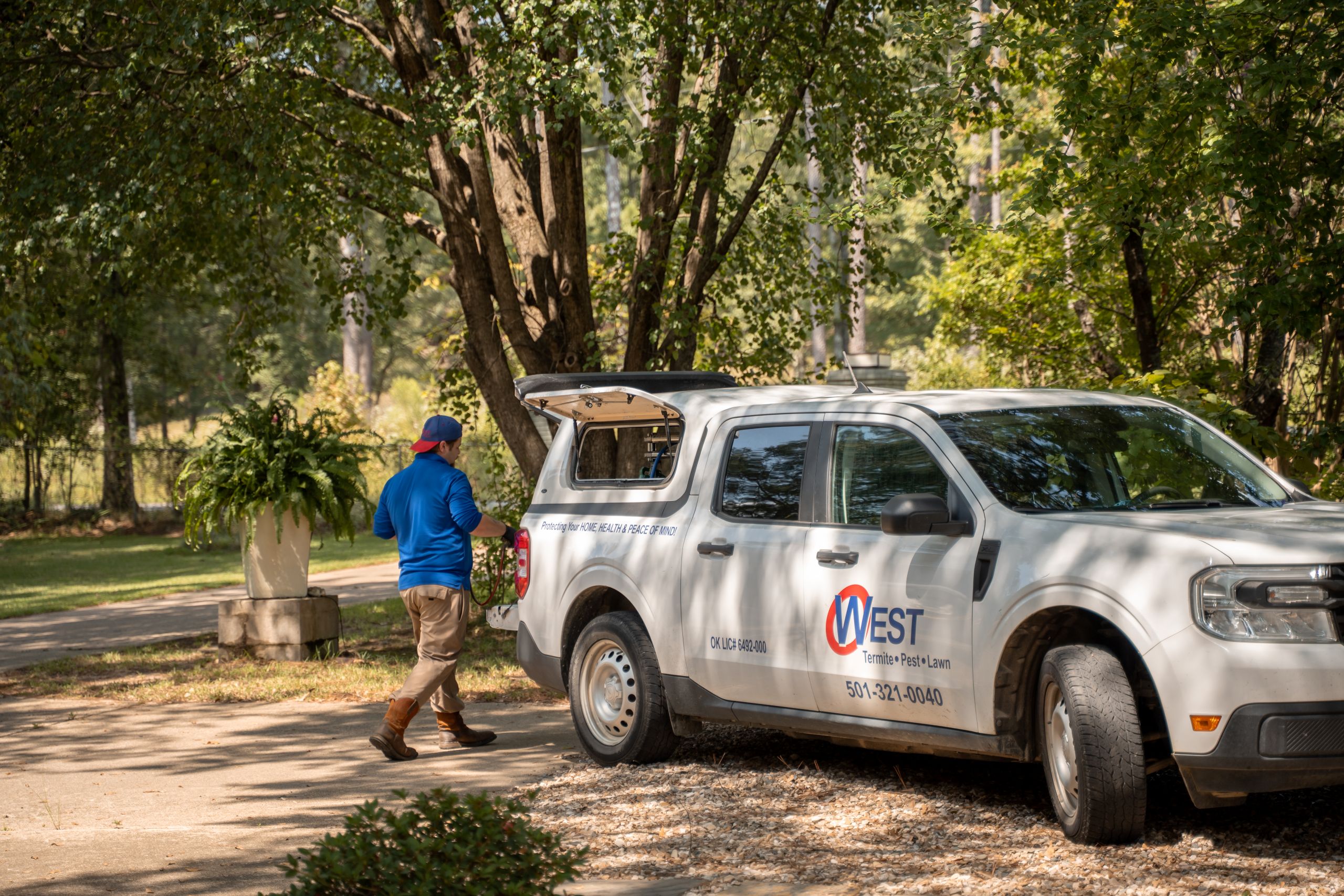

Fall lawn care is about more than keeping grass looking neat before winter. The condition of your lawn can influence moisture levels, soil conditions, insect activity, and the overall health of the landscape as temperatures begin to change.
A neglected lawn going into cooler weather may be more vulnerable to disease, pests, drainage issues, and thinning growth. At the same time, healthy turf can create a stronger foundation for the following growing season.
For homeowners and property owners in Arkansas, taking care of the lawn before cooler weather settles in is a worthwhile part of seasonal maintenance.
Healthy Grass Starts With Seasonal Preparation
Grass experiences different stresses throughout the year.
After months of summer heat, high temperatures, foot traffic, rainfall, insects, and other environmental factors can leave turf looking uneven or weakened. Some areas may appear thin, while others may struggle to recover from compaction or moisture problems.
Fall provides an opportunity to evaluate the condition of the lawn before winter arrives.
Instead of looking only at whether the grass is green, pay attention to the overall condition of the turf. Patchy areas, bare soil, excessive thatch, weeds, poor drainage, and compacted ground can all signal that the lawn needs additional attention.
Why Lawn Health Can Affect Pest Activity
Your lawn is part of your property’s pest environment.
Overgrown grass and dense vegetation can create shelter for insects and other pests. Areas with excess moisture may also attract organisms that thrive in damp conditions.
This does not mean every lawn problem creates a pest infestation, but maintaining healthy landscaping can reduce some of the conditions pests prefer.
Professional pest control services can be particularly helpful when lawn issues and pest activity appear together. For example, repeated insect activity around the lawn may point to environmental conditions that deserve a closer look.
Taking care of the landscape and addressing pest concerns together can provide a more complete approach to property maintenance.
Fall Is a Good Time to Look at Drainage
Water management is one of the most overlooked aspects of lawn health.
After heavy rain, certain parts of a yard may hold moisture longer than others. Low areas, compacted soil, clogged drainage paths, and poor grading can contribute to persistent dampness.
Excess moisture can create stress for turf and contribute to an environment where some pests and lawn diseases are more likely to thrive.
Walk around the property after rainfall and pay attention to places where water consistently collects. Those areas may need drainage improvements rather than more watering or repeated surface treatments.
Improving drainage can support stronger turf while making the landscape less attractive to certain moisture-loving pests.
What About Grasshoppers and Other Lawn Pests?
Grasshoppers can be especially frustrating during periods of active lawn and garden growth.
Homeowners searching for an effective grasshopper repellent are often trying to protect ornamental plants, gardens, and landscaping from repeated feeding. While various products and strategies are available, long-term management depends on understanding how much pest pressure is present and what is attracting or supporting the population.
The condition of the surrounding lawn and vegetation can influence pest activity. Overgrown areas, neglected landscape beds, and dense plant growth can create additional opportunities for insects to remain nearby.
Rather than focusing on one pest in isolation, it is often more useful to evaluate the overall landscape.
Local Lawn Care Requires Local Knowledge
A lawn in Russellville may respond differently to seasonal conditions than turf in another region because soil, weather, grass varieties, and landscape practices can all vary.
That local perspective matters when creating a lawn maintenance plan.
For homeowners looking for lawn care Russellville AR services, seasonal attention can help keep the property in better condition and identify problems before cooler weather slows growth.
West Lawn can be part of a broader property care strategy that considers turf health, landscape conditions, and pest pressures together.
Give Your Lawn Attention Before Winter Sets In
The work you put into your lawn during the transition into fall can affect how well the property handles the colder months and how easily it recovers when spring arrives.
Take time to assess thinning areas, drainage concerns, overgrown vegetation, and signs of lawn stress. At the same time, do not overlook pest activity around the landscape. A healthy yard is easier to maintain when potential problems are addressed before they have time to spread.
West Termite offers property care and pest management solutions for homeowners and property owners who want a more proactive approach to seasonal maintenance. From lawn health concerns to pest activity, the right support can help you prepare your property for the months ahead.
Make fall maintenance count. Connect with West Termite and West Lawn to see how professional lawn and pest services can help keep your property in better shape as cooler weather approaches.