 (
( 

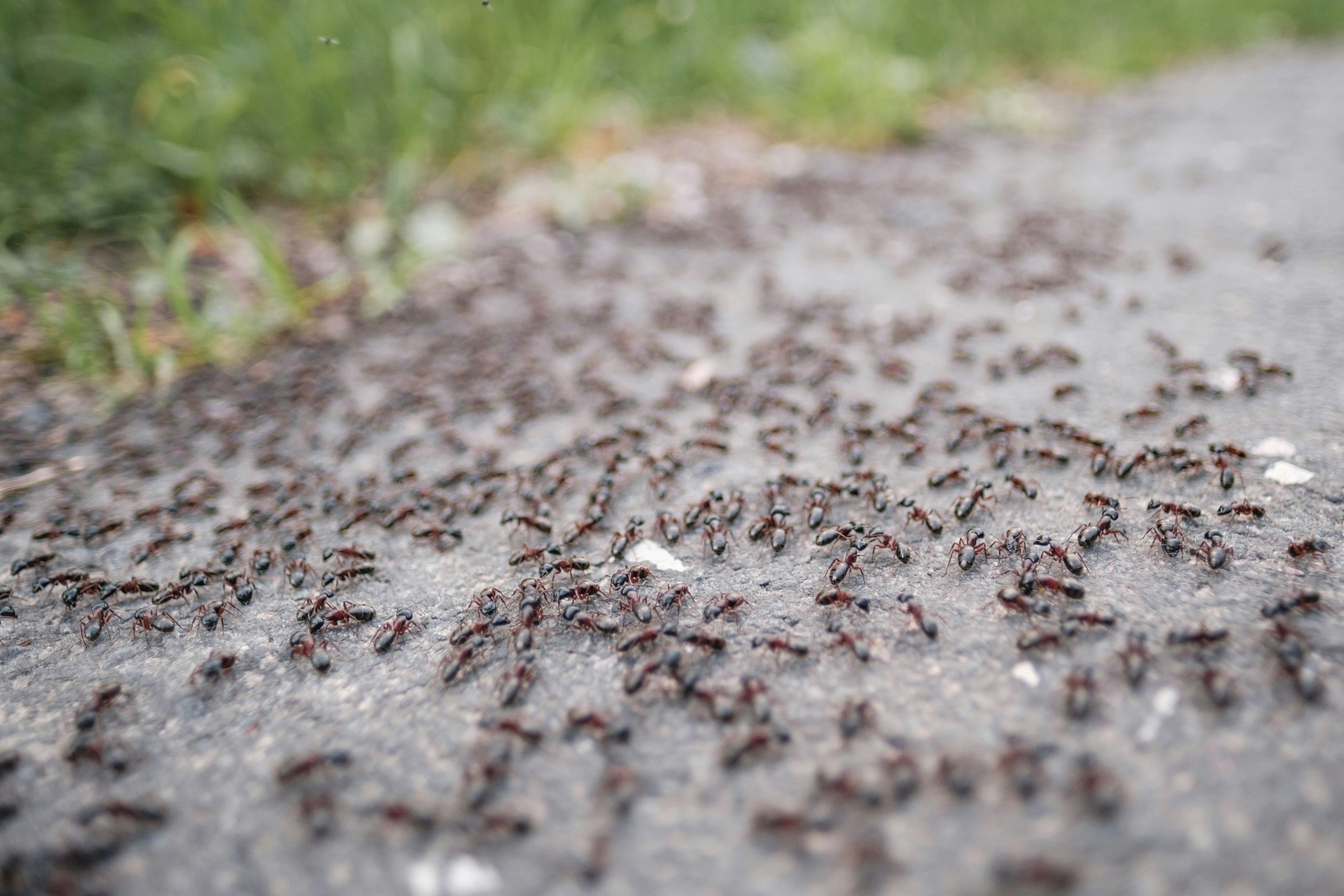

As temperatures begin to rise in Arkansas, ant activity increases almost immediately. Warmer weather signals the start of foraging season, and ants begin searching for food, water, and shelter. What may start as a few ants along a windowsill or countertop can quickly develop into a full ant infestation if left unchecked. Taking early steps toward preventing ant infestations is one of the most effective ways to protect your home and avoid ongoing pest issues throughout the spring and summer.
Why Ants Become Active as Temperatures Rise
Ant colonies remain relatively inactive during colder months, but as the ground warms, their activity increases rapidly. Worker ants leave the nest to scout for food sources, and once they find one, they create scent trails that lead other ants directly into your home. This is why a small number of ants can quickly turn into a large, visible problem.
Moisture also plays a major role in ant activity. Spring rains and rising humidity create ideal conditions for ants to thrive. Kitchens, bathrooms, and areas with plumbing are especially attractive because they provide both water and access to food. Outdoor conditions also contribute, as mulch beds, landscaping, and soil near your foundation often serve as nesting areas.
Understanding these patterns is key to preventing ant infestations before they become more difficult to control.
Common Entry Points for Ants
Ants can enter homes through extremely small openings, making it important to inspect both interior and exterior areas. Common entry points include:
- Cracks in the foundation or exterior walls
- Gaps around doors and windows
- Openings around plumbing and utility lines
- Vents, crawl spaces, and attic access points
Even minor gaps can serve as pathways for ants. Once inside, they tend to follow edges such as baseboards, countertops, and cabinets as they search for food.
Early Signs of Ant Activity
Recognizing early signs of ant activity allows homeowners to respond before ant infestations grow. Common indicators include:
- Small groups of ants near food sources or water
- Visible trails along walls, floors, or countertops
- Ants appearing near sinks, pet food, or pantry items
- Increased activity near entry points such as windows and doors
These early signs should not be ignored. Acting quickly can prevent the colony from becoming established inside your home.
Steps for Preventing Ant Infestations
Preventing ant infestations requires a combination of sanitation, maintenance, and proactive pest control measures. Homeowners can take the following steps to reduce risk:
Maintain clean surfaces: Wipe down countertops, clean spills immediately, and store food in sealed containers. Even small crumbs can attract ants.
Eliminate moisture sources: Repair leaking faucets, pipes, and appliances. Ensure proper drainage around your home to reduce damp conditions that attract pests.
Seal entry points: Use caulk and weather stripping to close gaps around doors, windows, and utility lines. This limits access points for ants and other pests.
Manage outdoor areas: Keep mulch, soil, and vegetation away from the foundation. Trim plants and trees that may act as bridges for ants to enter your home.
Inspect regularly: Check both interior and exterior areas for early signs of pest activity and address issues as soon as they appear.
These steps create a less inviting environment for ants and support long term home pest prevention.
Why Professional Pest Control Makes a Difference
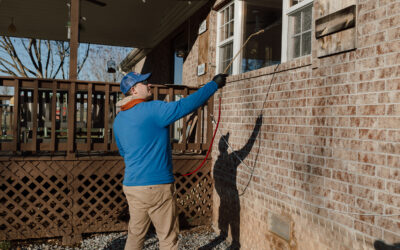
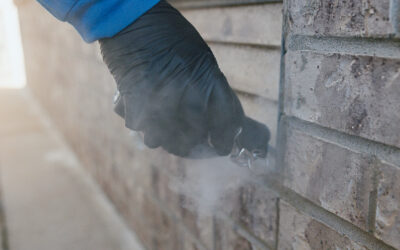
While DIY prevention methods are helpful, professional pest control provides a more complete solution. West Termite offers targeted treatments designed to address both current ant activity and future risks. Our team identifies entry points, locates nesting areas, and applies treatments that disrupt ant colonies at the source.
Professional pest control is especially important because ants often nest in hidden areas such as walls, crawl spaces, and outdoor soil. Without proper treatment, colonies can continue to grow even if surface activity appears to decrease. A customized pest control plan ensures that ant infestations are handled effectively and that your home remains protected throughout the season
.
Stay Ahead of Ant Problems This Season
Preventing ant infestations as temperatures rise is all about early action and consistency. By maintaining clean spaces, addressing moisture issues, sealing entry points, and working with a trusted pest control provider, homeowners can reduce the risk of infestations and maintain a comfortable living environment.
Spring is the ideal time to take control before pest activity peaks. Staying proactive not only protects your home but also saves time and money by avoiding more serious infestations later in the year.
Contact West Termite today to schedule a professional inspection and learn how our pest control services can help prevent ant infestations and keep your home protected this season.