 (
( 


Spring cleaning is more than just organizing your home and refreshing your space. It is also one of the best opportunities to prevent pest problems before they begin. As temperatures rise in Arkansas, pests become more active and start searching for food, water, and shelter. A thorough spring cleaning routine can help eliminate the conditions that attract pests and reduce the risk of infestations.
By combining cleaning with inspection and maintenance, homeowners can turn spring cleaning into an effective pest prevention strategy.
Why Spring Cleaning Helps with Pest Prevention
Pests are drawn to clutter, moisture, and easily accessible food sources. During the winter months, it is easy for small issues to go unnoticed. Crumbs build up in hidden areas, storage spaces become crowded, and moisture problems may develop without immediate attention.
Spring cleaning gives homeowners the chance to reset their environment. By removing clutter, deep cleaning overlooked areas, and checking for signs of pest activity, you can make your home less appealing to insects and rodents.
This process also supports early pest detection. Identifying minor issues during cleaning allows you to address them before they turn into larger problems.
Focus Areas During Spring Cleaning
Not all areas of the home receive the same level of attention during routine cleaning. Certain spaces are more likely to attract pests and should be a priority during spring cleaning.
Kitchens are one of the most common areas for pest activity due to the presence of food and water. Crumbs, grease, and improperly stored food can quickly attract ants, cockroaches, and other insects. Bathrooms and laundry areas are also important because moisture and humidity create ideal conditions for pests.
Storage spaces such as basements, attics, and closets often go unchecked for long periods. These areas can become hiding spots for rodents and insects, especially when clutter is present. Taking time to clean and organize these spaces reduces potential nesting areas and improves visibility for early pest detection.
Cleaning Habits That Help Keep Pests Away
Spring cleaning is most effective when it targets the conditions pests rely on. Homeowners should focus on maintaining a clean and dry environment throughout the home.
Clean hard-to-reach areas: Move appliances and furniture to remove hidden crumbs and debris
Store food properly: Use sealed containers for pantry items and avoid leaving food exposed
Take out trash regularly: Overflowing trash bins attract insects and rodents
Wipe down surfaces: Keep countertops, tables, and cabinets free of food residue
Vacuum thoroughly: Pay attention to corners, baseboards, and under furniture
These simple habits reduce food sources and make it harder for pests to survive indoors.
Addressing Moisture During Cleaning
Moisture control is just as important as cleanliness when it comes to pest prevention. Many pests, including termites, ants, and silverfish, are attracted to damp environments.
During spring cleaning, inspect areas where moisture tends to accumulate. Check under sinks, around appliances, and near plumbing fixtures for leaks. Look for condensation in basements or crawl spaces, and ensure proper ventilation in humid areas.
Fixing leaks and improving airflow helps eliminate one of the key factors that attract pests. It also supports termite prevention by reducing the damp conditions that termites need to thrive.
Decluttering to Eliminate Hiding Spots
Clutter provides shelter for pests and makes it easier for infestations to go unnoticed. Items such as cardboard boxes, old papers, and unused belongings create ideal hiding places for insects and rodents.
Spring cleaning is the perfect time to reduce clutter and organize storage areas. Removing unnecessary items improves visibility and allows homeowners to spot early signs of pest activity more easily.
Keeping storage areas neat and elevated also reduces contact with floors and walls, making it less likely for pests to settle in.
Inspecting for Early Signs of Pest Activity
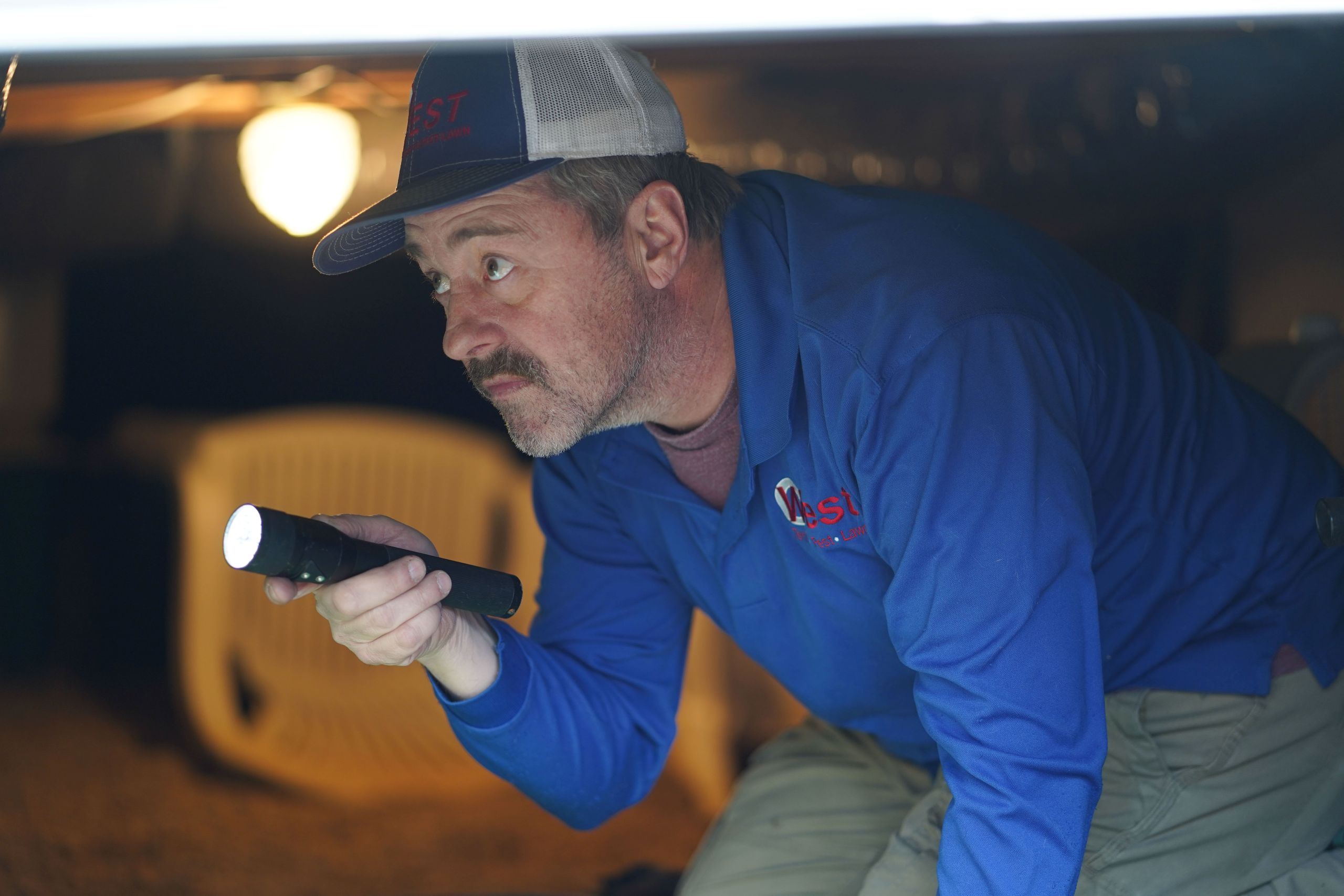
In addition to cleaning, spring is an ideal time to inspect your home for early warning signs. Look for droppings, damaged materials, unusual odors, or increased insect activity.
Pay close attention to entry points such as doors, windows, and utility openings. Sealing small gaps and cracks helps prevent pests from entering your home as activity increases in the spring.
Catching these signs early allows for quicker and more effective pest control.
Why Professional Pest Control Completes the Process
While spring cleaning is a powerful tool for pest prevention, it works best when combined with professional support. West Termite offers inspections and treatments designed to identify hidden issues and provide long-term protection.
Our team evaluates your home for vulnerabilities, applies targeted solutions, and helps ensure that your pest prevention efforts are effective. Professional services also provide peace of mind, knowing that your home is protected from both visible and hidden threats.
Make Spring Cleaning Work for Pest Prevention
Spring cleaning is more than a seasonal task. It is an opportunity to create a healthier, safer, and pest-free home. By focusing on cleanliness, moisture control, and organization, homeowners can reduce the conditions that attract pests and support long-term home pest protection.
Taking the time to clean thoroughly and inspect your home now can prevent bigger problems later in the year.
Contact West Termite today to schedule a professional inspection and learn how our pest control services can help keep your home protected this spring and beyond.