 (
( 

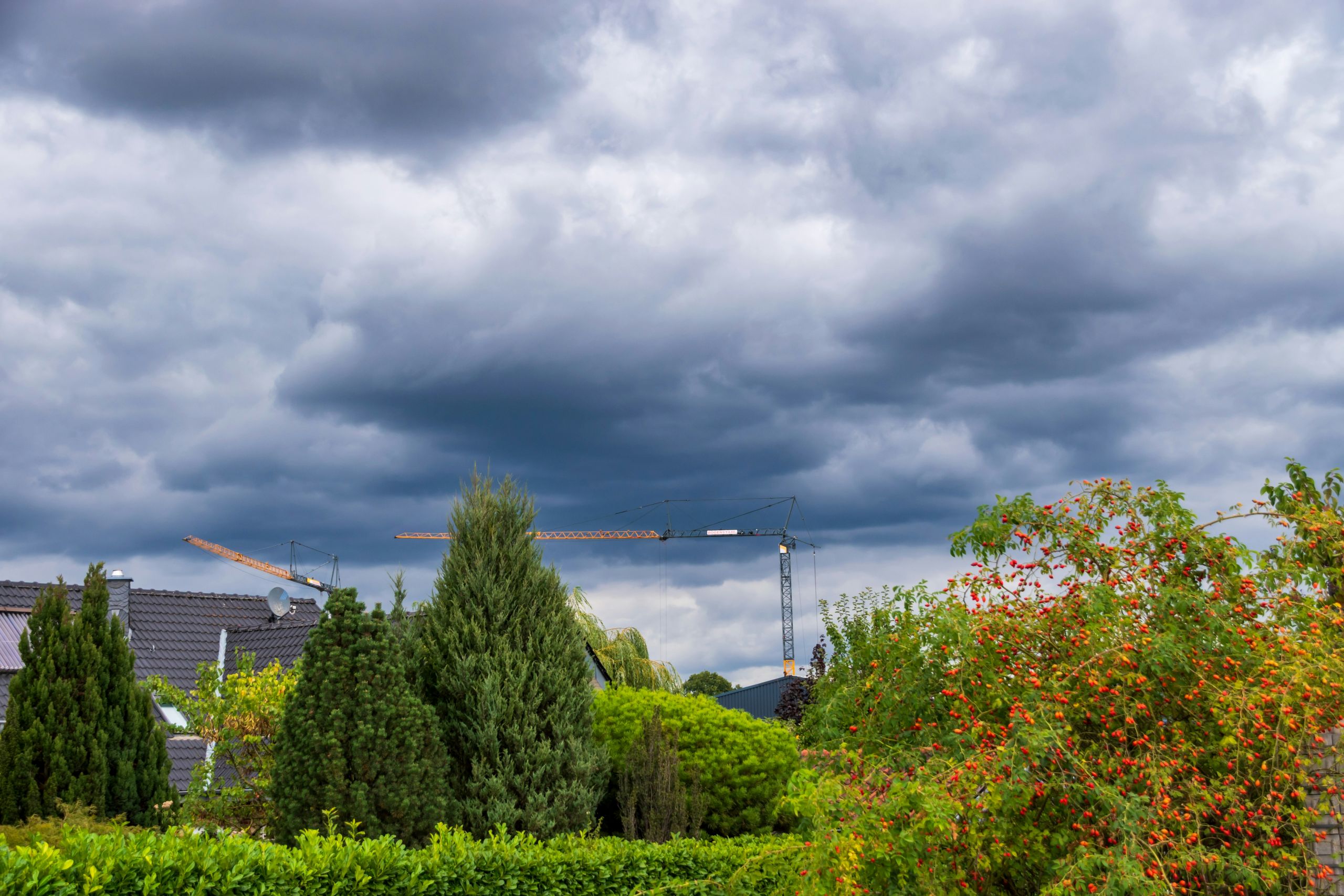

Summer storms can bring much-needed rain and relief from extreme heat, but they can also create a new set of problems around your property. Heavy rainfall, strong winds, flooding, and sudden changes in temperature can disturb pests and alter the conditions they depend on. After a major storm, homeowners may notice more insects around their homes, increased activity near doors and windows, or pests appearing in areas where they were rarely seen before.
These changes are not necessarily coincidental. Storms can disrupt established pest habitats while creating new sources of moisture, shelter, and food. For homeowners in Arkansas, Oklahoma, and Missouri, understanding this relationship can make it easier to recognize when increased pest activity requires attention.
Why Storms Disrupt Pest Habitats
Many pests establish nests or hiding places in soil, vegetation, wood, and other protected areas around a property. Heavy rain can flood these locations or physically disturb the pests living inside them.
Ant colonies located in saturated soil may become displaced. Insects hiding beneath leaves or landscaping debris may be forced into more exposed areas. Rodents and other pests may also seek higher, drier ground when water begins accumulating around their usual shelter.
When their normal habitat becomes uncomfortable or unlivable, pests naturally search for alternatives. Unfortunately, your home may provide exactly what they need.
Garages, crawl spaces, sheds, wall voids, and covered patios can all become attractive shelters after severe weather.
Heavy Rain Creates New Breeding Areas
One of the most significant effects of summer storms is the amount of standing water they leave behind. Water can collect in low areas of the lawn, clogged gutters, containers, landscaping features, and other places that do not normally hold moisture.
These areas can become especially problematic when warm temperatures return after the storm. Certain insects can take advantage of the combination of heat and stagnant water to reproduce rapidly.
Mosquitoes are a well-known example. Even small pools of standing water can provide breeding opportunities, and repeated storms can create new sources throughout the property.
This is why inspecting your yard after significant rainfall should be part of your broader pest prevention routine.
Storm Debris Gives Pests New Hiding Places
Strong winds can leave branches, leaves, damaged vegetation, and other debris scattered throughout the yard. While cleaning up may seem like a purely cosmetic task, debris can also influence pest activity.
Piles of organic material create cool, sheltered spaces where insects and other pests can hide. Wet branches and decaying vegetation can also provide food and moisture for certain organisms.
The longer storm debris remains in place, the more opportunity pests have to establish themselves.
Prompt cleanup helps restore airflow, reduce shelter, and make the property easier to monitor.
Flooding Can Push Pests Toward Your Home
Flooding can have an even greater effect on pest behavior. When water enters underground nesting areas, insects may be forced toward the surface in search of dry shelter.
In some situations, this can bring pests much closer to foundations, patios, garages, and other structures.
The same principle applies to rodents and wildlife. Flooded burrows and disturbed outdoor shelter can encourage animals to search for alternative locations.
Homeowners may therefore notice unusual activity immediately following a major storm.
While not every storm will result in a pest problem, a sudden increase in activity is worth taking seriously.
Storms Can Reveal New Entry Points
Severe weather can also expose vulnerabilities in the structure of your home. Strong winds may damage screens, loosen exterior materials, or create gaps around doors and windows. Heavy rain can reveal leaks or drainage problems that were previously difficult to notice.
These openings can become opportunities for pests.
A small gap around a utility line or damaged vent may not seem significant, but insects can take advantage of surprisingly small openings. Water damage can also weaken wood and create conditions that attract certain pests.
Inspecting the exterior after major storms gives homeowners an opportunity to identify and correct these problems before pests discover them.
Why Moisture Problems Matter After a Storm
A storm does not necessarily cause a pest infestation by itself. The bigger issue is often what happens afterward.
If water remains trapped around the foundation, under decks, inside crawl spaces, or near landscaping, moisture-loving pests may find the environment increasingly attractive. Damp wood can also become vulnerable to carpenter ants and other pests.
Poor drainage can make these conditions last even longer.
Addressing drainage issues, repairing leaks, clearing blocked gutters, and allowing damp areas to dry properly can reduce the conditions that encourage pest activity.
Why DIY Pest Control May Not Be Enough
Seeing more pests after a storm often leads homeowners to reach for whatever spray or treatment they already have available. While this may kill some insects, it does not necessarily address why activity increased in the first place.
If a storm displaced a colony, created standing water, or opened a new entry point, treating individual pests will not resolve the underlying condition.
This can lead to a cycle where homeowners repeatedly treat the symptoms while the source remains active.
Professional pest control services can help identify whether the increase is temporary or whether the property has developed conditions that require ongoing treatment.
When to Call a Professional
Not every increase in pest activity after a storm requires immediate professional treatment. However, homeowners should pay closer attention when unusual activity continues for several days or becomes concentrated around the home.
Large numbers of insects, recurring pests indoors, new entry points, damaged wood, standing water, or signs of nesting all deserve investigation.
The sooner a problem is identified, the easier it may be to address before it develops into a larger infestation.
Protect Your Property After Severe Weather
Summer storms are a normal part of life in Arkansas, Oklahoma, and Missouri, but the pest activity they create does not have to become a lasting problem. Cleaning up debris, removing standing water, correcting drainage issues, and checking for structural openings can all help reduce risk.
When unusual activity persists, professional assistance can provide a clearer picture of what is happening around your property.
West Termite provides professional pest control services designed to help homeowners identify and address pest problems caused or intensified by changing environmental conditions. Our team can evaluate your property and recommend solutions based on the specific pests and conditions present.
If you’ve noticed a sudden increase in pest activity after a summer storm, do not wait for the problem to settle in. Contact West Termite today and let our team help you get your property back under control.