 (
( 



Summer heat does more than make your home uncomfortable. It can also change how pests behave, where they search for food and water, and how aggressively they move around your property. As temperatures climb across Arkansas, Oklahoma, and Missouri, homeowners may notice more insects around doors and windows, increased activity in shaded areas, or pests appearing in places they were rarely seen earlier in the year.
These changes are not necessarily random. Pests respond to temperature, moisture, food availability, and shelter, and extreme summer conditions can push them into new areas. Some pests become more active in the heat, while others seek relief from high temperatures by moving into cooler, darker spaces around homes.
Understanding these seasonal behavior changes can help homeowners recognize problems earlier and know when professional pest control is worth considering.
Why Heat Changes Pest Activity
Pests are highly influenced by their surrounding environment. Temperature affects their movement, reproduction, feeding habits, and search for shelter. During moderate weather, many insects can remain active outdoors without needing to venture far.
As summer temperatures become more intense, however, conditions can become stressful. Pests may begin searching for shade, moisture, and reliable food sources. Residential properties can provide all three.
A home may offer cooler areas beneath decks, inside garages, around foundations, beneath landscaping, or near plumbing and irrigation systems. Once pests discover these resources, they may continue returning to the same areas.
This is why summer pest control is not simply about eliminating insects after they appear. Understanding what is attracting them is an important part of preventing recurring activity.
Heat Can Drive Pests Toward Water
One of the biggest effects of summer heat is increased competition for moisture. Just like other living organisms, pests need water to survive.
During periods of extreme heat, sources that might normally be sufficient can dry up. Pests may then move toward irrigated lawns, leaking outdoor faucets, condensation around air-conditioning equipment, pet water bowls, and other areas where moisture remains available.
This can bring insects closer to the home.
A lawn that receives frequent irrigation may therefore become more attractive to certain pests during hot weather. Similarly, poorly drained areas can create pockets of moisture that provide shelter and resources when surrounding soil becomes dry.
Managing unnecessary moisture around the property can help reduce these attractions.
Why Some Pests Seek Shelter Indoors
Homeowners sometimes assume that pests only enter a house because they are searching for food. During extreme summer heat, shelter can be just as important.
Garages, crawl spaces, wall voids, attics, and utility areas can provide protection from intense outdoor temperatures. Small gaps around doors, windows, pipes, vents, and utility lines may give insects easy access.
Once inside, pests may find additional resources that encourage them to remain there.
This is particularly frustrating because a homeowner may keep the interior clean and still experience pest activity. The issue may be an exterior entry point rather than poor household sanitation.
Summer Heat Can Increase Reproduction
Warm temperatures can also accelerate the life cycles of many insects. When conditions are favorable, certain pest populations can reproduce more quickly, resulting in larger numbers over a relatively short period.
This is one reason a minor pest issue can become much more noticeable as summer progresses.
An isolated insect seen in June may become a persistent problem by July or August if the surrounding conditions support reproduction. By the time homeowners recognize that activity has increased significantly, the population may already be well established.
Early intervention can prevent these seasonal increases from becoming difficult-to-manage infestations.
Your Landscaping Can Influence Summer Pest Behavior
Landscaping has a significant impact on the microenvironment around your home. Dense shrubs, thick ground cover, mulch, and shaded planting beds can retain moisture and provide protection from direct sunlight.
These areas can become resting and hiding locations for insects during the hottest portions of the day. Overgrown vegetation can also create pathways that allow pests to move closer to exterior walls.
This does not mean homeowners should eliminate landscaping. Instead, maintaining vegetation and keeping plants from becoming excessively dense around the structure can help improve airflow and visibility.
Regular yard maintenance also makes it easier to identify unusual pest activity before it reaches the home.
Storms Can Add Another Layer to Summer Pest Problems
Summer heat is often accompanied by thunderstorms and periods of heavy rainfall. Storms can temporarily change pest behavior by flooding underground nesting areas, disturbing insects, and creating new sources of standing water.
After a major storm, pests may search for shelter in new locations. Damaged vegetation and accumulated debris can also provide additional hiding areas.
Once temperatures rise again, standing water and increased humidity can create favorable conditions for certain insects to reproduce.
This combination of heat and moisture is one reason pest activity can seem particularly intense after periods of summer storms.
Why DIY Pest Control Can Become a Cycle
When homeowners notice increased pest activity, it is understandable to reach for a store-bought spray. Treating visible insects may provide immediate satisfaction, but it does not always address why they are there.
If pests are entering through a gap, returning to a moisture source, or reproducing in landscaping, killing the visible insects does not necessarily solve the underlying issue.
Homeowners may then find themselves spraying repeatedly as new pests appear.
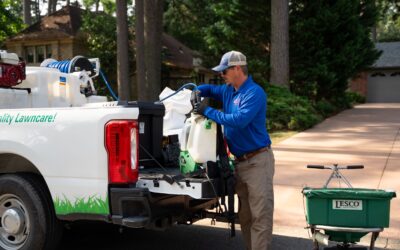
Professional pest control takes a broader approach by looking at the property and the conditions contributing to activity. Identifying entry points, moisture sources, harborage areas, and patterns of pest behavior can lead to a more effective long-term strategy.
Know When Summer Pest Activity Has Become a Problem
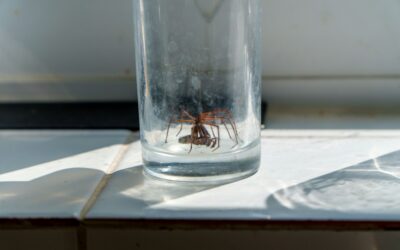
Seeing an occasional insect outdoors is normal, particularly during the summer. The concern begins when activity becomes persistent, concentrated around the home, or noticeably different from what you normally see.
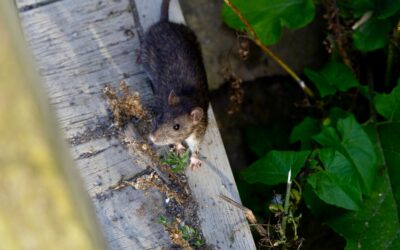
Repeated insects around windows and doors, unusual activity in garages, damaged materials, droppings, or pests appearing indoors can all justify a closer look.
Homeowners should not wait until the problem becomes overwhelming before seeking professional assistance. Early attention can make it easier to identify the source and prevent a small seasonal issue from becoming a larger infestation.
Stay Ahead of Summer Pest Activity
Summer heat can change where pests live, how often they reproduce, and how aggressively they search for food, water, and shelter. Your home can become particularly attractive when outdoor conditions become extreme, especially if moisture and accessible entry points are present.
Simple maintenance can help reduce risk, but persistent activity may require professional attention.
West Termite provides pest control services for homeowners throughout Arkansas, Oklahoma, and Missouri. Our team can evaluate your property, identify conditions contributing to pest activity, and recommend a treatment approach based on the specific problems affecting your home.
If summer pests seem to be appearing faster than you can manage them, do not spend the season chasing them from room to room. Contact West Termite today and let our team help you get ahead of the problem.