 (
( 


For many Arkansans, older homes hold a special charm. They come with character, history, and craftsmanship that newer builds often lack. Unfortunately, these same features can make older properties a magnet for termite damage.
Whether you live in a century-old farmhouse or a mid-century bungalow, understanding why older homes attract termites is essential to protecting your investment.
The Hidden Weaknesses in Older Homes
Older homes often contain more wood than modern constructions, which rely on metal, concrete, and engineered materials. Termites feed on cellulose, a natural component found in wood and other organic materials. This means that structures with wooden framing, floors, and siding are particularly vulnerable to termite infestation.
In addition, decades of exposure to moisture, weather, and natural wear can make wood softer and more appealing to termites. Cracks in the foundation, gaps in crawl spaces, and worn seals around windows and doors create easy entry points for colonies searching for food and shelter.
Without modern building barriers and insulation standards, older homes often provide the perfect environment for termites to thrive unnoticed.
Aging Materials and Moisture Problems
Moisture is one of the biggest risk factors for termite damage, and older homes are more likely to have plumbing leaks, roof issues, or poor drainage that attract termites.
Termites need moisture to survive. Damp wood or humid crawl spaces allow colonies to stay hydrated while they feed. Over time, this combination of moisture and wood creates a breeding ground for serious infestations.
Regularly checking for leaks, replacing damaged gutters, and improving ventilation are crucial steps in protecting older homes from these pests.
Outdated Construction Practices
Modern homes benefit from construction practices that incorporate termite-resistant materials and preventative treatments. Builders today often apply pre-construction soil treatments or install barriers to stop termites before they reach the structure.
Older homes were rarely built with termite prevention in mind. They often lack physical or chemical barriers beneath the foundation, making it easy for subterranean termites to move in. Many older houses also have direct soil-to-wood contact in areas like porches or support posts, providing a clear path for termites to enter and feed undetected.
Signs of Termite Damage in Older Structures
Homeowners should know what to look for when assessing the condition of an older property. Warning signs of a termite infestation include:
- Hollow or blistering wood surfaces
- Mud tubes running along the foundation
- Small piles of discarded wings near windows or doors
- Paint that appears bubbled or uneven
- Doors and windows that suddenly stick or warp
If you notice any of these signs, scheduling a termite inspection should be your next step. Early detection can make the difference between a minor issue and extensive structural damage.
Why Routine Termite Inspections Are Crucial
Even if your older home appears to be in good shape, hidden damage can occur deep within walls or beneath flooring. Professional termite inspectors use specialized tools to detect early warning signs that are invisible to the untrained eye.
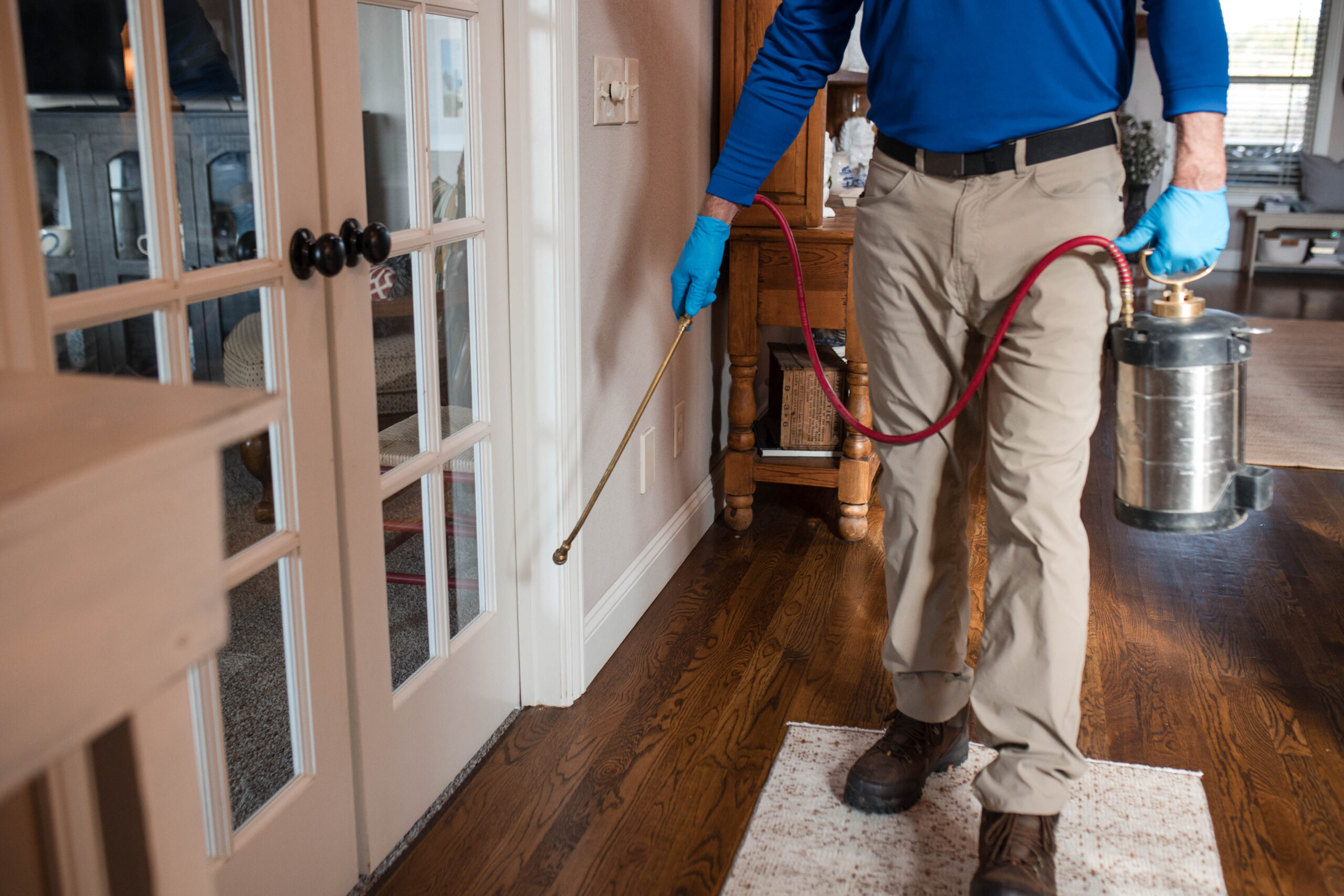
At West Termite, our experts conduct detailed inspections designed to uncover activity before it becomes a major problem. We evaluate your home’s risk factors, check for moisture accumulation, and recommend customized termite control solutions to keep your home protected year-round.
Modern Termite Prevention for Historic Homes
Just because your home is old doesn’t mean it has to be vulnerable. Modern termite prevention treatments are safe, effective, and compatible with historic structures. Baiting systems and soil treatments can be discreetly installed without altering your home’s appearance.
Preventative maintenance, including sealing cracks and reducing moisture buildup, can also significantly reduce the risk of infestation. Combining these efforts with annual professional inspections provides the best long-term protection.
Protect Your Investment with West Termite
Your older home deserves the same level of care and attention as any modern property. The best way to preserve its character and structure is by staying proactive against termite damage.
At West Termite, we specialize in protecting older homes throughout Arkansas with comprehensive inspection and treatment plans. Our experienced technicians understand the unique vulnerabilities of historic and vintage properties and use proven strategies to keep them termite-free.
Don’t wait until small signs of damage become big problems. Schedule a professional termite inspection with West Termite today and keep your home safe, strong, and standing for generations to come.