
 (
( 

How silverfish can ruin your photos
Photographs are a special way of holding onto priceless memories. Sometimes as photographs age, they become harder to see, and the photo paper might seem as though it is disintegrating. While photographs stored improperly are likely to become fragile over time, you might be surprised to learn that photograph damage is often caused by silverfish–pests you might not even realize are infesting the storage areas of your home. They can eat at the emulsion and paper fibers of a photograph causing significant damage to the photograph itself. They are voracious eaters, and silverfish infestations can often go on undetected in infrequently accessed areas of your home for weeks or even months before you notice that they’ve moved in and begun causing problems. It’s important to pay attention to your storage areas, particularly if you have any dampness in these places, even if only during certain seasons.

How to identify silverfish:
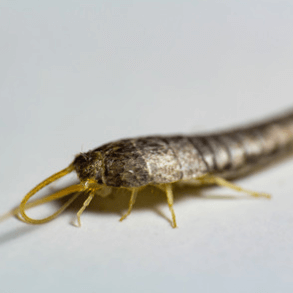
Silverfish, also known as fish moths or carpet sharks, are small insects with flat, slender bodies about half an inch to one inch long. They are usually light gray or pale blue colored with a metallic shine, and they move in a fish-like pattern, with a back and forth, side-to-side movement. Silverfish have two long antennae protruding from their heads, and their bodies do not have obvious segmentation. They move in a fluid motion. Their legs are short but move very rapidly. Their bodies are tapered at the end, and they have a tail of three long bristles at the rear of the abdomen.
Signs of a silverfish infestation:
- Seeing even just one silverfish in your home. If you see one silverfish inside your home, then the odds are quite high that there are several lurking elsewhere nearby. It is important to take preventive measures in a proactive fashion, as soon as you notice any live insect activity inside your home or even your yard, especially with pesky, invasive pests such as silverfish.
- Droppings near their preferred food sources. If you see small black specks near books, stacks of papers or magazines, or near carbohydrate foods such as bread or pasta and/or cardboard boxes in your food pantry, you might be seeing silverfish droppings. Silverfish are attracted to high-carbohydrate foods and paper products as food sources.
- Damage to photographs or other paper items. If you are noticing damage to your stored photographs or other paper items such as documents, cardboard boxes, or books, you might be dealing with a silverfish infestation. These pests love to eat paper and paper products, which causes the damage you might see and attribute to old age.
- Pieces of shed skin from silverfish life cycles. Silverfish shed their skin at different points during their life cycles, and these little gray flecks can pile up and become an obvious sign of a silverfish infestation, especially near infrequently accessed storage areas.
If you have detected any of these signs, then you should act quickly. Contact West Termite, Pest & Lawn today for help.
More posts from West Termite, Pest & Lawn

Protected: Best Pest Control Companies in Arkansas: A 2026 Comparison Guide
Password Protected
To view this protected post, enter the password below:

How Fast Can Termites Damage a Home?
Termites are often described as silent destroyers, and for good reason. Unlike pests that make their presence obvious, termites can feed on wood inside walls, beneath floors, and around structural components without homeowners realizing anything is wrong. This...
Are Small Roaches a Sign of a Bigger Infestation?
Seeing a small cockroach in your home can be easy to dismiss. It may disappear beneath an appliance before you get a close look at it, and you may assume it simply wandered indoors from outside. After all, finding one small bug does not always mean your home has a...