 (
( 

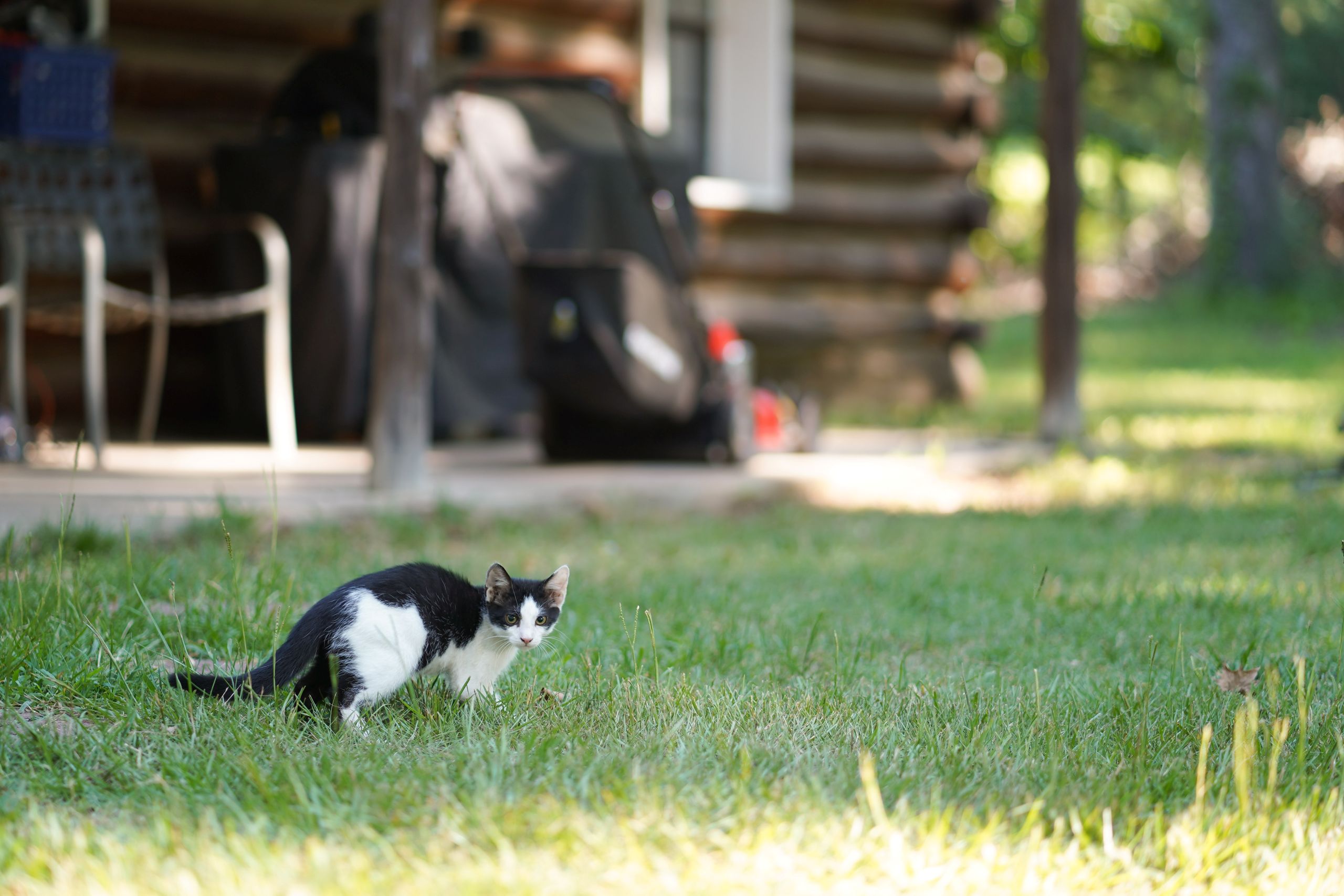

Landscaping plays a major role in how your home looks and feels, but it also has a direct impact on pest activity. While well-maintained yards can enhance curb appeal, certain landscaping choices can unintentionally create the perfect environment for pests. In Arkansas, where moisture, heat, and vegetation all play a role in pest behavior, understanding the connection between landscaping and pest problems is essential for protecting your home.
By making informed decisions about your yard, you can reduce pest risks and support long-term pest prevention.
How Landscaping Attracts Pests
Pests are constantly searching for three basic needs: food, water, and shelter. Many common landscaping features provide all three. Dense vegetation, mulch, standing water, and wood materials create ideal conditions for insects and rodents to thrive.
For example, mulch beds retain moisture and provide insulation, making them attractive to termites and ants. Overgrown shrubs and trees can create shaded, humid environments where pests feel protected. Yard debris, fallen leaves, and wood piles offer shelter and nesting areas for insects and rodents alike.
Even small landscaping details can make a difference. When plants are placed too close to the home, they can act as bridges, allowing pests to move from outdoor environments directly into your house.
Common Landscaping Mistakes That Increase Pest Risk
Many homeowners unknowingly increase pest activity through simple landscaping choices. Some of the most common issues include:
- Placing mulch directly against the foundation
- Allowing shrubs and bushes to grow against exterior walls
- Storing firewood or wood debris near the home
- Overwatering lawns and garden beds
- Allowing leaves and debris to accumulate near the foundation
These conditions create moisture and shelter that attract pests such as termites, ants, and rodents. Over time, this increases the likelihood of infestations moving indoors.
The Impact on Termite Activity
Landscaping has a direct connection to termite prevention. Termites are especially attracted to moist environments and wood materials. When mulch, soil, or wood comes into direct contact with your home’s foundation, it creates an easy entry point.
Excess moisture from irrigation systems, poor drainage, or heavy mulch use can also increase termite risk. Damp soil near the foundation allows subterranean termites to build tunnels more easily and access structural wood.
Reducing moisture and eliminating wood-to-soil contact are two of the most effective ways to support termite prevention.
How to Landscape with Pest Prevention in Mind
The good news is that small adjustments to your landscaping can make a significant difference. Creating a pest-resistant yard does not mean sacrificing appearance. It simply means being strategic with placement and maintenance.
Keep plants, shrubs, and trees trimmed and at a safe distance from your home. This reduces direct access points and improves airflow, making the environment less appealing to pests. Maintain a clear space between your foundation and landscaping materials to prevent moisture buildup.
When using mulch, apply it in thin layers and avoid placing it directly against the home. Consider alternative materials in high-risk areas, especially near the foundation.
Proper drainage is also essential. Ensure that water flows away from your home rather than pooling near the base. This helps reduce moisture levels and discourages pest activity.
Routine Maintenance Makes a Difference
Landscaping is not just about design. Ongoing maintenance plays a critical role in pest control. Regularly removing debris, trimming vegetation, and monitoring moisture levels can significantly reduce pest activity.
Homeowners should also inspect their yards for early signs of pest problems. Ant mounds, termite mud tubes, and increased insect activity near the foundation are all warning signs that should be addressed quickly.
By staying consistent with maintenance, you create an environment that is less inviting to pests and easier to manage.
Why Professional Pest Control Still Matters
Even with proper landscaping, pests can still find ways to enter your home. That is why professional pest control services are an important part of a complete prevention plan.
West Termite provides inspections and treatments that work alongside your landscaping efforts. Our team identifies risk factors, including moisture issues and structural vulnerabilities, and offers solutions tailored to your property.
Combining smart landscaping practices with professional pest control creates a strong defense against infestations and helps protect your home year-round.
Create a Yard That Works for You, Not Against You
Landscaping should enhance your home, not increase pest problems. By understanding how yard design and maintenance impact pest activity, homeowners can make better decisions that support long-term protection.
Simple changes such as improving drainage, managing vegetation, and reducing moisture can go a long way in preventing infestations. When paired with regular inspections and professional support, these steps help create a safer, more comfortable living environment.
Contact West Termite today to schedule an inspection and learn how our pest control services can help protect your home from landscaping-related pest risks.