 (
( 


Heating systems are essential for keeping homes comfortable during the colder months, but they can also unintentionally contribute to indoor pest problems. In Arkansas, winter pests indoors, such as rodents, spiders, and ants, may already be seeking warmth, and heating systems can provide pathways that help them move throughout your home. Understanding how HVAC systems, ductwork, and vents can distribute pests indoors and taking preventive steps is a key part of maintaining a pest-free environment.
How Pests Take Advantage of Heating Systems
Many pests are attracted to warm, dry areas during the winter. Rodents often enter crawl spaces, attics, or basements and then use HVAC ducts and vent openings to access living areas. Small gaps around vents, ducts, or furnace units provide entry points for pests indoors like mice, rats, and even cockroaches. Once inside, these pests can spread quickly, contaminating food, gnawing on wiring, and leaving droppings that present health risks.
Insects can also take advantage of heating systems. Ants, silverfish, and spiders may enter through small openings in ductwork, then travel throughout the home along the warm air currents. This means that even if a pest initially enters in one isolated area, the heating system can carry it into multiple rooms, making infestations harder to detect and control. Seasonal preventive maintenance can minimize this risk and help homeowners maintain a safe, comfortable home environment.
Common HVAC Vulnerabilities
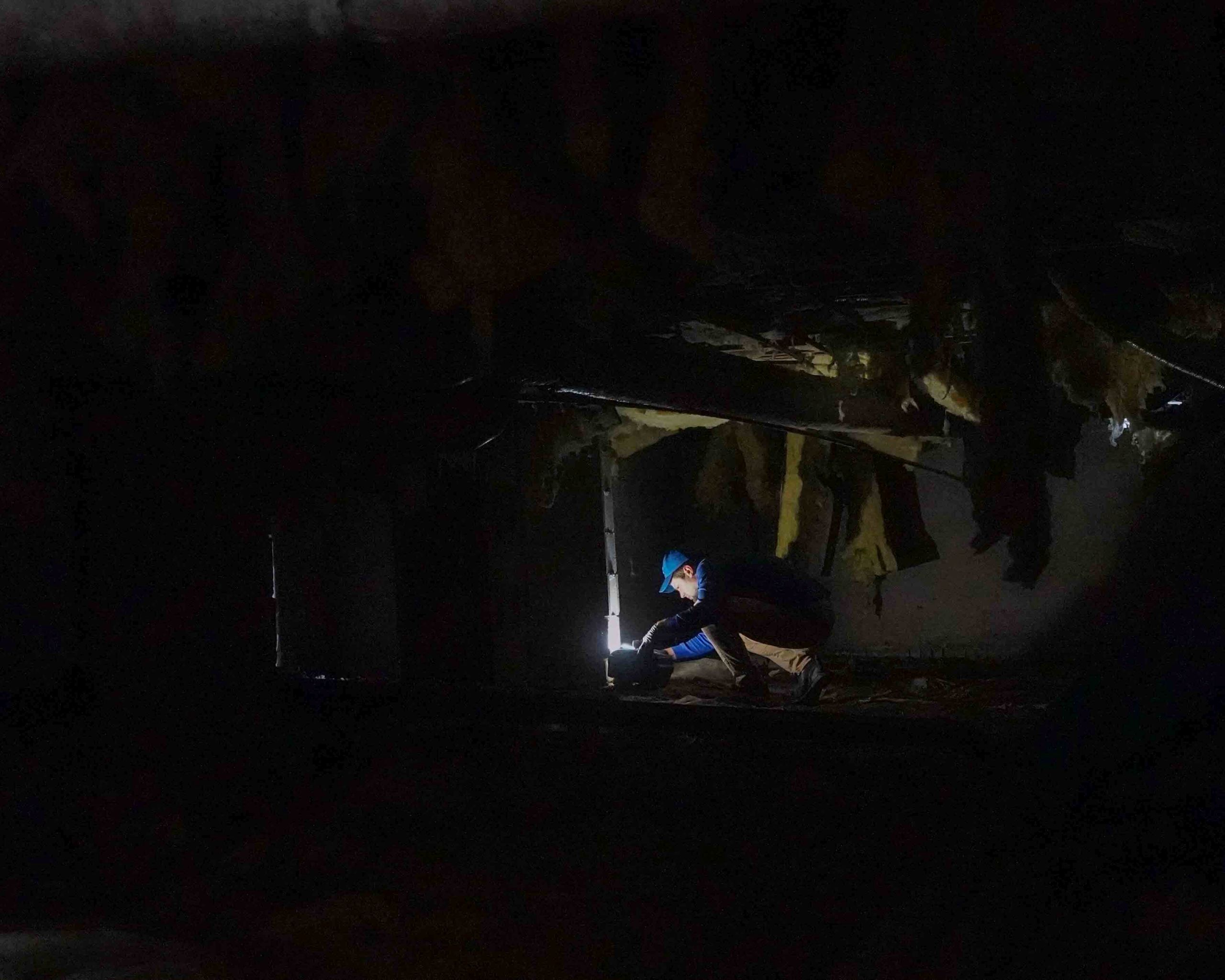
Heating systems are particularly vulnerable to pests in indoor areas such as attics, basements, crawl spaces, and utility rooms. Common entry points include gaps around vent covers, poorly sealed ductwork, open chimneys, and wall penetrations for pipes or wiring. Even small cracks, holes, or poorly fitted panels can serve as access points for rodents and insects. Dust buildup, insulation gaps, and moisture around HVAC equipment can also attract pests indoors and provide them with ideal nesting conditions.
Pests in heating systems are not just a nuisance—they can cause damage to critical components. Rodents may chew wiring or insulation, which can lead to costly repairs or even fire hazards. Insects such as cockroaches can leave droppings and allergens in ducts that affect indoor air quality. Addressing these vulnerabilities is essential for both pest prevention and the efficient operation of your heating system.
Steps to Reduce Pest Risks from Heating Systems
Homeowners can take several practical steps to reduce the risk of pests indoors spreading through their heating systems:
- Inspect ducts and vents regularly: Look for signs of gnawing, droppings, or insect activity. Ensure vent covers fit securely and that duct connections are tight.
- Seal gaps and openings: Use appropriate materials to close gaps around ducts, vents, and access panels. Even small improvements can prevent rodents and insects from entering.
- Maintain HVAC equipment: Replace filters on schedule, check for leaks, and ensure condensate lines are free of debris. Proper maintenance reduces moisture buildup and limits insect attraction.
- Keep surrounding areas clean: Dust, insulation gaps, and clutter around furnaces or ductwork provide ideal hiding spots for pests indoors. Keeping these areas organized and dry reduces infestation risks.
- Schedule professional inspections: HVAC systems can be complex, and a professional can detect vulnerabilities and recommend solutions before pests take advantage.
The Role of Professional Pest Control
Partnering with a trusted pest control provider is an effective way to prevent heating system infestations. Experts like West Termite offer inspections tailored to Arkansas homes, identifying both visible and hidden vulnerabilities. They can provide treatments to reduce pest activity, seal common entry points, and offer guidance for long-term prevention.
Regular professional monitoring ensures that any small pest problem is addressed before it becomes a costly infestation.
Professional pest prevention is particularly important for winter months, when rodents and insects are most likely to seek warmth indoors.
By addressing both the heating system and the surrounding home environment, homeowners can minimize the risk of pests indoors traveling through ducts, contaminating living spaces, or causing structural damage.
Keep Your Home Warm and Pest-Free
Heating systems are crucial for winter comfort, but they can also serve as pathways for unwanted pests indoors. Regular inspections, proper maintenance, and preventive measures can significantly reduce the risk of rodents, insects, and other pests moving through your home. By combining DIY precautions with professional pest control services, homeowners can maintain a safe, clean, and comfortable environment throughout the colder months.
Contact West Termite today to schedule an inspection and learn how our expert pest control solutions can protect your home from winter pests and keep your heating system pest-free.