 (
( 


No one likes the idea of sharing their home with uninvited guests, especially when those guests are ants, roaches, rodents, or termites. The truth is, pests are resourceful. They look for warm, sheltered, and food-rich environments, and your home offers plenty of opportunities for them to move in.
Knowing which parts of your home are most vulnerable is the first step toward effective pest prevention. By paying attention to key areas, you can protect your property, your health, and your peace of mind.
1. Kitchens: The Ultimate Attraction for Pests
Your kitchen is a paradise for pests. Crumbs, spills, and open food containers provide a reliable food source, while warm appliances and moisture from sinks or dishwashers create ideal living conditions.
Ants, cockroaches, and rodents are the most common kitchen invaders. They are drawn to even the smallest traces of food. A few crumbs under the toaster or a leaky faucet can attract them overnight.
Regular cleaning, sealing food in airtight containers, and wiping down counters are simple but effective preventive steps. Pay attention to hard-to-reach spots like behind appliances, under sinks, and along baseboards where pests often hide.
If you notice droppings, chewed packaging, or unusual odors, schedule a professional home pest inspection before the problem worsens.
2. Bathrooms: Moisture Hotspots
Bathrooms are another common problem area because pests love moisture. Silverfish, cockroaches, and even termites thrive in humid conditions.
Leaky pipes, poor ventilation, and standing water provide everything these pests need to survive. You might not notice them right away since they often hide behind tiles, inside cabinets, or around plumbing fixtures.
To keep your bathroom pest-free, repair any leaks promptly, improve airflow with exhaust fans, and clean drains regularly. Wiping down surfaces after showers and fixing caulking gaps also reduce moisture that can attract pests.
Professional pest control experts often find that a small plumbing leak is the hidden cause of recurring infestations in bathrooms. Regular inspections help ensure those problems are caught early.
3. Basements and Crawl Spaces: Dark and Damp Havens
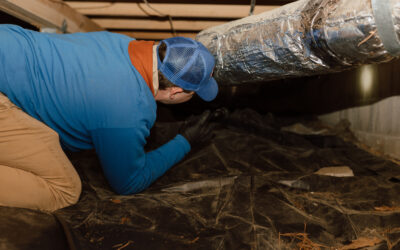
Basements and crawl spaces are the perfect shelter for pests seeking a quiet, dark environment. These areas are especially attractive to termites, spiders, and rodents. High humidity, wood framing, and limited sunlight allow pests to live undisturbed for long periods.
Cracks in your foundation or gaps around pipes make easy entry points. Once inside, pests can spread to other parts of your home without being noticed.
Installing dehumidifiers, sealing entry points, and storing items in sealed plastic containers instead of cardboard can help reduce the risk of infestation.
Homeowners often forget to include these spaces in routine cleaning and pest prevention plans, but they should be inspected at least once a year by a pest control professional.
4. Attics: The Overlooked Entry Point
Your attic might seem too high or isolated for pests, but it’s one of the most vulnerable spots in your home. Rodents, bats, and insects can easily enter through vents, gaps in roofing, or soffit openings. Once inside, they build nests, chew insulation, and contaminate stored belongings.
Because attics are rarely visited, infestations can go unnoticed for months. The first clues are often scratching noises at night, droppings, or insulation damage.
To protect your attic, check for loose shingles, screen vents, and seal cracks or holes. Avoid storing food or organic materials that could attract pests. A professional pest control technician can also install exclusion barriers to prevent reentry.
5. Garages and Entryways: The Gateway for Pests
Garages and entryways serve as the bridge between the outdoors and your living space. They’re frequently opened and closed, allowing pests easy access. Once inside, insects, spiders, and rodents can quickly spread to other rooms.
Garages often contain boxes, wood piles, and clutter that create nesting areas. Entryways, especially those with gaps around doors or worn weatherstripping, provide the ideal entry points.
To minimize risks, keep the area clean, repair damaged seals, and store items off the ground. If you keep pet food or garbage bins in these areas, use sealed containers to reduce attraction.
Protecting Every Corner of Your Home
Understanding where pests are most likely to invade helps you stay one step ahead. Each of these vulnerable areas requires regular cleaning, inspection, and maintenance to reduce the risk of pest infestation.
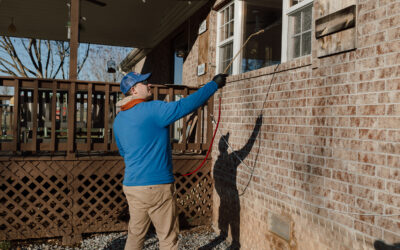
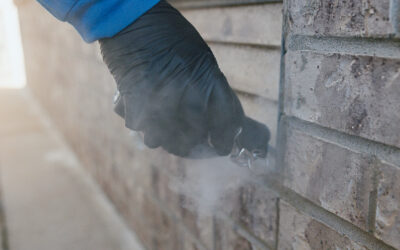
However, even with the best prevention habits, pests can still find their way inside. That’s why consistent professional pest control is key. Routine treatments create a barrier around your home, stopping infestations before they start and protecting your property year-round.
Keep Your Home Protected with West Termite
Your home should be a place of comfort, not a haven for pests. At West Termite, we provide comprehensive pest prevention and treatment services designed to keep every part of your home secure. From kitchens and bathrooms to basements and attics, our experienced technicians know exactly where to look and how to stop pests from returning.
With decades of experience serving homeowners across Arkansas, we combine proven techniques with year-round monitoring to ensure lasting protection.
Don’t wait until pests have already settled in. Contact West Termite today to schedule your home pest inspection and discover how our pest control solutions can keep your home safe and pest-free all year long.