 (
( 



As temperatures rise and daylight hours increase, spring brings new growth, warmer weather, and, unfortunately, a resurgence of spring pest activity. In Arkansas, early spring is a critical time to be proactive because many pests begin emerging from winter hiding spots and seeking food, water, and shelter. Identifying the early signs of spring pest activity allows homeowners to address problems before they escalate, saving time, money, and potential damage to your property.
Why Spring Is a Critical Time for Pest Control
Winter may force pests such as rodents, ants, and spiders to hibernate or remain inactive in hidden areas, but as soon as temperatures climb, these creatures become more active. Moisture from spring rains, budding plants, and thawing soil creates ideal conditions for insects and other pests to thrive. Early spring pest activity control helps prevent infestations from taking hold inside the home and reduces the likelihood of damage to structural elements, landscaping, and stored items.
Rodents, for example, may have survived the winter in crawl spaces, attics, or basements and will start exploring for new food sources as temperatures rise. Ants begin expanding their colonies, and termites can resume feeding if wood moisture levels increase. Recognizing these early warning signs can make a significant difference in how easily a home can remain pest-free throughout the season.
Common Early Spring Pest Activity Signs
Homeowners should be vigilant for visible signs of pest activity. Early detection allows for more efficient intervention. Some key indicators include:
- Rodent activity: Droppings, gnaw marks on wood or wiring, and scratched sounds in walls or ceilings are often the first signs of rodent infestation.
- Insect sightings: An increase in ants, spiders, or flies inside the home can signal that spring pest activity is becoming active outdoors and may soon move inside.
- Termite presence: Mud tubes along foundation walls, damaged wood, and discarded wings from swarming termites are early indicators of termite activity.
- Unusual odors: Musty, ammonia-like, or oily smells may indicate rodent or insect presence.
- Plant damage: Chewed leaves, bore holes, or dying shrubs and garden plants may reveal that spring pests are beginning to feed and reproduce nearby.
Even small signs should not be ignored, as early intervention is much easier and more effective than treating a full-blown infestation later in the season.
How to Respond to Early Pest Activity
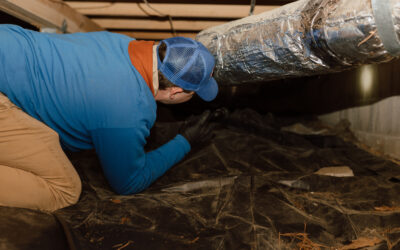
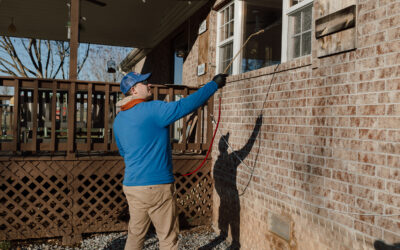
Proactive measures can significantly reduce spring pest activity problems. Start with a thorough inspection of both the interior and exterior areas of the home. Check attics, basements, crawl spaces, kitchens, and storage areas for rodent droppings, damaged food packaging, or insect activity. Outside, inspect foundations, window sills, door frames, gutters, and landscaping for signs of pests or moisture that could attract them.
Homeowners can also take preventative steps to make their homes less appealing to pests. Seal cracks and gaps in the foundation and walls, repair leaky pipes, and remove standing water near the property. Keeping firewood, mulch, and debris away from the foundation limits shelter opportunities for rodents and insects. Maintaining clean, dry conditions in both indoor and outdoor areas reduces the likelihood of pests establishing themselves during the spring months.
Professional Pest Control for Early Detection
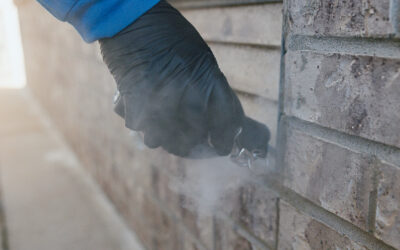
While homeowners can take many proactive steps, working with a professional pest control provider like West Termite ensures comprehensive protection. Experts can identify subtle early signs of pest activity that may go unnoticed, recommend targeted treatments, and implement preventive measures specific to Arkansas homes. Professional inspections help address hidden infestations in attics, crawl spaces, and exterior areas before they grow into more serious problems.
Early spring inspections and treatments are particularly important for termite prevention. Termites can begin feeding on wooden structures as soon as moisture levels rise, often without any obvious signs of activity. Professional pest control helps safeguard your home and ensures that your property remains structurally sound throughout the year.
Keep Your Home Spring-Ready
Spring is a time of renewal, but it’s also a time when pests become active after months of dormancy. By recognizing early signs of spring pest activity and taking proactive steps, homeowners can maintain a clean, safe, and comfortable living environment. Regular monitoring, proper maintenance, and partnering with a trusted pest control provider help prevent small problems from turning into costly infestations.
Contact West Termite today to schedule an early spring inspection and learn how our expert pest control services can protect your home from pests as the season begins.