 (
( 

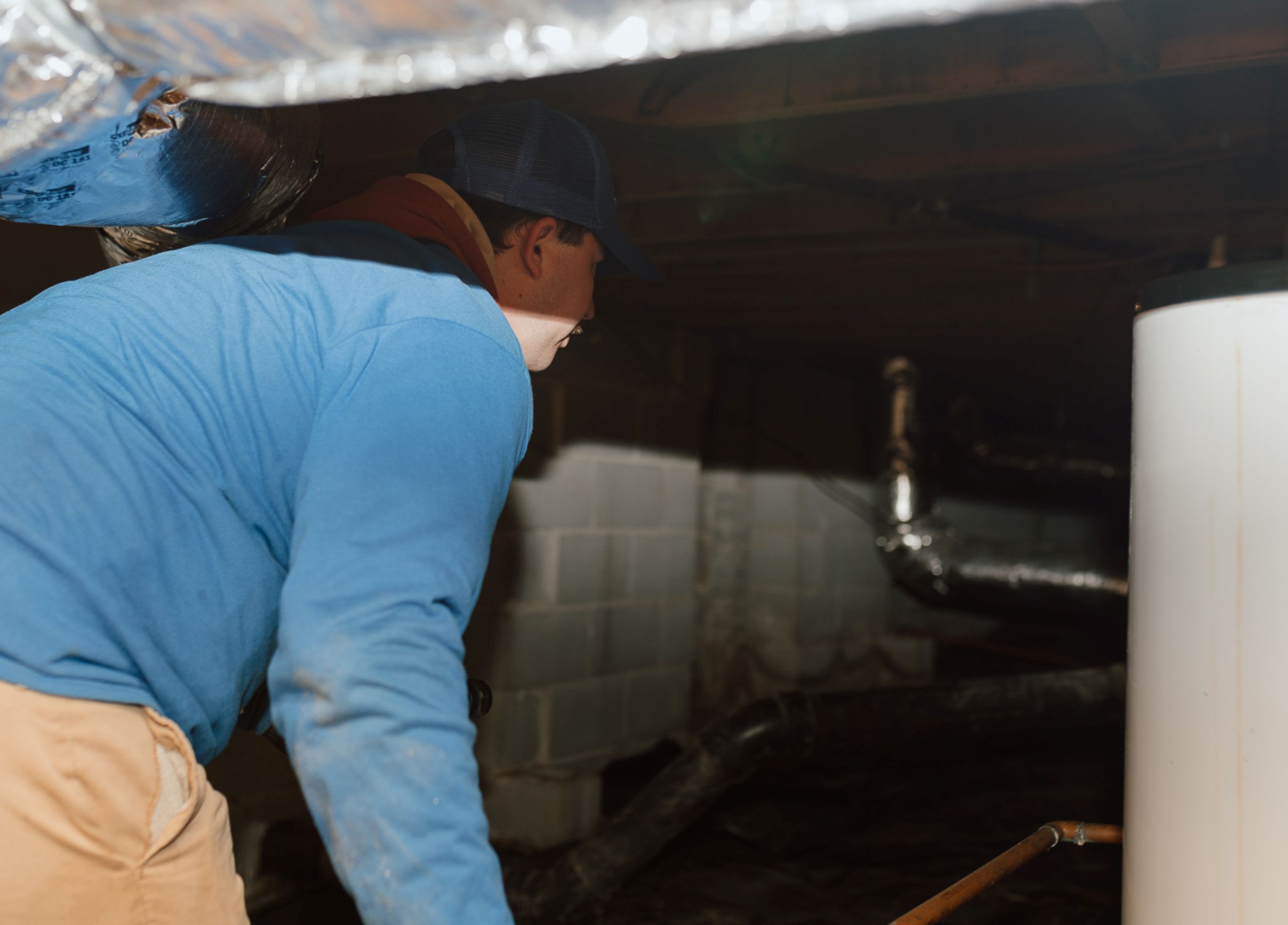

Crawl spaces are often overlooked areas of a home, yet they are some of the most vulnerable spaces when it comes to winter pests. In Arkansas, cold weather drives rodents, insects, and other pests to seek warmth and shelter, and crawl spaces provide the perfect environment for them to settle. Understanding why these areas are at risk and how to protect them is an essential part of year-round pest control.
Why Crawl Spaces Attract Pests
Crawl spaces naturally provide the conditions many winter pests seek: warmth, moisture, and darkness. During winter, heating systems in homes often make these areas slightly warmer than the outdoors, drawing in rodents and insects.
Moisture from leaking pipes, condensation, or poor drainage adds another layer of attraction, creating an environment ideal for pests like spiders, ants, termites, and rodents. Unsealed vents, cracks in the foundation, deteriorating insulation, and clutter only increase the risk by offering easy access and hiding spots.
Rodents such as mice and rats are particularly common in crawl spaces during colder months. They are excellent climbers and can squeeze through openings as small as a quarter, using crawl spaces as entry points to the rest of the home. Insects, including ants, silverfish, and centipedes, are also drawn to these areas, especially when moisture levels are high and food debris is present.
A small infestation in a crawl space can quickly grow if left unchecked, spreading into living areas and creating larger problems for homeowners.
Key Risks Associated with Crawl Space Infestations
Pests in crawl spaces can create a wide range of problems for homeowners. Rodents chew on wiring, insulation, and pipes, which can lead to electrical issues, leaks, and structural damage.
Insects such as termites or carpenter ants may go unnoticed until they have caused significant damage to wooden beams or subflooring. Moisture and pest activity also contribute to mold and mildew growth, creating health risks for families and further structural concerns.
Winter pests entering through crawl spaces increase the likelihood of infestations spreading into kitchens, bathrooms, and storage areas. Rodents leave droppings and urine that trigger allergies and respiratory problems.
Insects can contaminate food, damage belongings, and create unsanitary living conditions. Taking steps now to protect crawl spaces is critical to avoiding these costly and disruptive problems.
Protecting Your Crawl Space
Preventing winter pests in crawl spaces requires a combination of inspection, maintenance, and professional intervention. Homeowners can start by sealing gaps, cracks, and unprotected vents around the foundation.
Installing moisture barriers, repairing leaks, and improving ventilation will reduce dampness, making the space less appealing to insects and rodents. Keeping the area free of clutter and debris also limits potential nesting sites and pathways into the home.
Routine inspections of your crawl space are essential. Look for signs of pest activity, such as droppings, gnawed materials, or unusual odors.
Check for standing water, soft wood, or mold growth, all of which indicate vulnerabilities that can attract winter pests. Addressing these issues promptly will reduce risks and improve overall home safety.
Professional pest control services, such as those offered by West Termite, provide comprehensive crawl space inspections and treatments. Experts can identify early signs of winter pests, apply targeted treatments, and recommend structural improvements to prevent future infestations.
Ongoing monitoring ensures that your crawl space remains protected year-round, giving you peace of mind and reducing the risk of costly repairs.
Make Your Home Winter-Ready
Crawl spaces may be out of sight, but they should never be out of mind when it comes to winter pest prevention. Addressing vulnerabilities now, before winter pests take advantage of warmth and shelter, protects your home, your family, and your investment.
With a combination of preventive measures and professional guidance, homeowners can ensure that crawl spaces remain dry, clean, and pest-free.
Taking these steps early allows you to stay ahead of pest problems and avoid damage that may take months to repair. Winter pest prevention in crawl spaces is an investment that pays off in comfort, safety, and reduced repair costs throughout the year.
Contact West Termite today to schedule a crawl space inspection and learn how our pest control solutions can protect your home throughout the winter and into the spring.