 (
( 

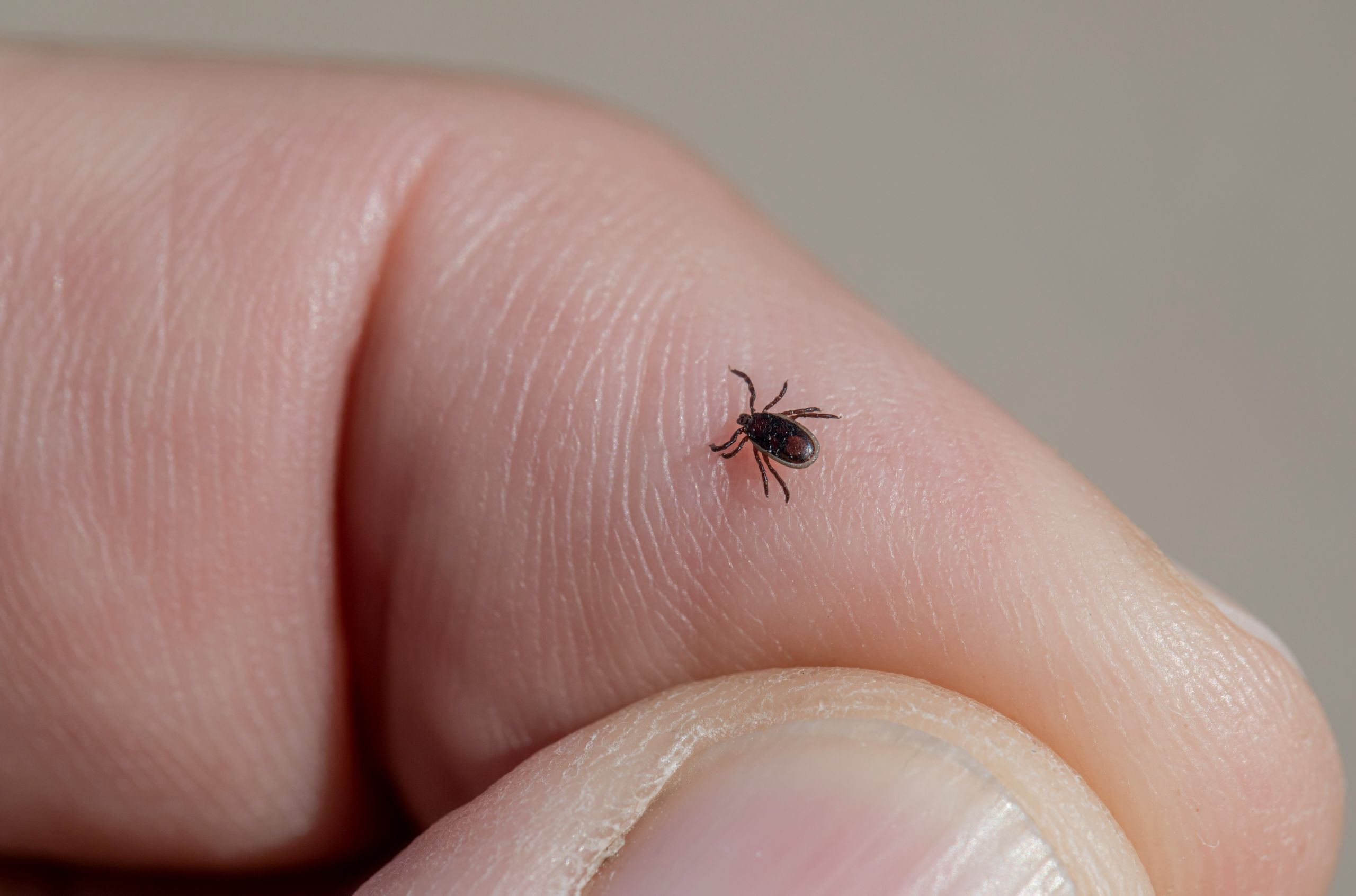

Ticks are small, difficult to spot, and capable of turning an ordinary afternoon in the yard into a potential health concern. During the warmer months, homeowners across Arkansas, Oklahoma, and Missouri often become more aware of tick activity as families and pets spend more time outdoors. Unfortunately, discovering ticks on your property does not always mean you will be able to find where they are coming from.
That is one of the biggest challenges with tick control. Ticks do not behave like pests that announce their presence with obvious nests or colonies. They can remain hidden in vegetation, leaf litter, shaded areas, and other parts of the landscape while waiting for a person or animal to pass by.
Many homeowners try to handle the problem themselves with sprays, lawn products, or changes to their landscaping. While these measures can help reduce some risk, eliminating an established tick population is considerably more complicated. Understanding why can help homeowners make better decisions about protecting their yards, families, and pets.
Ticks Can Be Difficult to Find
One of the first challenges with tick prevention is simply knowing where to look. Ticks are often small enough to go unnoticed, particularly during their earlier life stages. They can remain hidden in areas that homeowners rarely inspect closely.
Tall grass, dense shrubs, leaf litter, brush, and shaded landscaping can all provide favorable environments. Ticks tend to avoid excessive heat and drying conditions, so they are often found in places where moisture and shade offer protection.
This means a homeowner may walk through a yard several times without ever seeing a single tick while still being exposed to them.
Finding no ticks does not necessarily mean there is no tick activity.
Your Yard Can Harbor Ticks Without Looking Unkempt
It is easy to associate ticks with heavily wooded or neglected properties, but that is not always the case. A well-maintained suburban yard can still provide suitable habitat.
Areas around fences, ornamental landscaping, trees, retaining walls, and property borders can offer the shade and moisture ticks prefer. Pets may also move between the lawn and nearby vegetation, unintentionally carrying ticks closer to the home.
Wildlife adds another challenge. Deer, rodents, raccoons, and other animals can transport ticks onto residential properties. This means even homeowners who maintain their lawns carefully may continue to encounter new ticks.
Effective backyard tick treatment has to account for these environmental factors rather than focusing only on the areas where homeowners spend the most time.
Tick Life Cycles Make DIY Control Complicated
Ticks do not all appear at the same time or in the same form. They progress through several life stages, and different stages may occupy different parts of the environment.
Eggs develop into larvae, which later become nymphs and eventually adults. Nymphs are particularly concerning because they are very small and can be difficult to detect before they attach to a person or pet.
Because these stages develop over time, a single treatment may not address every tick present on a property. Some may remain hidden or emerge after an initial application.
This is one reason professional tick control often involves a broader strategy rather than a single attempt to eliminate visible activity.
Wildlife Can Keep Reintroducing Ticks
Even if a homeowner manages to reduce ticks in one part of the yard, wildlife can introduce new ones.
Animals that move through residential properties can carry ticks in from surrounding wooded areas, vacant lots, neighboring yards, and other habitats. A property near natural vegetation may therefore experience continued exposure even after the homeowner has taken steps to improve the landscape.
This constant introduction makes complete elimination particularly difficult for homeowners working without professional treatment.
It also explains why a yard may seem clear for a period of time before tick activity becomes noticeable again.
Why DIY Sprays May Not Solve the Problem
There are numerous products marketed for homeowners who want to manage ticks themselves. Some can kill ticks that come into direct contact with the treatment, but achieving consistent coverage across an entire property can be challenging.
Homeowners may treat open lawn areas while overlooking shaded vegetation, fence lines, leaf litter, property edges, and other locations where ticks are more likely to remain.
Weather creates another challenge. Rain can affect treatments, while continued humidity and vegetation growth can restore favorable conditions.
A homeowner may therefore see some improvement without actually addressing the larger environmental factors supporting tick activity.
Tick Prevention Is About More Than Seeing the Pest
One of the most important things to understand about tick prevention is that you do not need to see ticks regularly for there to be a risk.
A property can contain suitable tick habitat even when no obvious infestation is visible. Pets may bring ticks inside after spending time outdoors, and people can pick them up while walking through grass or vegetation.
This is particularly important for families who spend a lot of time gardening, playing outside, hiking, or allowing pets to roam throughout the yard.
Reducing exposure requires attention to both the property and the conditions that make it attractive to ticks.
Why Tick Control Matters for Families and Pets
Ticks are not simply an outdoor nuisance. They can transmit diseases and other health conditions, making prevention an important part of responsible property management.
Rocky Mountain Spotted Fever is one serious illness associated with tick exposure. Another condition receiving growing attention in the South is Alpha-Gal Syndrome, which can develop after certain tick bites and cause an allergy to mammalian meat.
Lyme disease is also widely discussed when it comes to tick-borne illness, although its prevalence varies considerably by region. Regardless of the specific disease risk in a particular area, avoiding tick bites remains an important precaution.
Pets can also be exposed while spending time in grass, wooded areas, or landscaping.
Professional Treatment Can Reach More of the Property
Professional tick control services provide an advantage because treatment can be based on the conditions found across the property rather than simply where a homeowner happens to notice a tick.
A professional can identify areas that may support tick activity and develop a treatment strategy around high-risk zones. This can include areas near vegetation, property boundaries, shaded spaces, and locations where pets spend time.
Ongoing treatment can also be important because tick activity changes throughout the season and new ticks may be introduced by wildlife.
The goal is not simply to react after someone finds a tick. It is to reduce the conditions and populations that create ongoing exposure.
Give Your Family More Confidence Outdoors
Ticks are difficult to eliminate on your own because they are small, hidden, mobile, and influenced by factors beyond the immediate lawn. Wildlife can reintroduce them, different life stages can persist in the environment, and DIY treatments may leave important areas untreated.
That does not mean homeowners are powerless. Maintaining vegetation, reducing unnecessary leaf litter, monitoring pets, and taking professional prevention seriously can all help reduce exposure.
West Termite provides professional tick control services throughout Arkansas, Oklahoma, and Missouri. Our team can evaluate your property and develop a treatment approach designed to reduce tick activity where your family and pets spend time.
Do not wait until you find a tick on a family member or pet to take the problem seriously. Contact West Termite today to ask about backyard tick treatment and take proactive steps toward a safer outdoor space.