 (
( 

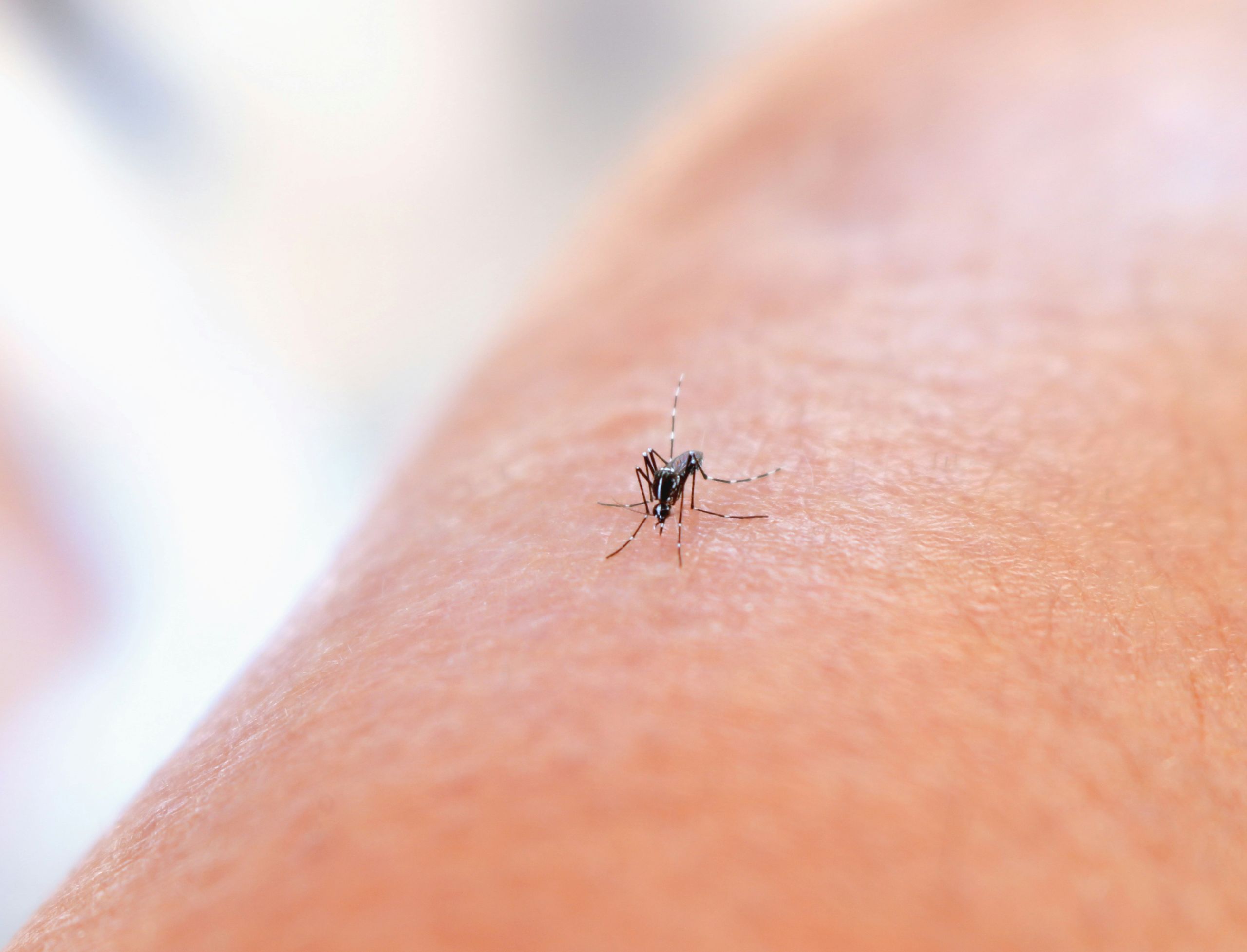

Most homeowners know that mosquitoes need water to reproduce, but that does not necessarily make preventing mosquitos easy. The problem is that many breeding sites are so small or well hidden that they go unnoticed during routine yard maintenance. A few days of rain, an overlooked container, or a drainage problem can be enough to create another generation of mosquitoes around your property.
This is why a homeowner can empty the birdbath, mow the grass, and spray the patio but still find themselves dealing with persistent mosquito activity. The source may be somewhere they never thought to check.
Understanding the less obvious mosquito breeding areas around your property can help you identify potential problems sooner and determine when professional mosquito control may be necessary.
Mosquitoes Do Not Need a Pond to Multiply
One of the biggest misconceptions about mosquitoes is that they require large bodies of water. In reality, many species can reproduce in surprisingly small amounts of stagnant water.
A shallow container left outside after a rainstorm may hold enough water for mosquitoes to lay eggs. Once larvae develop, a seemingly insignificant water source can contribute to a much larger mosquito population.
Warm summer temperatures make this process even faster. Water that remains stagnant for several days can become a potential breeding environment, particularly when temperatures and humidity remain high.
This means homeowners should think beyond obvious ponds and pools when looking for mosquito sources.
Clogged Gutters Can Become Breeding Grounds
Gutters are one of the most frequently overlooked mosquito breeding areas around residential properties.
Leaves, twigs, and other debris can accumulate inside gutters and prevent water from draining properly. Even when the rest of the yard appears dry, water trapped in a clogged gutter can remain available to mosquito larvae.
Because gutters are elevated and often difficult to see from the ground, homeowners may not realize there is standing water overhead.
Keeping gutters clear helps protect the home from water damage while also eliminating one potential mosquito breeding site. Downspouts should also direct water away from the foundation rather than creating consistently damp areas below.
Flowerpots and Decorative Containers Can Hold Enough Water
Outdoor containers are another easy-to-miss source of mosquito activity. Flowerpot saucers, watering cans, buckets, decorative planters, and similar objects can collect rainwater without drawing much attention.
A container does not need to be large to become a problem. Even a small amount of stagnant water can support mosquito development when temperatures are favorable.
Homeowners who regularly water gardens should also pay attention to where excess water collects. Overwatering can leave planting beds damp for extended periods and contribute to a more favorable mosquito environment.
Checking containers after rainfall and emptying water that has accumulated can reduce some potential breeding areas.
Low Spots in the Lawn Can Trap Water
A lawn can look relatively healthy while still containing areas that hold water longer than they should. Low spots, compacted soil, and uneven drainage can create shallow pools after rainfall or irrigation.
These areas are easy to overlook because the water may disappear before homeowners have a chance to notice it. However, if water remains long enough for mosquito development, it can contribute to ongoing activity.
Persistent water accumulation may also indicate a broader drainage problem that deserves attention. Correcting the underlying issue can benefit both lawn health and mosquito prevention.
Landscaping Can Hide Mosquitos
Dense vegetation provides mosquitoes with shelter from heat, wind, and direct sunlight. Shrubs, ground cover, tall grass, and heavily planted areas can create cool, humid environments where adult mosquitoes rest during the day.
This is important because mosquito activity is not limited to areas where breeding occurs. Even if mosquitoes are reproducing somewhere else, they may spend much of their time resting in shaded landscaping around your home.
Keeping vegetation maintained and improving airflow around heavily planted areas can reduce some of the shelter mosquitoes use.
However, landscaping alone cannot eliminate an established mosquito population.
Drainage Problems Around the Property Matter
Water can collect in places homeowners rarely consider, including around patios, retaining walls, foundation areas, and poorly graded sections of the yard.
If water repeatedly collects in the same location after rain, that area deserves attention. Even when the puddle eventually disappears, repeated cycles of standing water can provide recurring opportunities for mosquito reproduction.
Poor drainage can also create other pest concerns by increasing moisture around the property. Addressing these conditions can therefore support a broader pest prevention strategy.
Why DIY Mosquito Prevention May Not Be Enough
Homeowners can eliminate many obvious water sources themselves, but persistent mosquito problems often involve factors that are more difficult to identify.
Store-bought sprays may kill adult mosquitoes temporarily, but they do not necessarily eliminate breeding sites. New mosquitoes can continue emerging while untreated areas remain active.
Weather also makes mosquito control challenging. Rain can create new breeding sites shortly after treatment, while heat and humidity can contribute to rapid population growth.
If mosquitoes remain a problem despite your efforts, it may be time to move beyond temporary solutions.
Recurring Treatment Can Provide More Consistent Control
Mosquito populations change throughout the summer. New generations emerge, weather conditions shift, and mosquitoes may move onto your property from surrounding areas.
For this reason, recurring treatment can be more effective than relying on a single application. Professional mosquito control can focus on areas where mosquitoes rest and breed while providing continued management as the season progresses.
This is especially valuable for homeowners who want to regularly use their patios, lawns, pools, or other outdoor spaces without constantly dealing with mosquito activity.
Find the Sources You Cannot See
The most frustrating mosquito problems are often the ones homeowners cannot explain. If there is no obvious pond or large source of standing water, it can be easy to assume there is nothing you can do.
In reality, the breeding site may be a clogged gutter, flowerpot, low lawn area, drainage problem, or another small source hidden around the property.
West Termite provides professional backyard mosquito control and pest prevention services throughout Arkansas, Oklahoma, and Missouri. Our team can help identify conditions contributing to mosquito activity and develop a treatment plan designed around your property.
If mosquitoes continue to take over your yard despite your best efforts, contact West Termite today. Let our team help you identify the problem areas and make your outdoor space more enjoyable this summer.