 (
( 



Late summer can be one of the most frustrating times of year for homeowners dealing with outdoor pests. After months of warm weather, growing vegetation, and increased activity from people and pets, flea and tick populations can become much more noticeable around residential properties.
Many homeowners assume that flea and tick concerns should begin fading as summer starts winding down. In reality, late summer can still provide many of the conditions these pests need to remain active. Warm temperatures, humidity, wildlife activity, pets spending time outdoors, and dense vegetation can all contribute to continued flea and tick problems.
For families across Arkansas, Oklahoma, and Missouri, this can be particularly frustrating. You may have spent the entire summer enjoying your yard without noticing a major problem, only to find fleas bothering your pets or ticks becoming a concern as summer approaches its final months.
Understanding why fleas and ticks can peak during late summer is an important part of protecting your family, pets, and outdoor space.
Warm Weather Keeps Fleas and Ticks Active
Fleas and ticks are strongly influenced by environmental conditions. Warm temperatures generally support their activity and development, which means a long, hot summer can provide plenty of opportunities for populations to grow.
By late summer, these pests have also had months to reproduce and establish themselves.
A small amount of activity earlier in the season may become more noticeable over time. Pets may repeatedly encounter fleas while spending time outdoors, while ticks can remain hidden in vegetation and wait for an animal or person to pass nearby.
This gradual increase is one reason homeowners may feel like flea and tick problems suddenly appear out of nowhere. The population may have been developing throughout the summer before reaching a point where the activity becomes difficult to ignore.
The two pests do not follow exactly the same calendar. The Merck Veterinary Manual ties the peak of flea populations to late summer, and fleas complete their life cycle in three to eight weeks under most conditions. Ticks work differently. Missouri Extension reports that overall tick numbers peak around June and July, while lone star tick larvae stay active from late summer through early fall. Late summer is peak season for fleas. For ticks, it is when a different life stage takes over.
Which Ticks Are Active in Late Summer?
Several ticks live in Arkansas, Oklahoma, and Missouri, and they follow different calendars. Oklahoma State University Extension lists the lone star tick as active from early spring to late fall, so it is present through the whole late summer window. The American dog tick is mostly a spring and early summer tick. The blacklegged tick becomes more active as fall approaches, with peak activity in late September and October.
Ticks matter for health as well as comfort. The Arkansas Department of Health lists Rocky Mountain spotted fever as the most common tick-borne disease in the state, with most cases between June and August. Lone star ticks can transmit ehrlichiosis and Heartland virus, and blacklegged ticks can transmit Lyme disease and anaplasmosis. Check yourself and your pets after time outdoors, and remove any attached tick promptly.
Humidity Creates Favorable Conditions
Late summer heat is often accompanied by periods of high humidity, especially after rainfall. These conditions can help create favorable environments for fleas and ticks.
Ticks generally benefit from areas that provide shade and protection from drying conditions. Dense vegetation, tall grass, leaf litter, and shaded landscaping can help retain moisture and create places where ticks remain active.
Fleas can also thrive when warm and humid conditions support their development. Areas where pets regularly rest or spend time outdoors can become particularly important to monitor.
A property does not have to look neglected to support fleas and ticks. Even well-maintained lawns can contain favorable areas around trees, landscaping, fences, and other shaded parts of the yard.
Your Pets Can Bring the Problem Closer to Home
Pets play an important role in flea and tick activity around residential properties.
Dogs and outdoor cats can encounter fleas and ticks while walking through grass, spending time near vegetation, or interacting with wildlife environments. Once a flea or tick attaches to a pet, it can potentially be carried much closer to the home.
This is one reason flea and tick prevention should not focus only on what homeowners can see in the lawn.
If pets regularly spend time outside, they may encounter pests in areas that appear perfectly safe. A short walk along a fence line or through shaded vegetation may be enough to expose an animal to ticks.
Fleas can create an additional challenge because activity may begin outside but eventually become a concern indoors. Once fleas are carried into the home, homeowners may find themselves dealing with bites, irritated pets, and ongoing pest activity in areas where animals sleep or rest.
Treating the pet is only part of the job. The University of California IPM Program notes that most of a flea population is made up of eggs, larvae, and pupae in the environment, in places like carpet and bedding. Your veterinarian can recommend a flea and tick preventive suited to your pet, and washing pet bedding and vacuuming where animals rest helps with the rest. For a full checklist, see our guide to protecting pets from fleas and ticks.
Wildlife Can Continue Introducing New Pests
Even when homeowners take steps to improve their yards, wildlife can continue bringing fleas and ticks onto the property.
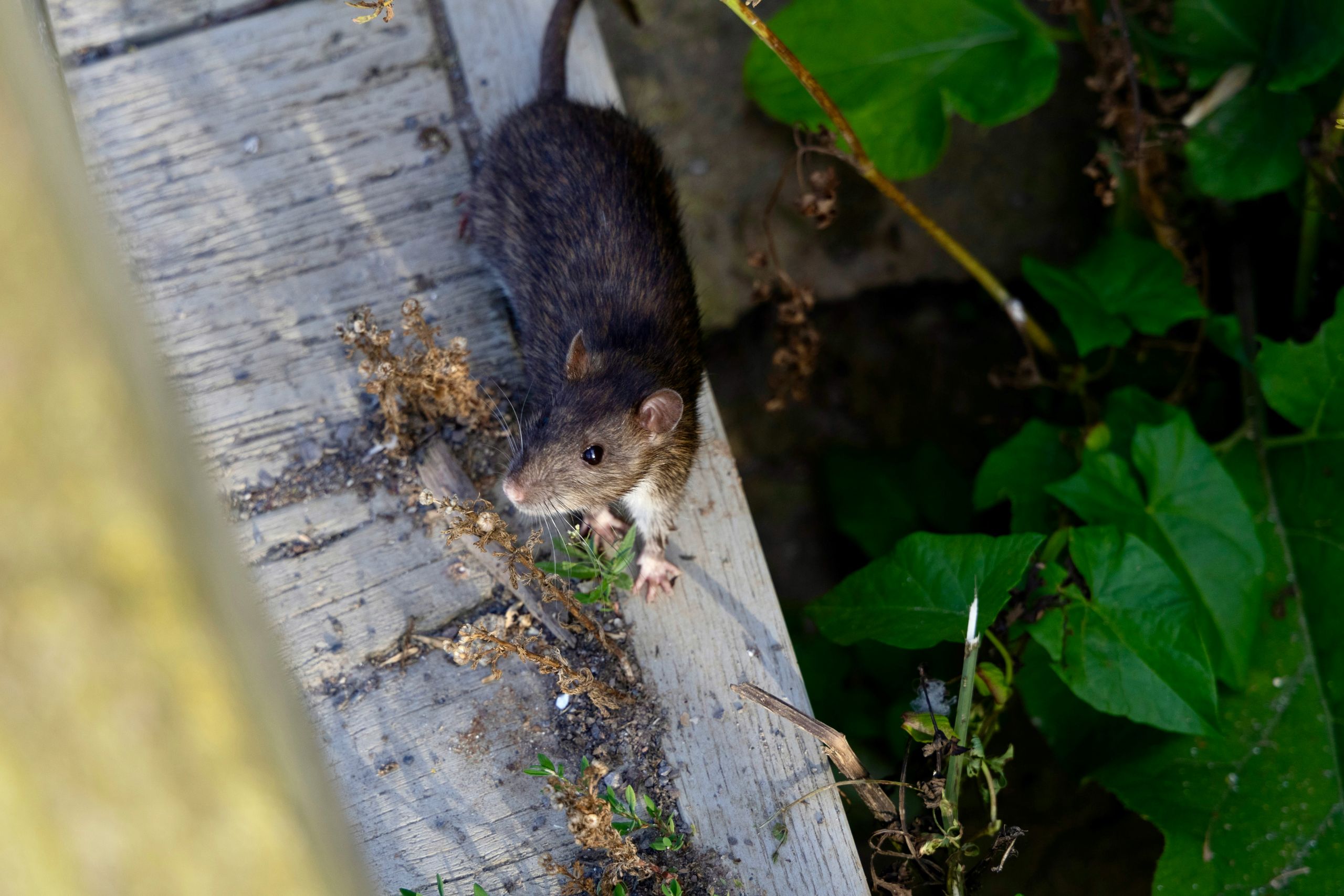
Rodents, deer, raccoons, stray animals, and other wildlife can travel through residential neighborhoods and carry pests with them. This means flea and tick problems can continue even after a homeowner has treated one area of the yard.
Properties near wooded areas, undeveloped land, dense vegetation, or natural wildlife corridors may experience additional exposure.
This is one reason professional flea and tick control often requires a broader view of the property. The goal is not simply to treat the exact location where a homeowner found a tick or where a pet picked up fleas. It is to identify the areas and conditions that may be contributing to ongoing activity.
Tall Grass and Dense Vegetation Create Hidden Risk
Late summer lawns and landscaping can become thicker after months of growth. If mowing, trimming, or general yard maintenance has fallen behind, vegetation may create more opportunities for pests to hide.
Ticks can remain in tall grass and vegetation where they wait for a person or animal to brush past. They do not need to chase their hosts. Instead, they can remain in favorable locations until an opportunity to attach presents itself.
Fleas may also be associated with areas where animals spend time, including shaded spots beneath decks, outdoor pet areas, and locations frequented by wildlife.
Keeping the yard maintained can help reduce some of these favorable conditions. However, lawn maintenance alone may not eliminate an established flea or tick problem. Our post on how overgrown yards create pest havens covers this in more detail.
Why Late Summer Activity Can Be Easy to Miss
One of the most challenging aspects of fleas and ticks is that homeowners may not immediately recognize the problem.
Ticks can be extremely small, particularly during certain stages of development. Fleas may be difficult to spot outdoors and may not become obvious until a pet begins scratching more frequently.
By the time homeowners recognize the issue, the pests may already be established around the property.
Paying attention to changes in your pets can sometimes provide an early warning. Increased scratching, visible pests, or ticks found after time outdoors may indicate that flea and tick activity has increased around the areas your pets frequent.
Why DIY Treatments May Not Provide Lasting Results
Many homeowners begin with store-bought flea and tick products. These treatments may help reduce activity in specific locations, but consistent control can be difficult.
The problem is that fleas and ticks do not always remain in open, easy-to-treat areas. Ticks may hide in vegetation, shaded landscaping, and property edges. Fleas may be associated with animal activity or areas where pets spend time.
Treating only the middle of the lawn can leave many potential hiding areas untouched.
There is also the challenge of ongoing reintroduction. Wildlife and pets can encounter new fleas and ticks even after an initial treatment has reduced the population.
This can create a frustrating cycle where homeowners believe the problem has been resolved, only to encounter new activity weeks later.
Professional Flea and Tick Control Takes a Broader Approach
Effective flea and tick management often involves more than treating the pests you happen to find.
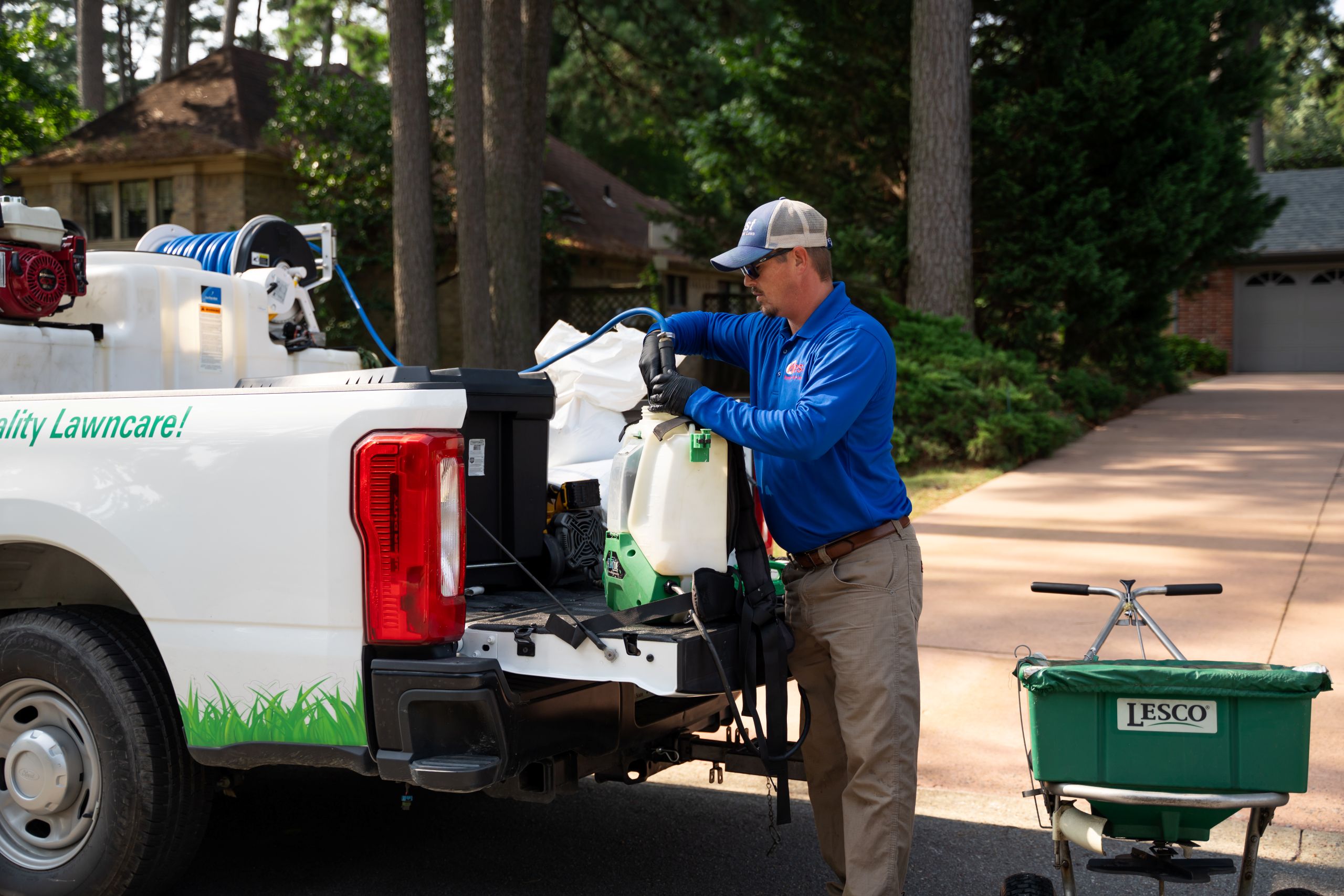
Professional pest control can help identify high-risk areas around the property and develop a treatment strategy based on how the yard is being used. Shaded landscaping, property borders, outdoor pet areas, and dense vegetation may all require attention.
For the yard, West Termite offers lawn flea and tick control. For fleas that have already reached the inside of the home, flea control treats the indoor areas where fleas are active.
Ongoing treatment may also be valuable during periods when flea and tick activity remains high. Rather than waiting until another tick is found or a pet begins showing signs of flea activity, continued service can help homeowners stay ahead of recurring seasonal problems.
This is particularly valuable for families with children and pets who spend significant time outdoors.
When Does Flea and Tick Season End?
There is no single end date. Oklahoma State University Extension lists lone star ticks as active into late fall and blacklegged ticks as active from late September through March or April, and brown dog ticks can live indoors year-round. Fleas also continue indoors. The University of California IPM Program notes that fleas can be found on pets throughout the year and that untreated infested outdoor areas can reinfest pets.
For most homes in Arkansas, Oklahoma, and Missouri, the first cool days are unlikely to end the risk. Keep pets on the preventive your veterinarian recommends, keep checking for ticks after outdoor time, and watch for scratching that does not go away as the weather cools.
Do Not Let Late Summer Catch You Off Guard
Flea and tick activity does not necessarily slow down just because summer is coming to an end. Warm temperatures, humidity, established pest populations, pets, wildlife, and dense vegetation can all contribute to continued problems around your home.
Maintaining the lawn, keeping vegetation under control, and monitoring pets are important parts of prevention. However, persistent activity may require more than a few changes to your yard routine.
West Termite provides professional pest control services for homeowners throughout Arkansas, Oklahoma, and Missouri. Our team can help identify conditions contributing to flea and tick activity and recommend a treatment approach designed around your property.
If fleas and ticks are making your yard less comfortable for your family or pets, do not wait for the problem to get worse. Contact West Termite today to learn more about professional pest control and take steps toward a more comfortable outdoor space.