 (
( 

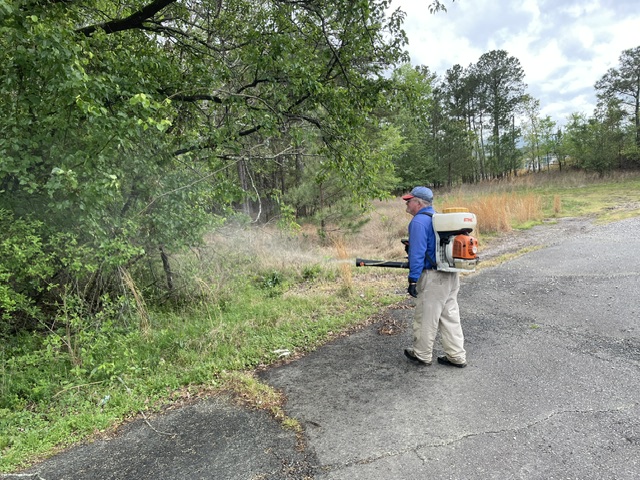

A thick, green yard can look healthy at first glance, especially during the height of summer. But when grass grows too tall, shrubs become overgrown, and vegetation begins crowding the areas around your home, your landscaping can quickly become more than an appearance issue. It can create shelter, moisture, and hiding places for a wide range of pests.
Late summer is an especially important time to pay attention to the condition of your property. Warm temperatures, frequent watering, rainfall, and rapid plant growth can leave lawns and landscaping dense enough to support insects and other unwanted pests. Once these conditions develop, pests can remain hidden for long periods before eventually making their way toward your home.
Understanding how an overgrown yard contributes to pest activity can help homeowners recognize problems earlier and make better decisions about lawn and pest management.
Why Overgrown Areas Attract Pests
Pests are constantly looking for food, moisture, and protection. An overgrown yard can provide all three in one convenient location.
Tall grass gives insects places to hide from predators and extreme temperatures. Dense shrubs create shaded areas where moisture remains trapped. Leaf litter, weeds, fallen branches, and other organic debris can provide additional shelter and food sources.
These conditions can be particularly attractive during periods of intense summer heat. When exposed areas of the property become hot and dry, pests may move into vegetation where temperatures are more moderate.
As populations increase, pests do not necessarily remain in the yard. They may begin exploring the exterior of the home in search of additional resources.
Tall Grass Can Hide More Than You Think
Tall grass does more than make a lawn look untidy. It can make it significantly harder to identify pest activity.
Ants can establish colonies beneath the soil. Grasshoppers can feed on vegetation without being noticed immediately. Ticks can remain in areas where grass and vegetation provide shade and moisture. Other insects can use dense grass as temporary shelter during the hottest parts of the day.
When grass becomes too tall, homeowners may also have difficulty spotting changes in the lawn. Small patches of damage, insect activity, or developing pest problems can become hidden beneath the vegetation.
Regular mowing improves visibility and makes it easier to notice changes before they become widespread.
Weeds Provide Additional Shelter
Weeds are another overlooked contributor to pest-friendly landscaping. A yard with significant weed growth contains more vegetation for insects to feed on and more places for pests to hide.
Certain weeds can also grow rapidly during warm, humid weather. If they are allowed to spread throughout planting beds or lawn areas, they can create dense vegetation close to the home’s foundation.
This does not mean every weed automatically causes a pest infestation. The concern is the overall environment created when weeds combine with tall grass, moisture, and other landscaping issues.
Keeping vegetation under control makes the property less hospitable to pests and makes developing problems easier to identify.
Overgrown Landscaping Can Hide Entry Points
One of the biggest concerns with dense vegetation is that it can conceal the areas where pests enter the home.
Shrubs and vines growing against exterior walls may hide gaps around windows, doors, vents, utility lines, and other openings. Homeowners may not notice these vulnerabilities until pests are already using them.
Dense vegetation can also make it difficult to inspect the foundation. Cracks, moisture accumulation, damaged materials, and signs of insect activity may remain hidden behind plants.
Keeping landscaping trimmed back from the structure improves visibility and gives homeowners a better opportunity to identify potential entry points.
Moisture Makes the Problem Worse
Overgrown vegetation often goes hand in hand with moisture. Thick plants create shade and reduce airflow, allowing water to remain around the soil and plant surfaces for longer periods.
Irrigation can contribute to this issue as well. Sprinklers that regularly soak dense vegetation or spray against exterior walls may create consistently damp conditions.
Moisture can attract a variety of pests and may also contribute to deterioration around the property. Damp wood, decaying vegetation, and saturated soil can create additional opportunities for pest activity.
Managing watering habits and improving airflow around landscaping can help reduce these conditions.
Overgrown Yards Can Encourage Ant Activity
Ants are especially good at taking advantage of favorable outdoor conditions. Moist soil, vegetation, mulch, and protected areas can give colonies opportunities to establish themselves close to homes.
This becomes particularly important when ant activity starts appearing around foundations, patios, walkways, or exterior walls. A colony that establishes itself near the structure has easier access to potential food and water sources indoors.
Fire ants can also become a major concern in lawns. Their mounds can appear throughout an overgrown yard, creating painful hazards for children and pets.
Simply mowing the grass will not eliminate an established colony, but keeping the yard maintained makes mounds easier to identify and allows pest problems to be addressed sooner.
Pests Can Move From the Yard Toward the Home
An overgrown yard does not necessarily mean pests will immediately enter the house. The bigger concern is that it creates a favorable environment close to the structure.
As pest populations increase, some individuals may begin searching for food, water, and shelter elsewhere. The home provides numerous potential resources, including cool indoor spaces, plumbing, food, and protected areas inside walls or garages.
This is why exterior pest management matters. Preventing pests from establishing themselves directly beside the home can reduce the pressure that eventually drives them indoors.
Lawn Care and Pest Control Work Together
Homeowners sometimes think of lawn maintenance and pest control as completely separate responsibilities. In reality, the two can be closely connected.
A healthier, well-maintained lawn is easier to inspect and generally provides fewer hiding places than a neglected property. Proper mowing, watering, trimming, and debris removal can reduce some of the conditions that encourage pest activity.
However, good lawn care is not a substitute for professional pest treatment when an infestation already exists.
If you are seeing persistent insects, unusual lawn damage, ant hills, or other signs of activity, the problem may require a targeted treatment rather than additional mowing or trimming.
When an Overgrown Yard Needs Professional Attention
Not every overgrown lawn requires professional pest control. Sometimes routine maintenance is enough to restore better conditions.
However, homeowners should consider professional assistance when pest activity continues after the yard has been cleaned up or when there are signs of an established infestation.
Watch for recurring insects around the home, multiple ant hills, unexplained lawn damage, pests entering the house, or activity concentrated around landscaping and foundation areas.
These signs suggest that pests may already be established and that simply improving the appearance of the yard may not solve the underlying problem.
Take Back Control of Your Yard
An overgrown yard can become a pest haven when tall grass, dense vegetation, weeds, moisture, and debris provide everything pests need to survive. During late summer, these conditions can become especially noticeable as heat and humidity encourage continued insect activity.
Maintaining your lawn and landscaping is an important first step, but persistent pest problems deserve a closer look. Identifying the source early can prevent outdoor activity from becoming an indoor infestation.
West Termite provides professional pest control and lawn services for homeowners throughout Arkansas, Oklahoma, and Missouri. Our team can help identify pest activity, evaluate conditions around your property, and recommend solutions designed around your specific needs.
If your yard has become overgrown and you’re noticing more pests around your property, don’t let the problem grow with the grass. Contact West Termite today to schedule professional pest control or lawn service and get your outdoor space back under control.