 (
( 



Few pests have the ability to ruin outdoor activities quite like mosquitoes. Whether you are grilling with family, relaxing on the patio, or simply mowing the lawn, mosquito activity can quickly turn an enjoyable summer evening into an uncomfortable experience. For many homeowners across Arkansas, Oklahoma, and Missouri, it often feels like mosquitoes become worse every year.
The reality is that summer creates nearly perfect conditions for mosquito populations to explode. Heat, humidity, standing water, and longer daylight hours all contribute to increased mosquito activity. Understanding why mosquitoes thrive during the summer can help homeowners take steps to reduce their populations and enjoy their outdoor spaces again.
Summer Creates Ideal Breeding Conditions
Mosquitoes depend on water to reproduce. Female mosquitoes lay their eggs in or near standing water, where larvae develop before emerging as adults. During the summer months, higher temperatures accelerate this lifecycle, allowing mosquito populations to grow rapidly.
A mosquito that might take weeks to develop during cooler weather can complete its lifecycle much faster during periods of intense heat. This means new generations of mosquitoes are constantly emerging throughout the season. When warm temperatures are combined with frequent rainfall and high humidity, mosquito breeding activity can increase dramatically. This is one reason why mosquito problems often seem to appear overnight.
Standing Water Is the Biggest Contributor
Many homeowners assume that mosquitoes require ponds or large bodies of water to breed. In reality, even small amounts of standing water can support mosquito development.
A forgotten flower pot, clogged gutter, birdbath, children’s toy, or low spot in the lawn may hold enough water for hundreds of mosquitoes to develop. Because these areas are often overlooked, mosquito populations can continue growing without homeowners realizing where the problem originates.
Properties with drainage issues are especially vulnerable. Water that remains after rainfall creates ideal mosquito breeding areas and can support multiple generations throughout the summer.
The challenge is that many breeding locations are hidden in plain sight. Homeowners may focus on treating adult mosquitoes while the source of the problem remains active nearby.
Why Humidity Makes Mosquito Problems Worse
Humidity plays a major role in mosquito survival. Mosquitos lose moisture easily, and humid conditions help them remain active for longer periods.
The combination of heat and humidity found throughout Arkansas, Oklahoma, and Missouri during the summer months allows mosquitoes to thrive. Areas with dense vegetation, shaded landscaping, and poor airflow often become mosquito hotspots because moisture remains trapped for longer periods.
This is why mosquito activity is often highest in the early morning and evening hours when temperatures are slightly cooler, and humidity remains elevated.
Even properties that appear relatively dry may support mosquito populations if shaded areas consistently retain moisture.
Why DIY Mosquito Treatments Often Fall Short
Many homeowners attempt to manage mosquito problems with store-bought sprays, foggers, and repellents. While these products may provide temporary relief, they rarely address the root cause of the infestation.
Most DIY treatments focus on killing adult mosquitoes that are currently active. Unfortunately, new mosquitoes continue emerging from breeding sites throughout the property. This means populations can rebound quickly after treatment.
Another challenge is that mosquitoes often rest in hidden areas during the day. Shrubs, tall grass, landscaping beds, and shaded corners provide protection from sunlight and allow populations to remain active even after surface treatments.
Without targeting breeding sites and resting areas, long-term control can be difficult to achieve.
Why Mosquito Activity Can Feel Worse Each Year
Many homeowners report that mosquitoes seem more aggressive than they remember in previous summers. In some cases, this perception is accurate.
Mild winters, wet spring conditions, and prolonged periods of summer heat can all contribute to larger mosquito populations. If favorable conditions continue year after year, mosquito pressure may become increasingly noticeable.
Changes to landscaping can also contribute. Dense vegetation, drainage problems, and increased shade around the property can create more mosquito-friendly environments without homeowners realizing it.
When multiple factors combine, mosquito populations can reach levels that make outdoor activities uncomfortable throughout much of the season.
Research also supports the relationship between seasonal temperature patterns and mosquito-borne disease risk. In Canada and the United States, West Nile virus, carried by local mosquito species, has been linked to environmental conditions such as winter and early-year temperatures. Studies have shown that warmer-than-usual minimum temperatures in February can correlate with higher West Nile virus infection rates during the summer months. This suggests that seasonal climate patterns can influence mosquito population dynamics and disease risk later in the year.
Recurring Treatments Provide Better Protection
Because mosquito populations continuously reproduce during the summer, one-time treatments often provide only short-term results. Ongoing mosquito management is typically more effective because it targets new activity as it develops.
Recurring treatments help reduce adult mosquito populations while also addressing areas where mosquitoes breed and rest. This creates more consistent protection throughout the summer and helps prevent populations from rebounding between visits.
For homeowners who spend significant time outdoors, recurring mosquito control can make a noticeable difference in the comfort and usability of their yard.
Many property owners also choose to combine mosquito control with lawn care and pest management services to create a more comprehensive approach to outdoor protection.
Take Your Backyard Back This Summer
Mosquitos are more than just an annoyance. Large populations can make it difficult to enjoy outdoor spaces and create ongoing frustration throughout the summer months. The combination of standing water, humidity, and warm temperatures allows mosquito populations to grow rapidly, making prevention and professional treatment especially important.
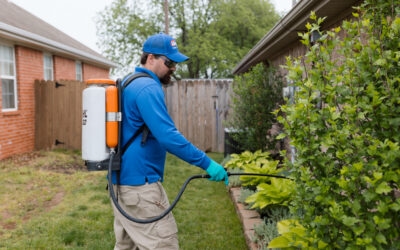
At West Termite, we provide professional summer mosquito control services designed to target breeding areas, reduce mosquito populations, and help homeowners enjoy their yards again. Our customized treatment plans are available throughout Arkansas, Oklahoma, and Missouri and can be combined with lawn care and pest control services for even greater protection.
If you feel like nothing is helping and mosquitoes seem worse than last year, it may be time to call West Termite. Contact our team today and take your backyard back this summer.