 (
( 


As late spring transitions into summer, many homeowners across Arkansas, Oklahoma, and Missouri begin noticing something concerning in their yards. Areas of grass that looked healthy just weeks ago suddenly appear thin, discolored, or completely bare. While it is easy to assume that patchy grass is simply a result of changing weather, the reality is often more complicated.
A patchy lawn is usually a symptom of an underlying problem. Lawn fungus, insect activity, soil conditions, watering habits, and heat stress can all contribute to late spring lawn damage. Identifying the cause early is critical because many lawn issues spread quickly once summer temperatures arrive.
Understanding why your lawn looks patchy in late spring can help you take action before minor damage becomes a much larger and more expensive problem.
Why Patchy Lawns Become More Common in Late Spring
Late spring creates ideal conditions for a variety of lawn problems. Temperatures begin rising, humidity levels increase, and lawns experience rapid growth. While these conditions help grass thrive, they also create opportunities for fungus, insects, and weeds to gain a foothold.
Many homeowners first notice patchy lawn repair becoming necessary during this time of year because damage that started earlier in the season finally becomes visible. Areas of weakened turfgrass begin thinning out, creating uneven sections throughout the yard.
The challenge is that several different issues can create similar symptoms, making proper diagnosis extremely important.
Lawn Fungus Is Often the Culprit
One of the most common causes of late spring lawn damage is lawn fungus. Warm temperatures combined with excess moisture create the perfect environment for fungal diseases to develop.
Common symptoms of lawn fungus include:
- Circular brown patches
- Yellowing grass blades
- Thin or thinning turf
- Irregular dead spots
- Areas that continue expanding over time
Many fungal diseases spread surprisingly fast. Under the right conditions, damage can expand significantly in just a matter of days. This is one reason why professional lawn fungus treatment is often more effective than waiting to see if the problem improves on its own.
Unfortunately, many homeowners mistake fungal damage for drought stress and increase watering, which often makes the problem worse.
Insects Can Create Similar Symptoms
Lawn insects are another major contributor to turfgrass problems. Certain pests feed directly on grass roots while others damage blades and stems.
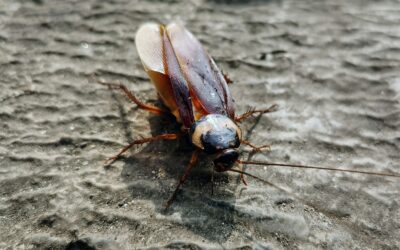
Army worms, chinch bugs, and grubs are particularly destructive during the transition into summer. These pests can create brown patches that closely resemble lawn fungus, making accurate identification essential.
The presence of weakened grass can also attract additional pests. A stressed lawn becomes more vulnerable to insect activity, creating a cycle where lawn damage and pest problems continue feeding into one another.
This is why lawn care and pest control often go hand in hand during the summer months.
Soil Conditions Play a Bigger Role Than Most Homeowners Realize
Many turfgrass problems begin below the surface. Soil compaction, poor drainage, and nutrient deficiencies can all contribute to patchy lawns.
Compacted soil limits root growth and prevents grass from accessing the oxygen, water, and nutrients it needs to remain healthy. Poor drainage creates excessive moisture that encourages fungal growth. Nutrient deficiencies can weaken turfgrass and leave it more susceptible to disease and insect activity.
Even lawns that receive adequate watering and mowing can develop problems when underlying soil conditions are unhealthy. A professional lawn inspection can often identify soil-related issues that may not be obvious from the surface.
Is Your Grass Dead or Dormant?
One of the most common questions homeowners ask during late spring is whether their grass is dead or simply dormant. Dormancy is a natural survival mechanism that allows grass to conserve resources during stressful conditions. Dormant grass often turns brown but remains alive beneath the surface.
Dead grass, however, will not recover without repair or replacement. The difference is not always easy to determine without a professional evaluation. What appears to be dead grass could simply be heat-stressed turf waiting for better conditions. Likewise, what appears to be dormancy may actually be the result of lawn fungus, insect damage, or soil problems. This is another reason why inspections are so valuable before investing in treatments or reseeding efforts.
Why DIY Lawn Treatments Often Miss the Real Problem
Many homeowners turn to DIY lawn products as soon as they notice damage. While this approach seems cost-effective, it often leads to frustration because the underlying cause has not been identified correctly.
Applying fungicides to an insect problem will not solve the issue. Adding fertilizer to diseased turf may actually increase stress. Overwatering damaged grass can accelerate fungal growth and worsen existing conditions.
Professional lawn treatment services focus on diagnosis first. Understanding the root cause allows treatments to target the actual problem instead of guessing.
This approach often saves homeowners time, money, and additional damage during the most stressful months of the year.
Protect Your Lawn Before Summer Damage Spreads
Late spring is often the warning sign before peak summer lawn damage arrives. What starts as a few small patches can quickly spread throughout a yard once temperatures climb and humidity levels increase.
Early intervention is the key to protecting your lawn. Whether the issue involves lawn fungus, insects, soil conditions, or environmental stress, addressing it now can help prevent more extensive turfgrass problems later in the season.
At West Termite, we provide free lawn inspections designed to identify the true cause of lawn damage. Our team can evaluate your turfgrass, diagnose underlying issues, and recommend targeted treatment solutions that help restore lawn health and prevent future problems.
If your lawn is showing signs of thinning, discoloration, or patchy growth, contact West Termite today. Protect your lawn during the toughest months of the year and stop lawn damage before it spreads.