

Many homeowners assume that termites go dormant during the winter months, but in reality, these pests remain active even in cold weather. In Arkansas, winter temperatures may slow their activity, but termites continue to feed and expand colonies in protected, warm, and moist areas. Understanding winter termite behavior is essential to preventing infestations and protecting your home year-round.
Why Termites Stay Active in Winter
Termites thrive in environments that provide consistent warmth and moisture. While outside temperatures drop, the interior of homes, crawl spaces, and heated basements provide an ideal refuge. Subterranean termites, which are common in Arkansas, can tunnel through soil and insulated areas to find wood to consume, maintaining their colonies even during winter. Drywood termites, which infest structural wood directly, continue feeding inside walls and furniture where temperatures are stable.
Moisture is a critical factor in termite activity. Winter rain, melting snow, and indoor humidity create damp conditions that termites find highly attractive. Homes with plumbing leaks, roof leaks, or poor drainage are particularly vulnerable during the winter months. Even a small water source can provide enough moisture to keep termites active, allowing them to continue damaging wood and compromising structural integrity.
Signs of Termite Activity in Winter
Detecting termites during the winter can be more challenging, as they are less visible than in the warmer months. Homeowners should watch for subtle signs, including:
- Small mud tubes along foundation walls or crawl spaces
- Tiny holes or damaged wood in structural beams or furniture
- Frass, a sawdust-like substance produced by drywood termites
- Soft spots or blistering paint on wooden surfaces
Identifying these early warning signs allows homeowners to address infestations before they become extensive and costly.
Preventing Winter Termite Infestations
Even though termites remain active in winter, homeowners can take steps to minimize their risk of infestation. Preventive measures focus on reducing moisture and limiting access to wood:
- Inspect your home for leaks in plumbing, roofs, and appliances
- Maintain proper drainage around your foundation to prevent water accumulation
- Remove or elevate firewood and other wood materials at least 20 feet away from your home
- Seal cracks and crevices along your foundation, siding, and utility entry points
Routine maintenance and vigilance are key to keeping termite activity under control, even when temperatures are low.
Professional Winter Termite Control
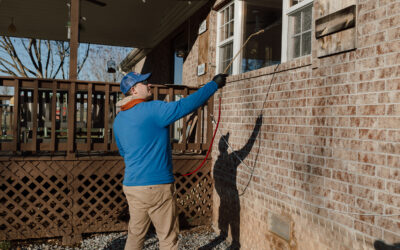
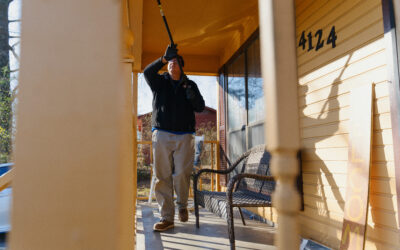
While basic preventive measures help, professional termite control provides comprehensive protection. West Termite offers inspections and targeted treatments specifically designed for winter termite behavior. Our experts can:
- Detect hidden termite activity that is not visible to the untrained eye
- Treat vulnerable areas to prevent colony expansion
- Offer ongoing monitoring and preventive solutions for year-round protection
Winter termite inspections not only protect your home during the colder months but also set the stage for a pest-free spring. By identifying active colonies and potential entry points early, homeowners can address issues before they escalate. Early detection allows for targeted treatments that stop termites from spreading to new areas of the home, reducing the risk of structural damage and costly repairs. In addition, regular winter inspections help maintain the integrity of wooden beams, floors, and furniture, preserving your home’s value and safety.
Beyond physical protection, having a proactive termite management plan provides peace of mind, ensuring that your living environment remains safe, comfortable, and free from the stress of unexpected infestations. Establishing this winter maintenance routine creates a foundation for year-round termite prevention, making it easier to stay ahead of these persistent pests as temperatures rise and termite activity increases in spring.
Why Year-Round Protection Matters
Termites don’t respect the calendar. Waiting until spring to address termite concerns can allow winter colonies to grow unchecked, leading to extensive damage by the time temperatures rise. Implementing winter prevention measures and professional monitoring ensures that your home remains secure regardless of the season.
Protect your home from winter termite activity with expert guidance and treatment. Call West Termite today to schedule a winter termite inspection or learn more about keeping your property safe year-round.