 (
( 

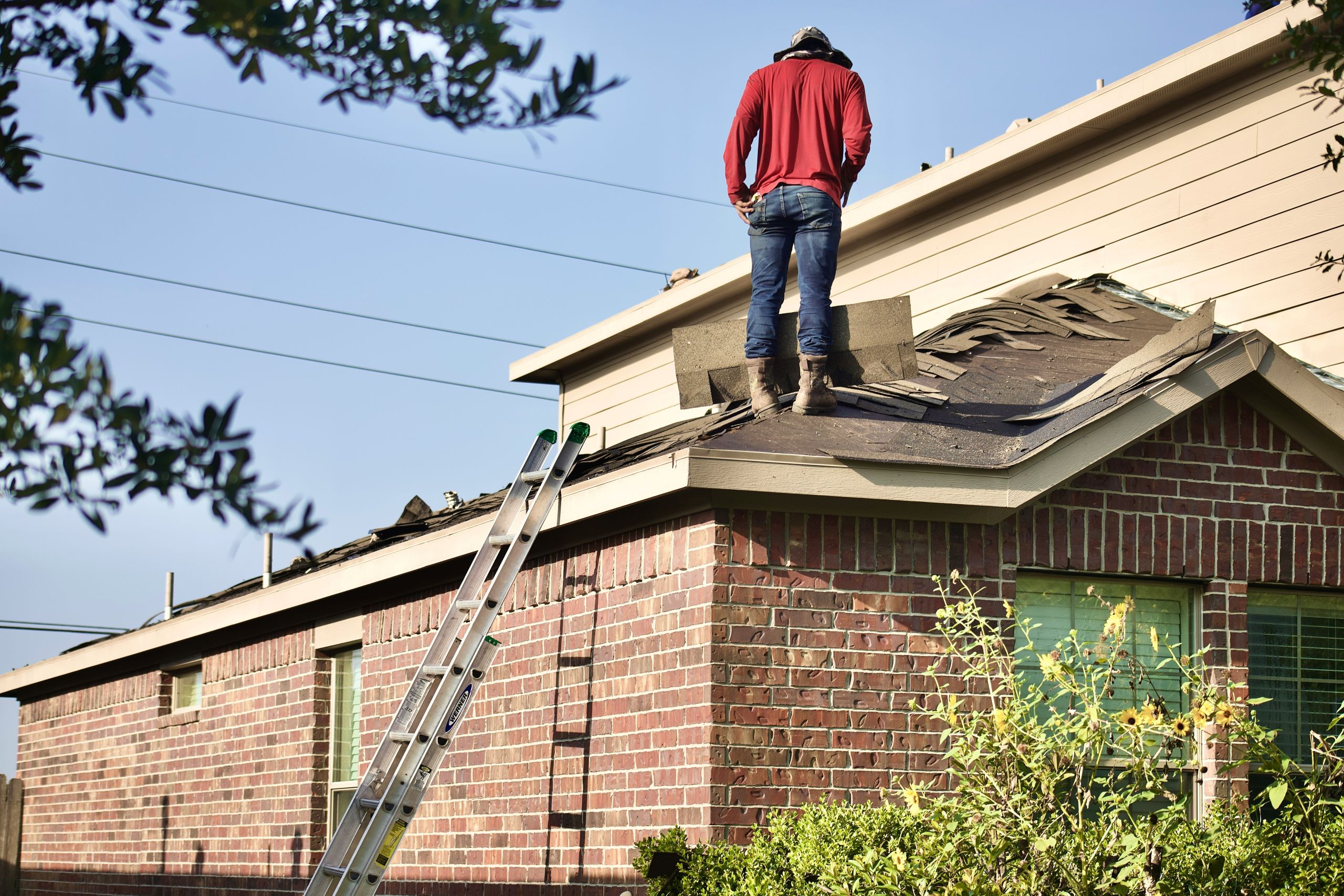

When homeowners think about termite prevention, they often focus on wood structures, foundations, and direct pest control treatments. However, one of the most overlooked factors in termite risk is something much simpler: your gutters and downspouts. Proper water drainage plays a major role in keeping termites away, and when gutters are clogged or downspouts are not functioning correctly, your home becomes much more vulnerable.
Understanding how moisture and drainage impact termite activity can help homeowners take practical steps to protect their property and reduce the risk of costly damage.
The Connection Between Moisture and Termites
Termites, especially subterranean termites, are highly dependent on moisture to survive. They thrive in damp environments and are constantly searching for areas where wood and soil retain water. When moisture accumulates near your home’s foundation, it creates the ideal conditions for termites to build tunnels and begin feeding on structural wood.
Gutters and downspouts are designed to direct rainwater away from your home. When they are working properly, they prevent water from pooling around the foundation. When they fail, water can collect near the base of your home, increasing the likelihood of termite activity.
This is why moisture control is one of the most important aspects of termite prevention.
How Gutters Contribute to Termite Risk
Clogged or damaged gutters can quickly become a source of problems. Leaves, debris, and dirt can block water flow, causing gutters to overflow during rain. When this happens, water spills directly down the sides of your home and collects near the foundation.
Over time, this repeated exposure leads to consistently damp soil and wood. Termites are naturally drawn to these conditions. The longer moisture is present, the greater the chance that termites will establish a colony nearby.
In addition to attracting termites, clogged gutters can contribute to wood rot along fascia boards and roof edges. This creates another layer of vulnerability, as termites are more likely to infest weakened or decaying wood.
The Role of Downspouts in Home Protection
Downspouts are just as important as gutters when it comes to directing water away from your home. Even if your gutters are clear, poorly positioned or damaged downspouts can still allow water to pool near the foundation.
Downspouts should extend far enough away from your home to prevent water from soaking into the soil near structural elements. If water is consistently draining too close to the house, it can create the same moisture conditions that attract termites.
Ensuring proper downspout placement is a simple but effective step in reducing termite risk.
Signs Your Drainage System Is Increasing Termite Risk
Homeowners should regularly inspect their gutters and downspouts for signs of poor drainage. Common indicators include:
- Water overflowing from gutters during rain
- Soil erosion or pooling water near the foundation
- Damp or discolored siding near gutter lines
- Visible debris buildup in gutters
- Downspouts that drain too close to the home
These signs suggest that your drainage system may not be functioning properly and could be contributing to conditions that attract termites.
Preventive Steps for Homeowners
Maintaining your gutters and downspouts is one of the most effective ways to support termite prevention. Homeowners can take the following steps:
Clean gutters regularly: Remove leaves, dirt, and debris to ensure proper water flow
Inspect for damage: Check for cracks, sagging sections, or loose connections
Extend downspouts: Make sure water is directed away from the foundation
Check drainage patterns: Ensure water is not pooling near the home after rainfall
Monitor moisture levels: Keep an eye on areas around the foundation for damp conditions
These simple maintenance tasks can significantly reduce the risk of termite activity by eliminating the moisture conditions they depend on.
Why Professional Inspections Matter
While gutter maintenance is essential, it is only one part of a comprehensive termite prevention plan. Professional inspections from a trusted provider like West Termite ensure that all risk factors are addressed, including hidden vulnerabilities that homeowners may not notice.
Our team evaluates moisture levels, structural conditions, and potential entry points to identify areas of concern. We also provide targeted termite treatment and prevention solutions designed specifically for Arkansas homes.
By combining proper drainage maintenance with professional pest control services, homeowners can create a strong defense against termites.
Protect Your Home from Termite Risk
Gutters and downspouts may seem like simple components of your home, but they play a critical role in termite prevention. Managing water flow, reducing moisture near the foundation, and maintaining proper drainage can make a significant difference in keeping termites away.
Taking action now helps prevent long term damage and protects your investment. Small maintenance steps today can save thousands in repairs later.
Contact West Termite today to schedule a termite inspection and learn how our expert services can help protect your home from moisture related termite risks.