 (
( 


Termites are not the kind of pest problem most homeowners think about until they have a reason to worry. You may notice a damaged piece of wood, discover a mud tube near the foundation, or hear that a neighbor recently needed termite treatment. Until something draws attention to the risk, it can be easy to assume that no visible problem means there is nothing to inspect.
Unfortunately, termites are particularly good at remaining unnoticed.
An active colony may feed on wood inside walls, beneath flooring, around foundations, or in other concealed areas without creating obvious signs. By the time visible damage appears, termites may have already been active for a significant period.
That is why an annual termite inspection is worth considering even when you have not seen termites around your home. Regular inspections are not simply about confirming whether termites are currently visible. They are an opportunity to identify warning signs, vulnerable conditions, and possible activity before hidden damage has more time to develop.
For homeowners throughout Arkansas, Oklahoma, and Missouri, annual termite inspections can be an important part of long-term property protection.
For most homes in the region, an annual inspection is worth the time. Termites feed out of sight, so a yearly visit gives a trained inspector the chance to catch activity, or the conditions that invite it, while the problem is still small.
Termites Can Cause Damage Without Being Seen
One of the biggest challenges with termites is where they work.
Subterranean termites often travel through soil or protected mud tubes rather than moving openly through exposed areas. Once they reach a structure, they can feed inside or behind wooden components where homeowners are unlikely to notice them.
The outer surface of damaged wood may even remain relatively intact while termites feed beneath it.
This hidden behavior means homeowners cannot rely on daily observation alone. Walking around the house occasionally or checking for insects near windows may not reveal activity inside walls, crawl spaces, or other difficult-to-reach areas.
A professional termite inspection that Arkansas homeowners schedule annually can help identify concerns that are easy to miss during routine home maintenance.
An Inspection Can Identify More Than Active Termites
Many people think a termite inspection is only useful if an inspector finds live termites. In reality, an inspection can also reveal conditions that increase the risk of future activity.
Moisture problems, wood-to-soil contact, drainage concerns, damaged exterior materials, and other vulnerabilities can make a property more attractive or accessible to termites.
Identifying these issues early gives homeowners an opportunity to make changes before they contribute to a larger problem.
This preventive value is one of the reasons annual inspections are worthwhile. Even when no active infestation is found, homeowners can gain useful information about the condition of their property and areas that deserve attention.
What Happens During a Termite Inspection?
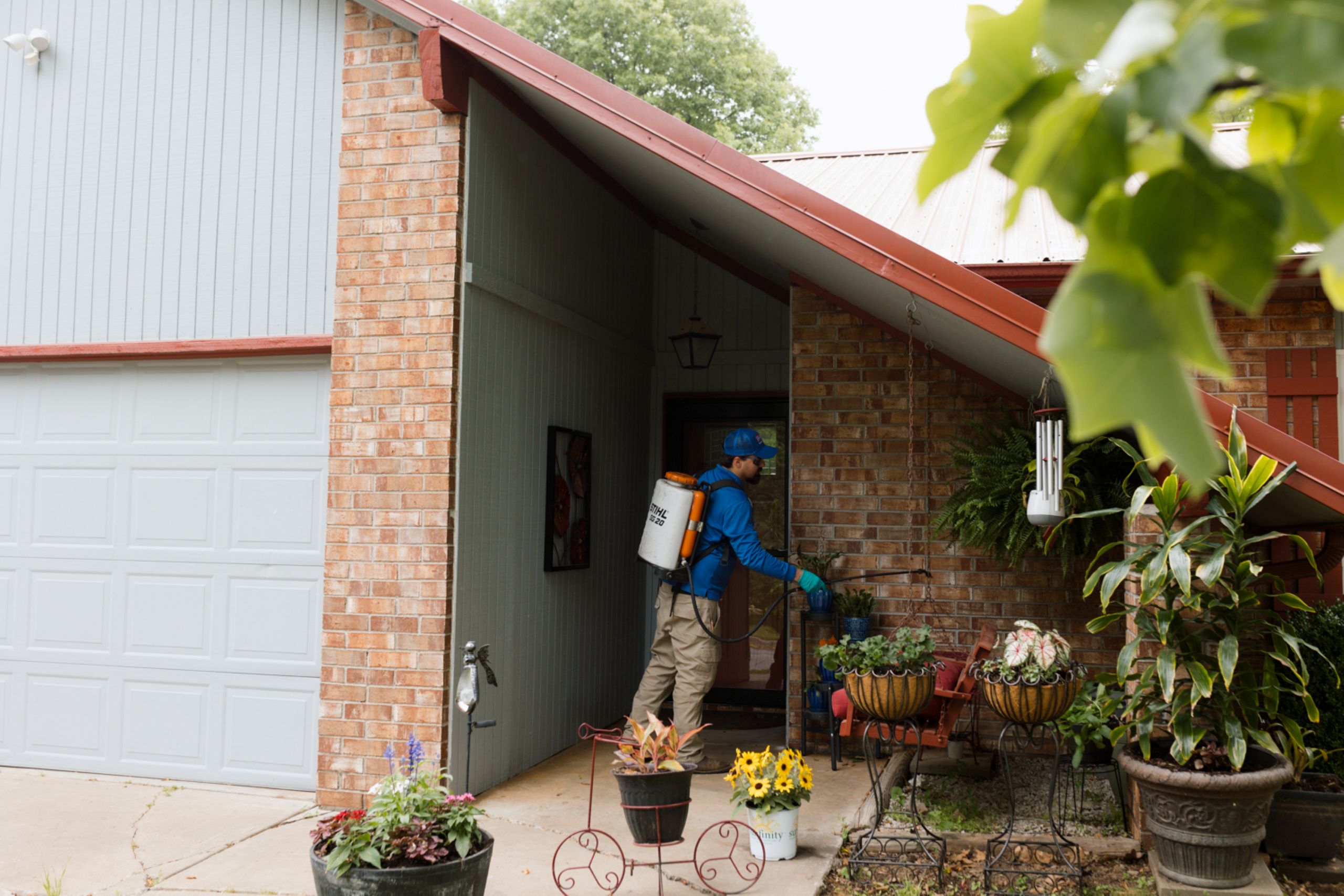
A technician looks over the exterior and interior of the home for the signs that extension guides describe. Mud tubes on foundation walls are among the clearest, and the University of Arkansas Division of Agriculture separates them into exploratory, utility, drop, and swarm tubes, each of which says something different about how termites are moving. Oklahoma State University Extension adds discarded wings on window sills and wood that sounds hollow when tapped.
The conditions around the home are part of the review too, such as drainage and wood that touches soil. That is how a visit can cover what could attract termites as well as what is already there. When it ends, you should leave knowing what was found and what, if anything, comes next.
[PLACEHOLDER: One or two sentences from a West Termite technician on what they most often find during an annual inspection. Delete this line if no quote is supplied.]
Termite Risk Can Change From One Year to the Next
Homes change over time.
Landscaping grows, soil levels shift, drainage patterns change, and small maintenance issues can develop. A home that appeared to have no termite concerns one year may develop new vulnerabilities before the next.
For example, a clogged gutter can lead to water collecting near the foundation. A leaking outdoor fixture may create persistent moisture. A landscaping project may introduce wood materials closer to the structure.
These changes may seem unrelated to termite control services, but they can influence the conditions around the home.
Annual inspections provide a regular opportunity to look for these changes rather than waiting until they become obvious.
How Often Should You Have a Termite Inspection?
A yearly inspection is a sensible baseline for most homes. The University of Arkansas Division of Agriculture recommends that homeowners inspect their own property every year, and a professional visit adds a trained eye and access to areas most people cannot easily see. If your home has had termite activity before, or has a damp crawl space, ask the technician whether you need visits more often than once a year.
There is no single best month, but spring is worth planning around. Winged termites usually swarm in spring, and the University of Arkansas Division of Agriculture puts the window at March through May in Arkansas. Oklahoma State University Extension adds that swarmers have been recorded in every month of the year, so spring is the season to plan around, though activity can show up at other times. For steps to take before swarm season, see our guide to protecting your Arkansas home from termites this spring.
Early Detection Can Limit Additional Damage
No homeowner wants to discover that termites have been active for years.
The earlier termite activity is identified, the sooner appropriate termite treatment can begin. This can help prevent additional feeding and reduce the amount of time the colony has to continue damaging the structure. Our post on how fast termites can damage a home explains why the timeline is hard to predict.
An annual inspection does not guarantee that termites will never appear. However, it can reduce the likelihood that activity will remain unnoticed for an extended period.
Think of it as a routine checkup for one of your largest investments.
You may not need major work every year, but regular attention can help identify small concerns before they become more difficult and expensive to manage.
Why Visible Signs Are Not Enough
Homeowners often wait for obvious signs before scheduling an inspection. They may expect to see termites crawling around, damaged walls, or significant changes to the home.
The problem is that termites can remain hidden long before these warning signs appear.
Mud tubes, damaged wood, discarded wings, and other evidence can indicate activity, but not every infestation produces obvious signs in areas homeowners regularly see.
Waiting for visible damage can therefore mean waiting until the problem has already progressed.
A professional termite inspection is designed to look beyond the places homeowners normally check.
Annual Inspections Support Long-Term Termite Prevention
Termite prevention is not a one-time project.
Conditions around a home can change with weather, landscaping, maintenance, and normal aging. Regular inspections allow homeowners to take a more consistent approach to protecting the property.
An inspector may recommend addressing moisture, improving drainage, reducing wood-to-soil contact, or monitoring a specific area. These recommendations can become part of a broader termite prevention plan.
The goal is to reduce opportunities for termites while remaining alert to early signs of activity.
For homeowners who have previously had termite treatment, annual inspections can also provide continued peace of mind by helping monitor the property over time.
Why DIY Inspections Have Limitations
Homeowners can certainly look for obvious warning signs around their properties. Checking for moisture problems, keeping vegetation trimmed, and watching for mud tubes are all useful habits.
However, a homeowner’s inspection is not the same as a professional evaluation.
Termites can be active in areas that require experience to assess properly. It can also be difficult to distinguish termite damage from moisture damage, wood decay, or activity caused by other pests.
A professional inspection can provide a clearer understanding of what you are seeing and whether additional termite control services are needed.
This can help prevent homeowners from either ignoring a serious concern or spending money on unnecessary treatments.
Between professional visits, MU Extension suggests probing wood near the foundation or soil with a sharp screwdriver, since termite-damaged wood offers little resistance. If you find mud tubes or wood that gives way, call a professional.
The Cost of an Inspection Compared With Hidden Damage
One reason some homeowners put off annual termite inspections is that there is no immediate evidence of a problem.
It can be difficult to prioritize prevention when everything appears normal.
However, termite damage can remain hidden and may require significant repairs if left unaddressed. An inspection is a proactive step designed to provide information before damage becomes more extensive.
Nationally, termites cause more than $6.8 billion in property damage each year, according to PestWorld.org, the consumer site of the National Pest Management Association. Allstate notes that most homeowners insurance policies do not cover termite damage or its removal, so the repair bill usually falls to the homeowner. The price of an inspection varies with the company and the size and layout of the home, so ask what the visit includes when you call.
Annual inspections allow homeowners to make decisions based on the actual condition of the property rather than assumptions.
That peace of mind alone can be valuable, particularly in areas where termite activity is a common concern.
Termite Inspections and Home Sales in Arkansas
An inspection also comes up when a house changes hands. West Termite’s termite control page notes that annual termite inspections are often required, especially during real estate transactions. Under Arkansas pest control rules, only a company holding a commercial license for termite and structural pest control can issue a letter of clearance. The letter must include a signed contract with a guarantee of at least one year and a diagram of any wood-destroying insect activity or visible damage that was found. For real estate transactions, the report must use the HUD-prescribed Wood Destroying Insect Infestation Inspection Report form. Ask the inspector which report your transaction calls for.
Make Termite Protection Part of Your Home Maintenance Routine
Home maintenance often involves regular attention to systems and materials that homeowners cannot always see. Roofs, plumbing, drainage, and heating systems are inspected because problems can become more expensive when they are ignored.
Termites deserve similar attention.
A yearly termite inspection can help identify hidden activity, highlight conditions that increase risk, and provide an opportunity for early termite treatment when necessary.
West Termite provides termite inspections that Arkansas homeowners can depend on, along with professional termite treatment and termite control services throughout Arkansas, Oklahoma, and Missouri. Our team understands that protecting a home is about more than responding to a problem after damage has already occurred.
If it has been more than a year since your home was last inspected for termites, now is a good time to take a closer look. Contact West Termite today to schedule your annual termite inspection and take a proactive step toward protecting your home from hidden termite damage.