
 (
( 

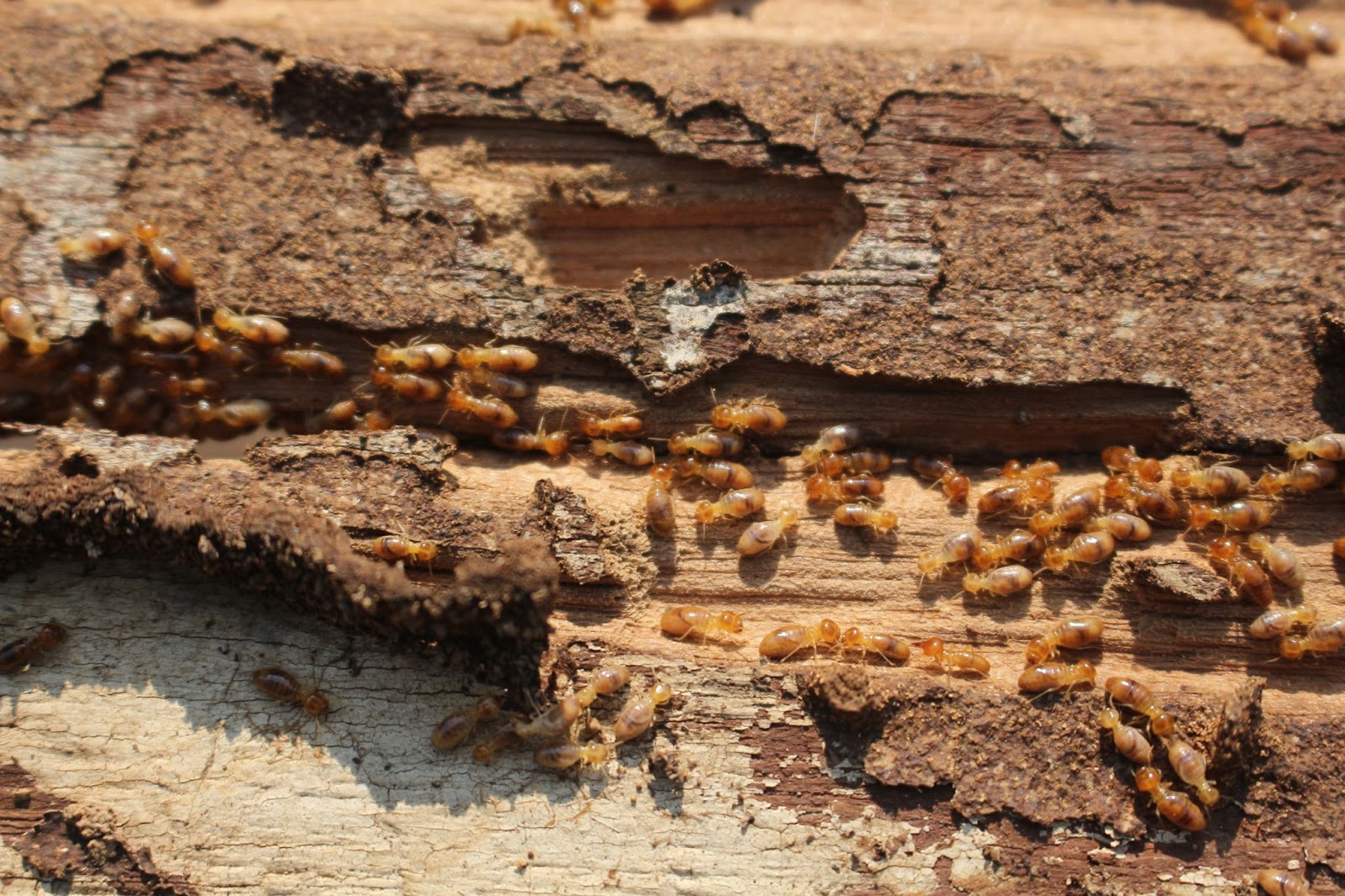
What Happens During a Professional Termite Inspection?
If you’ve never scheduled a termite inspection before, you might be wondering what to expect. Whether you’re buying a new home, maintaining your current one, or dealing with signs of a possible infestation, a professional termite inspection is a key part of protecting your property.
At West Termite, we take inspections seriously. Our team follows a detailed process to identify current activity, evaluate potential risks, and provide recommendations for treatment or prevention. Here’s what typically happens during a professional termite inspection and why it’s such an important step in safeguarding your home.

Why Termite Inspections Matter
Termites are sneaky. They can live inside walls, under floors, and in crawl spaces for months without leaving obvious signs. By the time you notice them, serious damage may already be done.
A professional termite inspection gives you the opportunity to catch problems early, often before they become costly. It also helps identify vulnerabilities around your home that might be inviting pests in, even if you haven’t seen any damage yet.
Initial Consultation and Walkthrough
Every inspection begins with a conversation. Our specialists will ask about any concerns you’ve noticed, such as unusual sounds in the walls, discarded wings, or mud tubes. We’ll also gather details about your home’s age, construction materials, and history of pest issues.
Then, we’ll do an exterior walkthrough to check areas where termites are most likely to appear first. This includes the foundation, siding, and yard spaces where moisture and wood might be present.
Thorough Interior and Exterior Checks
During the termite inspection, we’ll examine both the inside and outside of your home. This includes:
- Basements and crawl spaces: These areas are dark, damp, and often overlooked. They’re prime spots for termites to enter and build colonies.
- Attics and ceilings: Termites don’t just stay near the ground. If there’s wood, they’ll find it.
- Windows and doors: Gaps or damaged frames are common entry points.
- Plumbing areas: Kitchens, bathrooms, and laundry rooms are checked for moisture that could attract pests.
We use flashlights, moisture meters, and other tools to look for signs of damage, such as hollow wood, frass (termite droppings), and mud tubes. These clues help us determine whether termites are active and where they may be hiding.
Identifying the Type of Termite
Not all termites behave the same. Arkansas is home to different types, including subterranean and drywood termites. During your termite inspection, we’ll identify the species based on their behavior, nesting habits, and the type of damage they leave behind.
This step is important because it determines the best treatment strategy. Some termites require soil treatments, while others may need localized or structural solutions.
Reporting and Recommendations
Once the inspection is complete, we’ll provide a detailed report. This includes:
- Areas inspected and findings
- Evidence of current or past termite activity
- Damage identified (if any)
- Entry points or risk areas
- Treatment options and next steps
If no signs of termites are found, that’s great news. But even in that case, we’ll give you suggestions for keeping your home protected through preventive treatments or maintenance habits.
FAQ: Common Questions About Termite Inspections
Q1: How much is a termite inspection?
Most termite inspections are affordable, and at West Termite, we provide free quotes based on your home’s size and condition.
Q2: How long does a termite inspection take?
Most inspections take between 30 minutes to an hour, depending on the property’s size and complexity.
Q3: What happens if termites are found?
We’ll walk you through customized treatment options to eliminate the infestation and prevent future damage.
Q4: How often should I schedule a termite inspection?
For Arkansas homeowners, we recommend annual termite inspections to catch early signs of activity and protect against seasonal risks.
Peace of Mind for Homeowners and Buyers
Whether you’re preparing to buy a new property or simply want to protect your home, a termite inspection provides valuable peace of mind. It helps you make informed decisions and can even be used as part of a home sale process.
At West Termite, we’re committed to providing clear, honest feedback during every inspection. Our goal is to protect your investment and make sure you feel confident about the safety of your home.
Don’t wait for visible damage to appear. Schedule your professional termite inspection with West Termite today and take the first step toward long-term protection.
Call your local West Termite location or fill out the form
on our contact page to schedule your inspection today!
More posts from West Termite, Pest & Lawn
Spring Pest Control Checklist
Spring is one of the most important times of the year for pest control. As temperatures rise in Arkansas, pests become more active, searching for food, water, and shelter. Without proper preparation, homes can quickly become targets for ants, termites, rodents, and...

Early Detection of Pest Damage Around Your Home
Pest problems rarely start as major infestations. In most cases, damage begins small and goes unnoticed until it becomes expensive and difficult to repair. Early detection of pest damage is one of the most important steps homeowners can take to protect their property....

Preventing Ant Infestations as Temperatures Rise
As temperatures begin to rise in Arkansas, ant activity increases almost immediately. Warmer weather signals the start of foraging season, and ants begin searching for food, water, and shelter. What may start as a few ants along a windowsill or countertop can quickly...