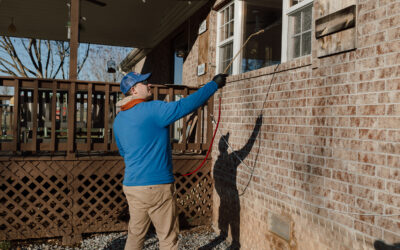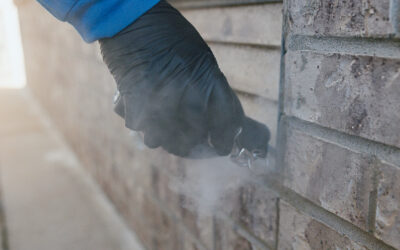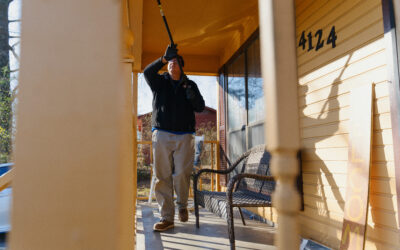


During the fall and early winter months, leaves, branches, mulch, and other organic debris tend to accumulate around homes. While this buildup may seem harmless, it actually creates one of the biggest seasonal pest risks for homeowners. When organic materials collect near your foundation, they trap moisture, hide pests, and provide shelter that encourages insects and rodents to move closer to your home. As temperatures drop, that proximity dramatically increases the chance of a winter invasion.
Understanding how debris contributes to pest problems allows you to take practical steps that help protect your property. With a strong seasonal strategy and a focus on good outdoor maintenance, you can significantly reduce the chances of pests entering your home as winter approaches.
How Debris Near Your Foundation Attracts Pests
Foundation pests thrive in areas that offer shelter, moisture, and steady temperature. Fallen leaves and accumulated yard debris provide all three. As debris layers build up, they insulate the ground beneath them, creating warm pockets where pests can hide. This environment appeals to insects like ants, termites, spiders, beetles, and roaches, as well as rodents that seek shelter once the weather turns cold.
Because debris sits directly against the home, pests sheltering inside it naturally begin to explore cracks, gaps, and openings around the foundation. What begins as a temporary hiding place can quickly turn into an active entry point into your home.
Moisture Is a Major Contributor to Pest Activity
One of the biggest concerns with leaf and debris buildup is moisture retention. When leaves sit for long periods, they hold water from rain, frost, and condensation. Moist environments are ideal for pests, especially insects that depend on water sources during winter. As the debris stays damp, it attracts pests to the exact areas where your home is most vulnerable.
Termites, ants, roaches, and even overwintering insects frequently gather around moisture-rich debris. Once they settle, they begin to explore nearby wood, insulation, and structural gaps. This is why moisture control around the foundation is a crucial part of winter pest prevention.
Why Pest Activity Increases as Temperatures Drop
As winter approaches, pests do not simply disappear. Many species survive by finding sheltered areas where temperatures remain stable. Leaf debris creates insulated pockets that prevent the ground from freezing quickly, which helps pests stay active longer. These warmer spaces keep insects and rodents comfortable enough to continue searching for heat and food. Unfortunately, the closest source of both is often inside your home.
By the time a homeowner notices pest activity indoors, the infestation usually started weeks earlier in the debris around the foundation. Preventing buildup early in the season goes a long way in avoiding unwanted winter guests.
Reduce Debris Near the Foundation to Lower Pest Risk
Removing leaf and debris buildup is one of the easiest pest risk prevention steps you can take. Raking away leaves, clearing branches, and checking the perimeter of your home weekly during fall keeps pests farther from your home. Even a small cleanup can dramatically reduce the number of insects and rodents settling around your property.
Some debris is unavoidable, but try to avoid letting it accumulate directly against the base of your home. Clearing gutters helps too, since clogged gutters cause water to overflow and pool near the foundation, creating even more moisture for pests to thrive in.
Mulch, while beneficial for landscaping, should be monitored as well. Too much mulch too close to the home can trap moisture and create excellent pest shelter. Keeping a small buffer between mulch beds and your foundation helps minimize risk.
Prevent Pest Entry by Strengthening Exterior Barriers
Foundation pests take advantage of very small openings. A quick exterior check can make a major difference. Sealing cracks, repairing gaps, and replacing worn weatherstripping keeps pests from crossing into indoor spaces. While sealing is helpful year-round, it becomes especially important when pests settle in outdoor debris and begin searching for warmth.
A few areas worth checking include:
- Gaps around siding and utility lines
- Openings near crawl spaces
- Cracks in brick or concrete
- Worn seals on windows or doors
Each small repair strengthens your protection against winter pest risks.
Maintain a Clean Perimeter to Support Long-Term Pest Prevention
Foundation maintenance isn’t just a fall task. By keeping the perimeter of your home clean throughout the year, you reduce the chance of pests settling close to your home in any season. A clean perimeter improves airflow, prevents moisture buildup, and makes it easier to spot early signs of foundation pests before they cause damage.
Protect Your Home With Help From West Termite
Leaves and debris might seem insignificant, but they create some of the most common conditions pests rely on during fall and winter. With the right outdoor maintenance and a proactive approach, you can keep pests risk away from your foundation and protect your home all season long.
If you want expert support preparing for winter, West Termite offers reliable inspections, moisture evaluations, and full-service pest protection designed for Arkansas homes.
Schedule your winter pest inspection with West Termite today and keep your home protected from foundation pests all season long.