 (
( 


Many homeowners are surprised to discover that an indoor ant infestation often begins outside. When ants suddenly appear in kitchens, bathrooms, laundry rooms, or along baseboards, the immediate reaction is usually to focus on the ants that are visible inside the home. However, the conditions attracting those ants frequently originate in the lawn and landscaping surrounding the property.
Understanding the connection between lawn conditions and indoor ant infestations is essential for long-term ant control. Without addressing what is happening outdoors, homeowners may find themselves dealing with recurring ant problems no matter how many times they spray or clean.
The truth is that healthy lawns and proper pest management often play a major role in keeping ants out of your home.
Why Ants Move Indoors
Ants are constantly searching for food, water, and shelter. During the spring and summer months, colonies become more active and expand their foraging areas. As populations grow, worker ants travel farther from the nest in search of resources.
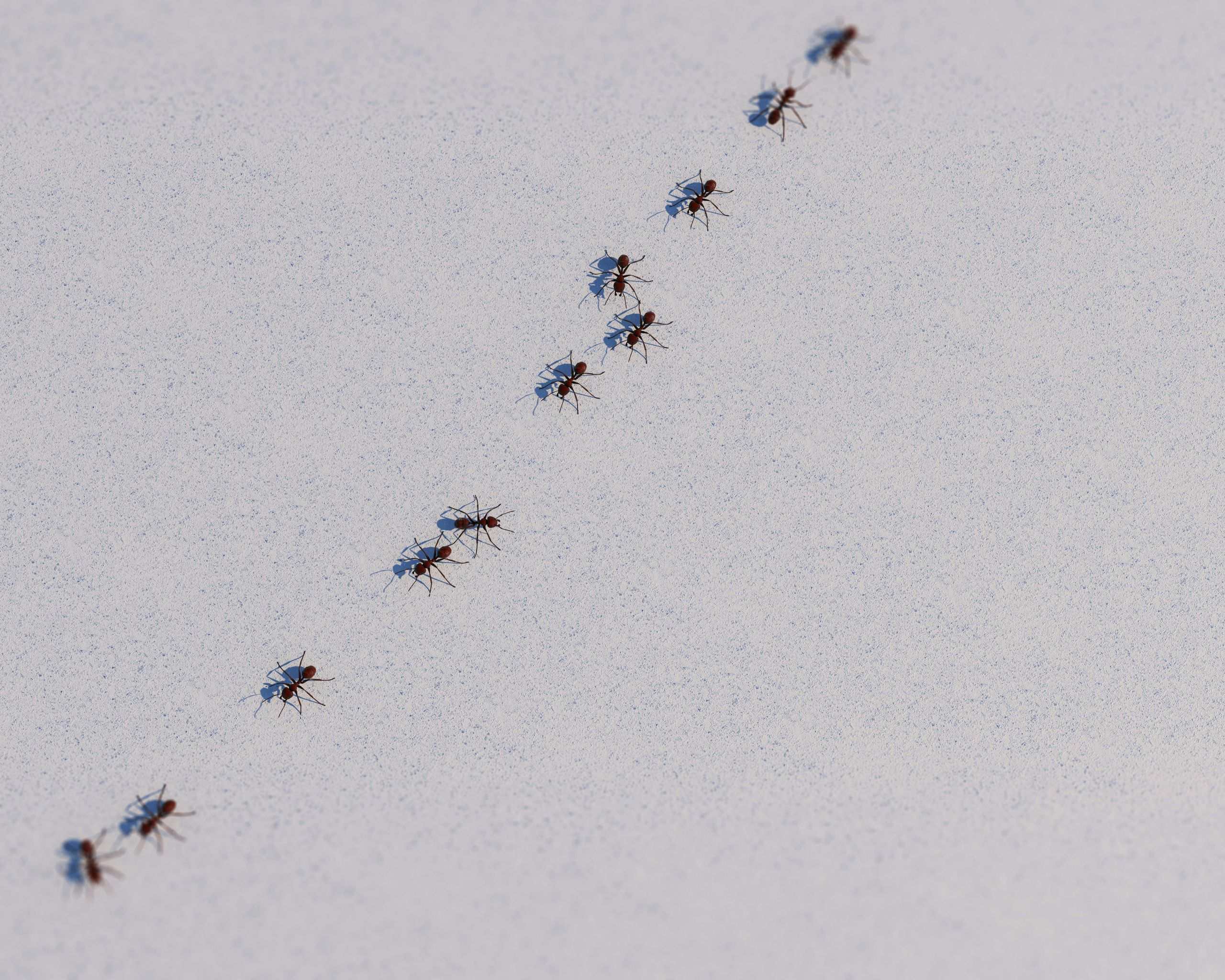
If conditions in the lawn encourage colony growth, it becomes more likely that ants will eventually find pathways into the home. Once a food or water source is discovered indoors, ants create scent trails that allow other members of the colony to follow.
This is why homeowners often notice a few ants at first, followed by dozens or even hundreds shortly afterward.
While indoor food sources may attract ants initially, outdoor colony conditions often determine the size and persistence of the infestation.
Lawn Moisture Creates Ideal Conditions
One of the biggest factors contributing to ant activity is moisture. Lawns that receive excessive watering or suffer from poor drainage create favorable environments for many ant species.
Moist soil makes it easier for colonies to establish themselves and expand. Areas near irrigation systems, downspouts, flower beds, and shaded landscaping often provide ideal nesting conditions.
As colonies grow larger, the chances of ants moving toward nearby structures increase. Homes located near heavily watered landscaping may experience more frequent ant activity simply because large colonies are thriving close to the foundation.
Managing lawn moisture is one of the simplest ways to reduce ant pressure around a property.
Landscaping Can Encourage Colony Growth
Certain landscaping features can make ant problems worse. Thick mulch, dense vegetation, wood debris, and overgrown planting beds provide shelter and protection for colonies.
These environments help ants avoid predators and harsh weather conditions while maintaining easy access to food and moisture. Fire ants, in particular, often thrive in lawns and open areas where soil conditions allow mounds to develop quickly.
Carpenter ants may also become a concern when moisture-damaged wood is present in landscaping or around structures. Because these ants are attracted to wet wood, conditions around the lawn can directly contribute to future pest problems inside the home.
A well-maintained landscape reduces hiding places and makes it more difficult for colonies to establish themselves close to the structure.
Why Fire Ants Are More Than a Lawn Problem
Many homeowners view fire ants as strictly an outdoor issue. While their mounds are certainly a concern for families and pets, large fire ant populations can contribute to broader pest challenges.
Fire ant colonies can spread rapidly during warm weather, creating multiple mounds throughout a property. As colonies expand, ants may begin exploring structures in search of food and water.
Their painful stings also create safety concerns, particularly for children, pets, and individuals with allergic reactions. In some cases, homeowners focus solely on treating visible mounds while overlooking the broader colony network developing across the property.
Effective fire ant treatment addresses the source of the infestation rather than simply eliminating the ants that are easiest to see.
Why DIY Ant Treatments Often Fail
One of the most common frustrations homeowners experience is seeing ants return shortly after treatment. This happens because most DIY products target visible ants rather than the colony itself.
Spraying ants inside the home may temporarily reduce activity, but it rarely affects the nest outdoors. Meanwhile, the colony continues producing workers that eventually find their way back inside.
This is especially common when lawn conditions continue supporting colony growth. Moist soil, favorable nesting areas, and easy access to food allow ant populations to recover quickly.
Long-term ant control requires addressing both indoor activity and the outdoor conditions that support infestations.
Professional Lawn Pest Control Makes a Difference
Because many ant infestations begin outside, lawn pest control plays an important role in prevention. Professional inspections can identify conditions that encourage colony growth before indoor infestations become severe.
By evaluating moisture levels, landscaping conditions, and visible signs of ant activity, pest professionals can develop targeted treatment plans that address the root cause of the problem.
This approach is often far more effective than repeatedly treating visible ants while allowing colonies to remain active nearby.
For homeowners dealing with recurring infestations, understanding what is happening in the lawn is often the missing piece of the puzzle.
Stop Ant Problems Before They Move Indoors
Indoor ant infestations rarely happen by accident. In many cases, lawn conditions create an environment where colonies can thrive and expand until they eventually enter the home.
Proper lawn maintenance, moisture management, and professional pest control all play important roles in preventing these problems before they start. Addressing outdoor conditions early can reduce ant activity, limit colony growth, and help protect your home throughout the spring and summer months.
At West Termite, we provide professional lawn pest control and ant prevention services designed to stop infestations at their source. Our team helps homeowners throughout Arkansas, Oklahoma, and Missouri identify risk factors, treat active colonies, and create long-term solutions for recurring ant problems.
If ants keep coming back no matter how often you spray, contact West Termite today. We can help identify the outdoor conditions driving the infestation and develop a plan to keep your home protected.