
 (
( 

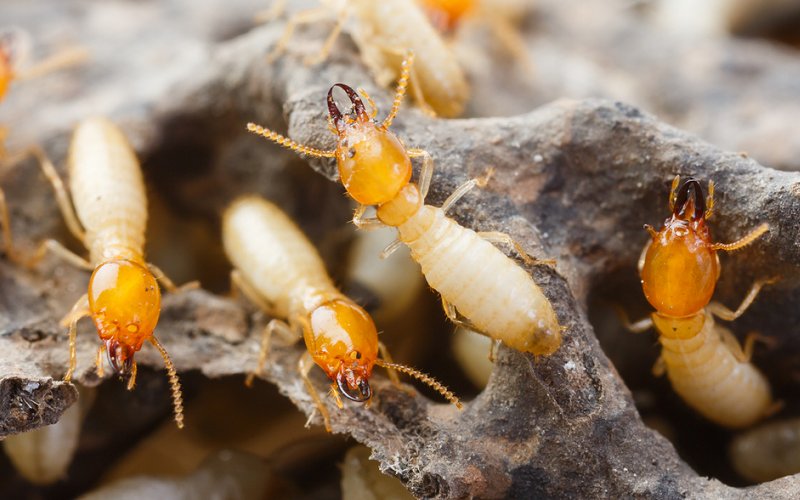
8 Signs of Termite Damage You Might Miss
Termites are often called “silent destroyers” for a reason. These pests can be active in your home for months or even years before obvious signs appear. By the time visible evidence shows up, the damage may already be severe. That’s why learning to recognize subtle signs of termite damage is one of the smartest steps you can take as a homeowner in Arkansas.
At West Termite, we help clients spot early indicators of infestation before it leads to major repairs. If you’re unsure what to look for, here are some often-overlooked signs of termite damage that may be hiding in plain sight.

1. Hollow-Sounding Wood
One of the earliest and most common signs of termite damage is wood that sounds hollow when tapped. Termites eat wood from the inside out, leaving a thin surface that may appear fine at first glance. Knocking gently on baseboards, door frames, or beams can help you identify areas where the internal structure has been compromised.
2. Paint That Appears Bubbled or Uneven
Termite activity behind walls can sometimes cause paint to bubble, peel, or look distorted. Many homeowners confuse this with water damage, but it could actually be caused by termites tunneling underneath the surface. If you notice odd textures or bubbles in your paint, it’s worth a closer look.
3. Buckling Floors or Loose Tiles
As termites feed on wooden subflooring, the structural support beneath your floors begins to weaken. You might notice sagging, warping, or loose tiles in affected areas. These changes often happen slowly, which makes them easy to dismiss as normal wear and tear—until a major issue develops.
4. Stuck Doors or Windows
When termites damage wood around windows and doors, the frames can warp slightly. This often results in windows that don’t open smoothly or doors that seem to stick. If you’re noticing these changes without an obvious cause like humidity, termites could be the culprit.
5. Mud Tubes on Exterior Walls
Termites create thin, pencil-sized mud tubes to travel between their colony and food sources. These tubes are often found along exterior walls, foundation lines, or crawl spaces. They serve as protection for the termites and a reliable indicator of an active infestation.
6. Small Holes in Drywall
Drywall that has small, pinpoint-sized holes may be another sign of termite damage. These holes allow termites to push out frass, or droppings, from inside the wall. While the holes themselves may be difficult to spot, noticing small piles of what looks like sawdust nearby is a telltale clue.
7. Sounds Inside the Walls
Some homeowners report hearing faint clicking or rustling noises from inside walls. These sounds are caused by termites as they chew through wood or when soldier termites tap their heads to signal danger. Although subtle, these noises are worth investigating, especially in a quiet house at night.
8. Visible Frass or Droppings
Termite frass is often mistaken for sawdust or coffee grounds. These small piles usually appear beneath wooden furniture, windowsills, or anywhere termites are active. The presence of frass means termites have made themselves at home, and professional treatment is needed right away.
FAQ: What Should I Do Immediately if I See Termite Damage?
If you notice signs of termite damage, act quickly:
- Do not disturb the area- disturbing termites can cause them to scatter deeper into your home.
- Document what you see – take photos or videos of the damage for reference.
- Contact a professional- call a licensed termite control company like West Termite to schedule an inspection.
- Avoid DIY chemicals – over-the-counter sprays rarely solve the root problem and may interfere with professional treatments.
Quick action helps minimize damage and ensures treatment is more effective.
DIY Pre-Inspection Checklist
Want to take a closer look before scheduling a professional? Here are a few simple steps:
- Knock on wood surfaces to check for hollow or papery sounds.
- Inspect baseboards, windowsills, and door frames for tiny holes or frass.
- Look along exterior walls and foundations for mud tubes.
- Check crawl spaces and basements for excess moisture.
- Listen for faint clicking or rustling noises in quiet rooms.
If you find any of these signs, it’s time to bring in a professional for confirmation and treatment.
Don’t Hesitate
Because termites work silently and steadily, the damage can build up long before it’s noticed. By staying alert to these often-missed signs, you can protect your home from costly repairs and long-term issues.
Get Expert Help from West Termite
If you suspect even a small chance of termite damage in your home, don’t ignore it. At West Termite, we offer thorough inspections and fast, effective treatment plans that stop the damage and prevent future infestations. Our trained technicians know exactly what to look for and how to act quickly to protect your investment.
Let us help you catch the warning signs early. Contact West Termite today for a professional inspection and peace of mind against termite damage.
Call your local West Termite location or fill out the form
on our contact page to schedule your inspection today!
More posts from West Termite, Pest & Lawn

Spring Pest Control Checklist
Spring is one of the most important times of the year for pest control. As temperatures rise in Arkansas, pests become more active, searching for food, water, and shelter. Without proper preparation, homes can quickly become targets for ants, termites, rodents, and...

Early Detection of Pest Damage Around Your Home
Pest problems rarely start as major infestations. In most cases, damage begins small and goes unnoticed until it becomes expensive and difficult to repair. Early detection of pest damage is one of the most important steps homeowners can take to protect their property....

Preventing Ant Infestations as Temperatures Rise
As temperatures begin to rise in Arkansas, ant activity increases almost immediately. Warmer weather signals the start of foraging season, and ants begin searching for food, water, and shelter. What may start as a few ants along a windowsill or countertop can quickly...