
 (
( 

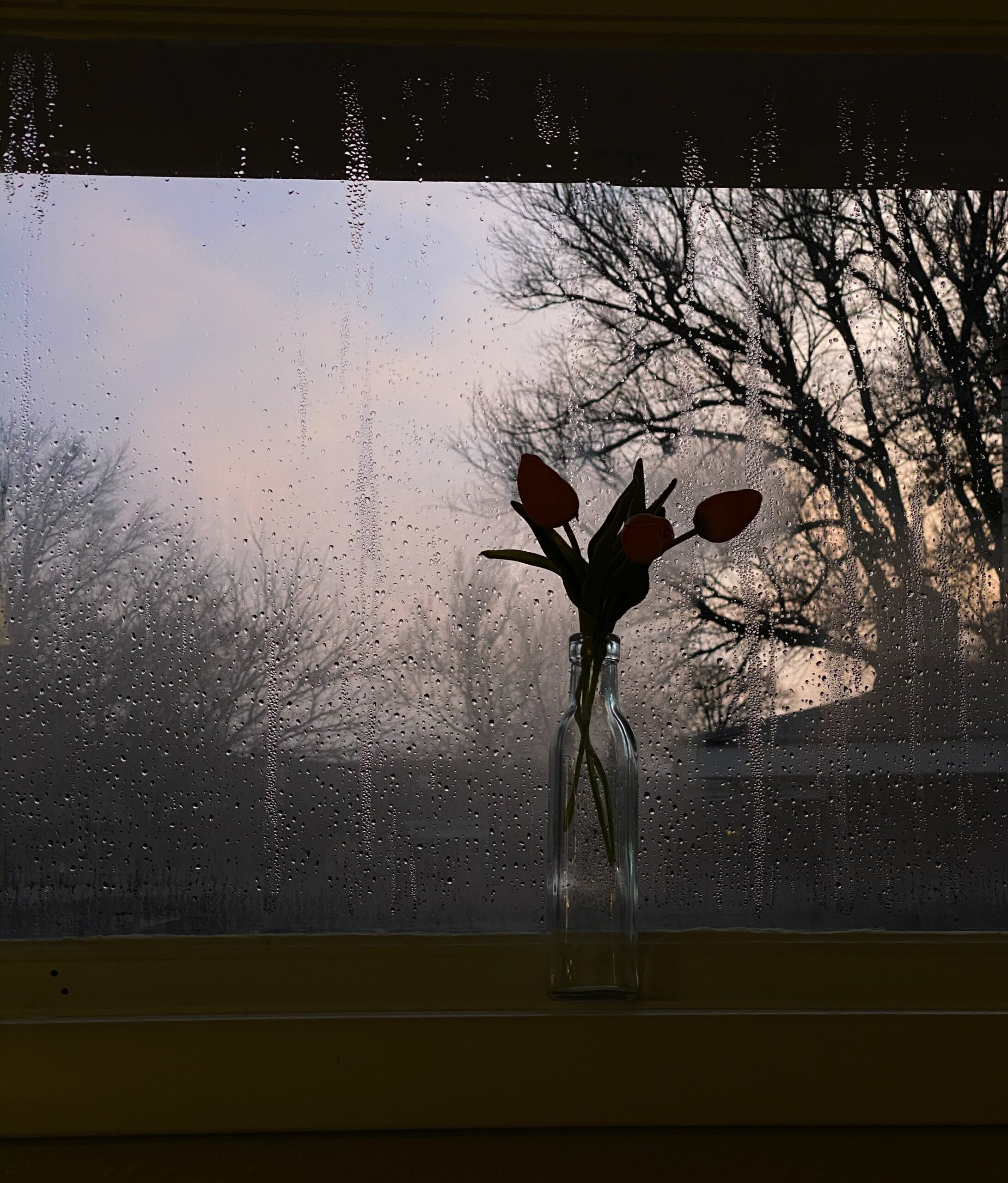
Why do pests invade a home when it’s raining?

Pests, like insects and rodents, may invade homes during rainy weather for several reasons:
Seeking Shelter: Heavy rainfall can flood their usual habitats, such as nests, burrows, or outdoor hiding spots. To escape the water and stay dry, pests seek refuge in homes, which provide a warm and protected environment.
Food Availability: Rain can wash away the pests’ food sources outside, making it harder for them to find sustenance. Inside a home, they may find access to stored food, crumbs, or other edible items, making it an attractive place to forage for food.
Breeding Opportunities: Some pests, like certain species of ants or termites, may use the rain to establish new colonies. The moist ground can facilitate their breeding and nesting activities, leading them to explore nearby structures, including homes.
Temperature Regulation: Rainy weather can lower temperatures, making pests seek warmer places. Homes with heating systems and insulation provide a more comfortable environment for them during colder periods.
Structural Vulnerabilities: During heavy rainfall, small cracks or openings in a home’s exterior can become more apparent, offering pests an easy entry point. Some pests are skilled at exploiting these weaknesses to gain access indoors.
Attracted to Light: Insects are often attracted to artificial light sources at night. When it rains, the light from indoors may become more visible, drawing pests towards the illuminated windows and doors.
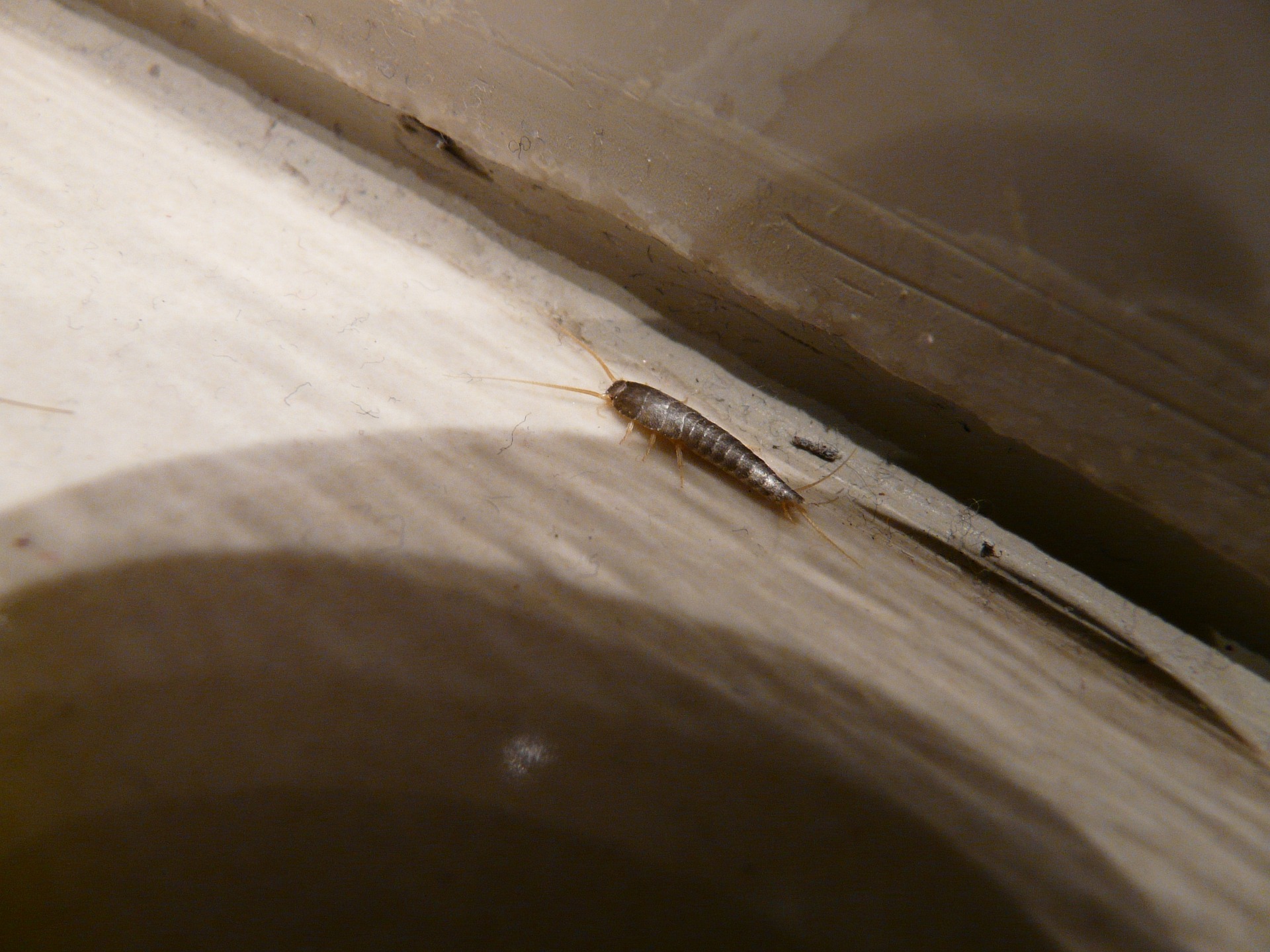
Dampness and Moisture: Pests, especially insects like cockroaches, silverfish, and centipedes, are attracted to damp and moist environments. Rainy weather increases the overall humidity levels, which can create conducive conditions for these pests to thrive. They may seek shelter indoors to avoid excessive wetness and take advantage of moisture-rich areas, such as basements, crawl spaces, and bathrooms.
Reproductive Swarming: Certain pests, such as termites and ants, engage in swarming behavior during specific times, often triggered by environmental factors like rainfall. Rain can prompt these pests to swarm and establish new colonies, leading them to disperse and explore various locations, including homes.

Flooding Displacement: Heavy rains can cause flooding in outdoor areas, forcing pests out of their underground nests or burrows. In search of a drier and safer environment, they may find their way into homes through small openings or cracks.
Lack of Predators: Rain can deter or reduce the presence of natural predators that typically keep pest populations in check. With fewer threats from their natural enemies, pests may feel more confident in seeking out new habitats like homes.
Warmth and Comfort: Some pests are cold-blooded, meaning they rely on external heat sources to regulate their body temperature. Rainy weather can lower the ambient temperature, making warm homes with heating systems even more attractive to these pests.
Seasonal Patterns: In some regions, certain pests have seasonal activity patterns that align with the rainy season. They might become more active or search for alternative shelter when the weather changes.
West Termite, Pest & Lawn can help you implement effective pest prevention measures and regular maintenance. Call us today!
More posts from West Termite, Pest & Lawn
Protected: Best Pest Control Companies in Arkansas: A 2026 Comparison Guide
Password Protected
To view this protected post, enter the password below:

How Fast Can Termites Damage a Home?
Termites are often described as silent destroyers, and for good reason. Unlike pests that make their presence obvious, termites can feed on wood inside walls, beneath floors, and around structural components without homeowners realizing anything is wrong. This...
Are Small Roaches a Sign of a Bigger Infestation?
Seeing a small cockroach in your home can be easy to dismiss. It may disappear beneath an appliance before you get a close look at it, and you may assume it simply wandered indoors from outside. After all, finding one small bug does not always mean your home has a...