
 (
( 

Which pests ruin my garden?
In Oklahoma and Arkansas, gardening is one of the most enjoyable and rewarding outdoor activities. An invasion of pests coming along to ruin the garden is something no one wants to see. Any would-be gardeners would be wise to study up and become familiar with the types of pests who plague gardens, including signs of infestation and strategies to prevent and address problems with any of the following bothersome critters.

Types of garden pests:
Aphids: Aphids reproduce very quickly, making this common garden pest a tricky one to control once it has established a population. This is due in part to the fact that aphids give birth to live young, who then spread about an area with remarkable speed. Aphids are happy to feed on almost any kind of plant, from veggies to flowers, trees, and shrubs; they are true vegetarian omnivores of the pest community. Aphids are tiny insects, with soft, pear-shaped bodies that can be green, brown, black, yellow, white, or pink in color. Both young and fully-grown aphids take nourishment by sucking on plant sap, which causes the insects to secrete a sweet, sticky substance called honeydew. Aphids scatter this substance all around wherever they ingest plants, which means it may be found on stems or leaves of plants, on your patio furniture, or even on your car windows. Finding honeydew residue is a sure sign of an aphid population living in your garden.
Squash bugs: Squash bugs are a voracious pest that can decimate your squash crop. They especially love yellow squash and pumpkins. When they pierce your squashes and gourds with their piercing mouth parts in order to suck out the plant juices, they also cause damage to the plant because they inject a toxic substance that causes vines to wilt and, usually, die. Squash bugs are over half an inch long, with flat backs, broad bodies, and a brownish color. Females lay eggs on the undersides of leaves, where the young squash bugs, called nymphs, will continue to live after they hatch. The easiest way for a small-scale gardener to control squash bug populations is to hand pick them and their egg clusters.
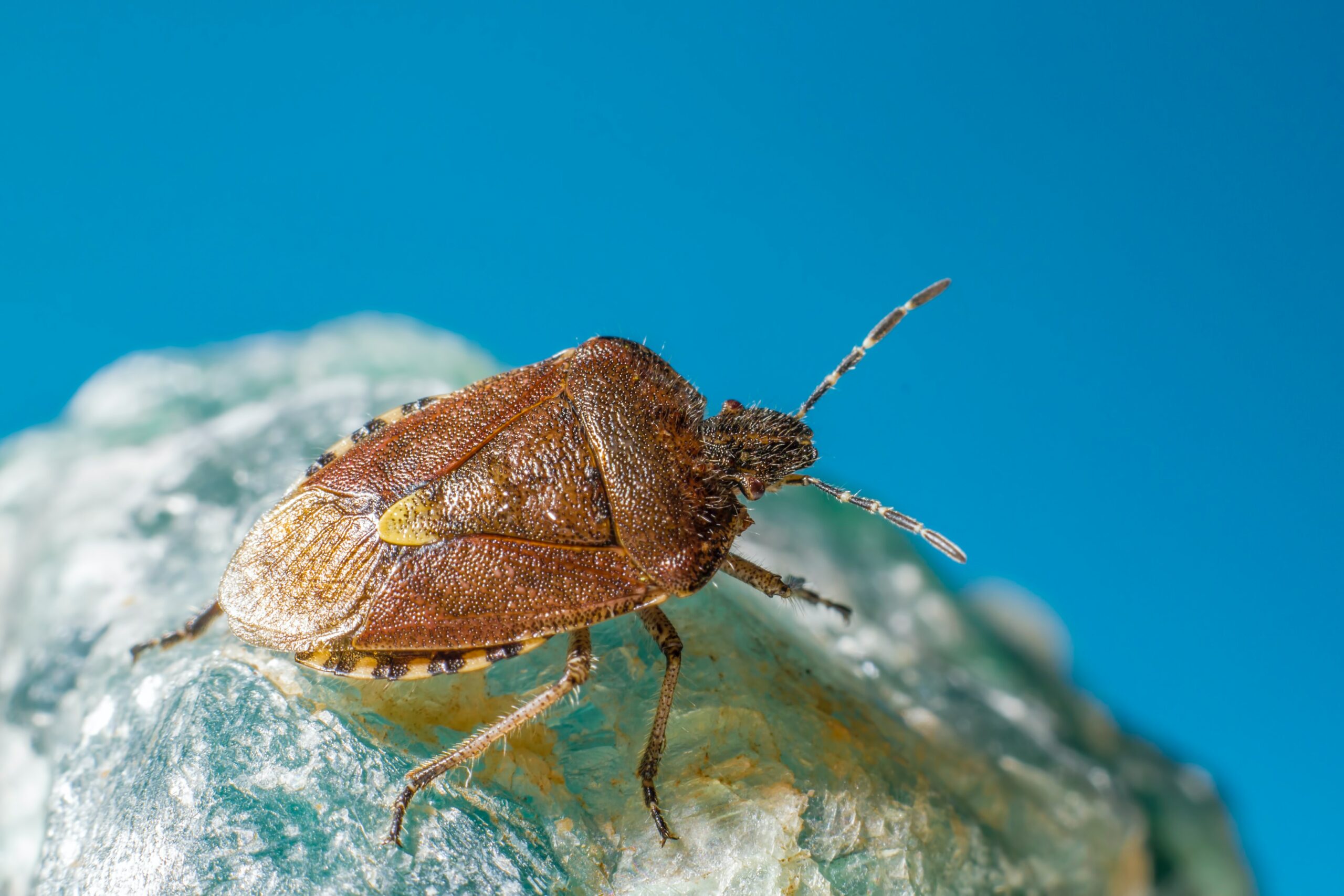
Stinkbugs: Similar to squash bugs, stinkbugs also have piercing/sucking mouth parts that they use to suck the sap out of garden plants. They are about the same size, although they have a distinctive triangle or shield shaped section on their backs. They are related to squash bugs, and females also lay their eggs on the leaves of host plants. Unlike squash bugs, you won’t want to hand pick stink bugs. They give off a nasty odor when disturbed or especially when killed, so you’ll want to dispose of them carefully. One way to catch adult stinkbugs is to leave a melon rind out in your garden overnight, which will draw them, then you can collect and exterminate them in the morning.
West Termite, Pest & Lawn is ready to help you protect your garden. Call today!
More posts from West Termite, Pest & Lawn
Protected: Best Pest Control Companies in Arkansas: A 2026 Comparison Guide
Password Protected
To view this protected post, enter the password below:

How Fast Can Termites Damage a Home?
Termites are often described as silent destroyers, and for good reason. Unlike pests that make their presence obvious, termites can feed on wood inside walls, beneath floors, and around structural components without homeowners realizing anything is wrong. This...
Are Small Roaches a Sign of a Bigger Infestation?
Seeing a small cockroach in your home can be easy to dismiss. It may disappear beneath an appliance before you get a close look at it, and you may assume it simply wandered indoors from outside. After all, finding one small bug does not always mean your home has a...