
 (
( 

What To Do if You See An Empty Cockroach Egg In Your Home
Cockroaches are notorious household pests that can breed very quickly and infest your home if left unchecked.
One sign that you might be dealing with a cockroach infestation is the presence of empty cockroach eggs around your home.

What do cockroach eggs look like?
Cockroach eggs can be difficult to spot, since they’re small and often hidden in dark, moist areas. However, once you know what to look for, you might be able to spot them more easily.
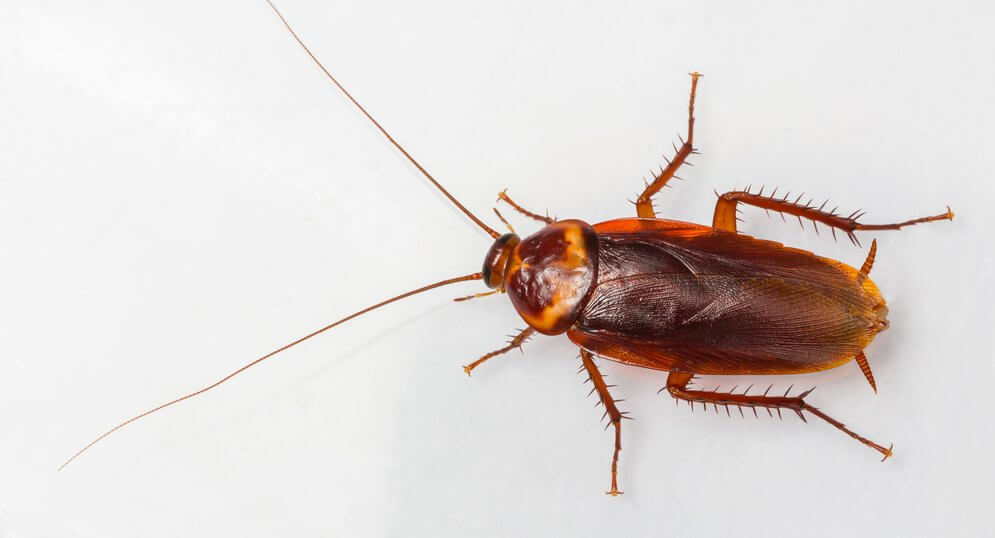
The type of egg you should look for might depend on your area within the United States, and the type of cockroach infestation you’re dealing with. However, they all look fairly similar– brown, oblong casings that range from a few millimeters to one-third of an inch long. They range in shades of brown, and they have ridges on them.
Discovering cockroach eggs might be an upsetting experience for you, since it’s most likely an indication that you are dealing with an infestation– news that nobody wants to hear.
But don’t panic– there are some steps you can take to get rid of these pests for good.
Step 1: Identify the source of the eggs
The first step in dealing with empty cockroach eggs in your home is to identify the source of the eggs. Cockroaches prefer to lay their eggs in warm, moist areas that are close to food sources.
Look for eggs in areas such as the kitchen, bathroom, and laundry room.
Once you’ve identified the source, you can take the necessary steps toward eliminating them.
Step 2: Clean and sanitize the area
Thoroughly clean and sanitize the area where you found the eggs to eliminate any remaining eggs or nymphs.
Use a vacuum cleaner with a HEPA filter to suck up any debris and cockroach eggs, then mop the area with a solution of water and bleach to kill remaining eggs or bacteria.
Step 3: Seal up cracks and holes
Cockroaches can enter your home through even the tiniest cracks and holes. Do your best to seal up any gaps around doors, windows, or utility lines to prevent cockroaches from entering your home.
You can use caulk or foam insulation to seal up gaps, or install weather stripping around doors and windows.
Step 4: Eliminate food and water sources
Cockroaches need food and water to survive– in fact, that’s probably why they’re in your house in the first place. Identify and eliminate their sources of food and water– this means keeping your home clean and free of food crumbs, spills, and garbage. Store food in airtight containers and keep pet food and water bowls clean and dry when possible.
If you have any leaky pipes or faucets, fix them to eliminate any sources of standing water.
Step 5: Call in the pros
Cockroach infestations are a job that’s definitely best left to the professionals. If you’ve found empty cockroach eggs in your home, it’s important to take action quickly to stop the infestation in its tracks.
While DIY methods might be temporarily successful in repelling cockroaches, a true infestation cannot be managed on a DIY basis.
A pest control company (like us!) can identify the type of cockroach infesting your home, determine the extent of the infestation, and provide treatment options tailored to your specific needs.
If you’ve found empty cockroach eggs in your home, it’s time to give us a call. We’re here to help!
More posts from West Termite, Pest & Lawn
Protected: Best Pest Control Companies in Arkansas: A 2026 Comparison Guide
Password Protected
To view this protected post, enter the password below:

How Fast Can Termites Damage a Home?
Termites are often described as silent destroyers, and for good reason. Unlike pests that make their presence obvious, termites can feed on wood inside walls, beneath floors, and around structural components without homeowners realizing anything is wrong. This...
Are Small Roaches a Sign of a Bigger Infestation?
Seeing a small cockroach in your home can be easy to dismiss. It may disappear beneath an appliance before you get a close look at it, and you may assume it simply wandered indoors from outside. After all, finding one small bug does not always mean your home has a...