
 (
( 

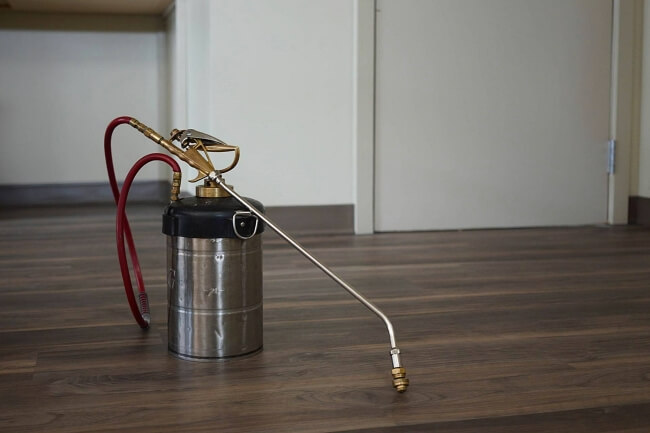
The DOs and DON’Ts of DIY Pest Control
If you have decided to try DIY pest control methods, then you might want to keep some suggestions in mind about what you should do–or not do–for the safety and effectiveness of your DIY pest control treatments.

Here are some things to DO to ensure the safety and success of your DIY pest control:
Prevent pests from entering your home
Some of the safest and easiest DIY pest control tactics are geared to prevent pests from entering your home or business. These strategies tend to be fairly effective, especially if repeated/enforced frequently and thoroughly. You can prevent pests by thoroughly checking boxes or packages before bringing them into your home or office; cleaning up piles of clutter, especially paper products made of fibrous material that pests like to eat or nest in, such as magazines, cardboard boxes, and newspapers; patching or sealing any holes in your doors, walls, baseboards, and other surfaces with wire mesh, steel wool, caulking, and similar obstructive materials; as well as removing any food or water sources or potential shelters that may attract pests.
Apply essential oils and natural ingredients–carefully
Essential oils can prove to be a surprisingly effective DIY pest control treatment, and they can also be safe if used with care and proper information. Peppermint oil sprayed around the perimeter of a building or area can deter mice, while an unbroken barrier of powdered cinnamon is an effective ant deterrent for small areas such as a pet’s feeding area. Be sure to thoroughly research all essential oils and their proper use (paying special attention to recommended proportions of dilution and strength of active ingredients, what carrier agents or mixers to use, where to avoid application, etc.)
Here are some actions that DON’T help with DIY pest control:
Attempt DIY pest control treatments without doing research
The average person might not know much offhand about dealing with pest infestations. In order to handle DIY pest control, most people need to spend considerable time finding solutions for their pest problems. Information you find online usually should be fact checked thoroughly. Unfortunately, investing considerable time researching DIY pest control options does not guarantee that these strategies will work or that the instructions you found are appropriate for your climate, residential setting, your particular pest problems, or other variables.
Expect your DIY pest control treatment to be “one and done.”
Some DIY pest control methods seem more “natural” and therefore safer and easier to apply than professional treatments are often considered to be. However, most DIY pest control treatments simply don’t last as long as professional pest control programs. If you choose to DIY your pest control treatments, you’ll likely have to repeat treatments far more often than what a professional service provider would need to do to control pests for you.
If you decide that DIY pest control isn’t for you, contact West Termite, Pest & Lawn today to find out how we can meet your pest control needs.
More posts from West Termite, Pest & Lawn
Protected: Best Pest Control Companies in Arkansas: A 2026 Comparison Guide
Password Protected
To view this protected post, enter the password below:

How Fast Can Termites Damage a Home?
Termites are often described as silent destroyers, and for good reason. Unlike pests that make their presence obvious, termites can feed on wood inside walls, beneath floors, and around structural components without homeowners realizing anything is wrong. This...
Are Small Roaches a Sign of a Bigger Infestation?
Seeing a small cockroach in your home can be easy to dismiss. It may disappear beneath an appliance before you get a close look at it, and you may assume it simply wandered indoors from outside. After all, finding one small bug does not always mean your home has a...