
 (
( 


The Basics of Preventing Termite Damage
Posing a risk greater than fire, flood, and wind, termites are one of the greatest threats to wood-based structures. Learning the basics about these pests is the best way to protect one of the most valuable investments—your home.
While termite damage might not look as dramatic as fire damage, the problems it causes can be equally daunting and exceptionally expensive. According to the National Pest Management Association (NPMA), termites cost Americans more than $5 billion in damage annually.
These silent invaders can infest your home for years, hiding in your basement or attic, without any immediate signs of damage. Understanding basic termite behavior is the first step in preventing these pests from entering your home.

Termite 101
- Termites live inside wood or underneath the ground.
- Termites can slip through cracks in a home’s foundation as thin as an average business card (1/32″).
- Termites eat wood from the inside out, keeping the outside of a wood surface completely intact.
- Termites are social insects that live in colonies of up to several thousand.
While termite species vary based on region, all termites require four things to survive: food, moisture, shelter and optimal temperature. Whether your home is brick, stucco, or wood, termites can thrive in any of these environments.
Be mindful of these key warning signs of infestation:
- Wood that sounds hollow when tapped.
- Pencil-sized mud tubes on exterior walls.
- Distorted, cracked, or bubbling areas of paint on wood surfaces.
While effective pest control requires continued monitoring by a trained professional, there are some practical steps you can also take to help prevent termite damage, including:
- Sealing gaps and cracks in places like attic vents, window joints, and eaves.
- Preventing ground contact with foam insulation or wood.
- Checking decks and wooden fences for damage.
- Eliminating moisture and removing wood sources, including mulches that are close to the home.
- Keeping gutters and downspouts clean and free of debris.
More posts from West Termite, Pest & Lawn
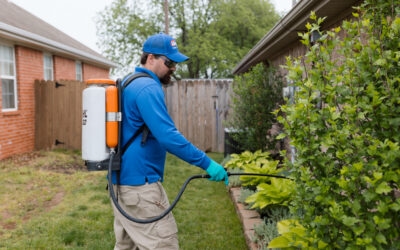
Protected: Best Pest Control Companies in Arkansas: A 2026 Comparison Guide
Password Protected
To view this protected post, enter the password below:

How Fast Can Termites Damage a Home?
Termites are often described as silent destroyers, and for good reason. Unlike pests that make their presence obvious, termites can feed on wood inside walls, beneath floors, and around structural components without homeowners realizing anything is wrong. This...
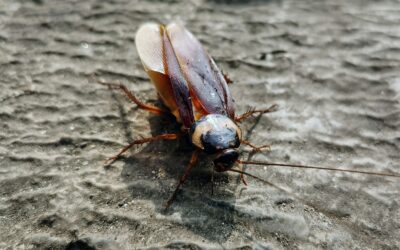
Are Small Roaches a Sign of a Bigger Infestation?
Seeing a small cockroach in your home can be easy to dismiss. It may disappear beneath an appliance before you get a close look at it, and you may assume it simply wandered indoors from outside. After all, finding one small bug does not always mean your home has a...