
 (
( 


Smells that Keep Pests Away
Pests can be a persistent and frustrating problem, whether you are dealing with ants in the kitchen, mosquitoes in the yard, or spiders in the basement. While there are many commercial pesticides available, many homeowners are interested in natural methods to keep pests at bay. One effective and environmentally friendly way to deter pests is by using certain smells that pests find repulsive. In this blog, we’ll explore various scents that can help keep your home pest-free.

Essential Oils: Nature’s Pest Repellent
Essential oils are not only great for aromatherapy but also serve as potent pest repellents. Here are some of the most effective ones:
Peppermint Oil
Peppermint oil is a powerful deterrent against ants, spiders, and mice. The strong smell confuses pests and masks the scent trails left by other ants, making it difficult for them to navigate. To use peppermint oil, mix 10-15 drops with water in a spray bottle and apply it around entry points, such as windowsills and doorways.
Eucalyptus Oil
In addition to rodents, snakes also prey on a variety of insects. Garter snakes, for example, feed on insects such as grasshoppers and beetles, which can damage gardens and crops. By controlling the population of these insects, snakes help protect plants and maintain the health of gardens and agricultural lands.
Lavender Oil
Lavender oil is another excellent option for repelling moths, fleas, flies, and mosquitoes. It also has the added benefit of providing a calming atmosphere in your home. Place lavender sachets in closets or drawers, or use the oil in a diffuser.
Tea Tree Oil
Tea tree oil is effective against a variety of pests, including ants, roaches, and bed bugs. Its strong antiseptic properties make it a great addition to your pest control arsenal. Add a few drops to water and spray around areas where pests are commonly found.

Herbs and Spices: More Than Just Flavor
Certain herbs and spices are not only great for cooking but also for repelling pests. Here are some you might already have in your kitchen:
Basil
Basil is known to repel flies and mosquitoes. Plant basil near doorways and windows or place pots of basil on your kitchen windowsill to keep these pests away.
Cinnamon
Cinnamon’s strong scent can deter ants and other insects. Sprinkle ground cinnamon around entry points or place cinnamon sticks in cabinets and pantry areas.
Bay Leaves
Bay leaves are particularly effective against weevils, moths, and roaches. Place whole bay leaves in your pantry, kitchen cabinets, and other areas where food is stored.
Garlic
Garlic has a potent smell that repels mosquitoes, ants, and even snakes. Plant garlic in your garden to keep pests at bay or crush a few cloves and place them around entry points.

Vinegar: A Multi-Purpose Solution
Vinegar, especially white vinegar, is a versatile and effective pest repellent. Its strong smell deters ants, spiders, and other insects. Mix equal parts vinegar and water in a spray bottle and use it to clean surfaces and spray around entry points.
Plants: Green Guardians of Your Home
Certain plants naturally repel pests, making them a great addition to your garden or home decor:
Marigolds
Marigolds emit a scent that repels mosquitoes, aphids, and rabbits. Plant them around your garden to protect your plants from pests.
Mint
Mint is highly effective against ants, mosquitoes, and mice. Plant mint around your home or use dried mint leaves in sachets to keep pests away.
Rosemary
Rosemary is another excellent pest-repelling plant. It can deter mosquitoes and flies. Grow rosemary in your garden or keep potted plants inside your home.
Contact West Termites & Pest Today
Incorporating these natural pest repellents into your home and garden can be an effective way to manage pests without relying on chemical pesticides. However, for more severe infestations, professional pest control services are often necessary.
At West Termites & Pest, we understand the importance of maintaining a pest-free environment. Serving communities across Arkansas and Oklahoma, we offer comprehensive pest control, termite control, and lawn care and treatment services. Our team of experts is dedicated to providing effective solutions tailored to your specific needs. Contact us today for a free consultation and let us help you keep your home pest-free with our professional services.
By leveraging the power of natural repellents and professional expertise, you can enjoy a comfortable, pest-free home all year round.
Call your local West Termite location or fill out the form
on our contact page to schedule your inspection today!
More posts from West Termite, Pest & Lawn

Spring Pest Control Checklist
Spring is one of the most important times of the year for pest control. As temperatures rise in Arkansas, pests become more active, searching for food, water, and shelter. Without proper preparation, homes can quickly become targets for ants, termites, rodents, and...

Early Detection of Pest Damage Around Your Home
Pest problems rarely start as major infestations. In most cases, damage begins small and goes unnoticed until it becomes expensive and difficult to repair. Early detection of pest damage is one of the most important steps homeowners can take to protect their property....
Preventing Ant Infestations as Temperatures Rise
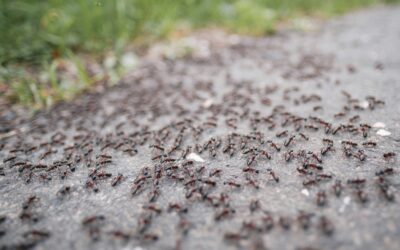
As temperatures begin to rise in Arkansas, ant activity increases almost immediately. Warmer weather signals the start of foraging season, and ants begin searching for food, water, and shelter. What may start as a few ants along a windowsill or countertop can quickly...