
 (
( 

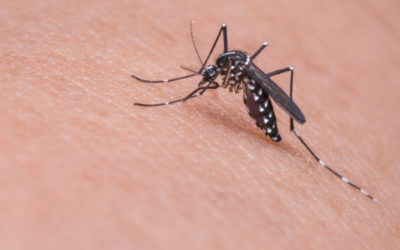
Mosquito control can prevent infestation
Yes, mosquito control is an effective way to prevent infestations and reduce the spread of mosquito-borne diseases. Mosquitoes are known carriers of various diseases such as malaria, dengue fever, Zika virus, West Nile virus, and many others, which can pose a significant threat to human health.

There are several approaches to mosquito control that can be employed to prevent infestations:
Source reduction
This involves eliminating or reducing mosquito breeding sites. Mosquitoes lay their eggs in standing water, so removing or treating stagnant water sources like puddles, buckets, birdbaths, and blocked gutters can significantly reduce the mosquito population.
Larviciding
Targeting mosquito larvae before they become adults is another effective control method. Larvicides are chemicals that are specifically designed to kill mosquito larvae in their breeding habitats, such as ponds, ditches, and other water bodies.
Insecticides
The use of insecticides, such as sprays or fogging, can help reduce adult mosquito populations in specific areas. These measures are typically employed in areas with a high mosquito density or during disease outbreaks.
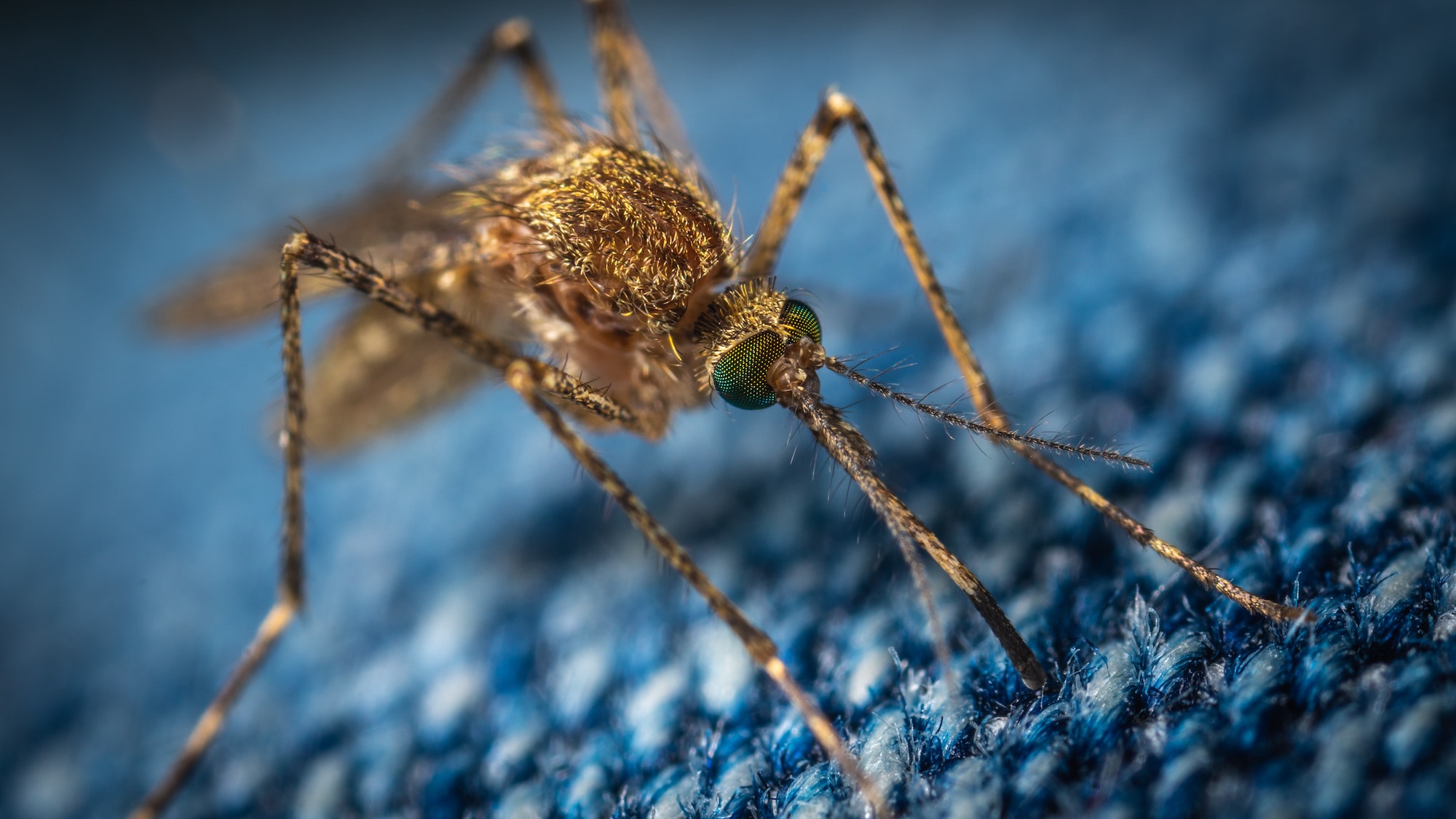
Biological control
Introducing natural predators of mosquitoes, such as fish or predatory insects, into mosquito breeding areas can help control their population. For example, certain species of fish, like gambusia or mosquitofish, feed on mosquito larvae and can be used in fish ponds or other suitable water bodies.
Personal protection
In addition to controlling mosquitoes at the source, individuals can protect themselves from mosquito bites by using insect repellents, wearing protective clothing (long sleeves and pants), and using bed nets while sleeping.
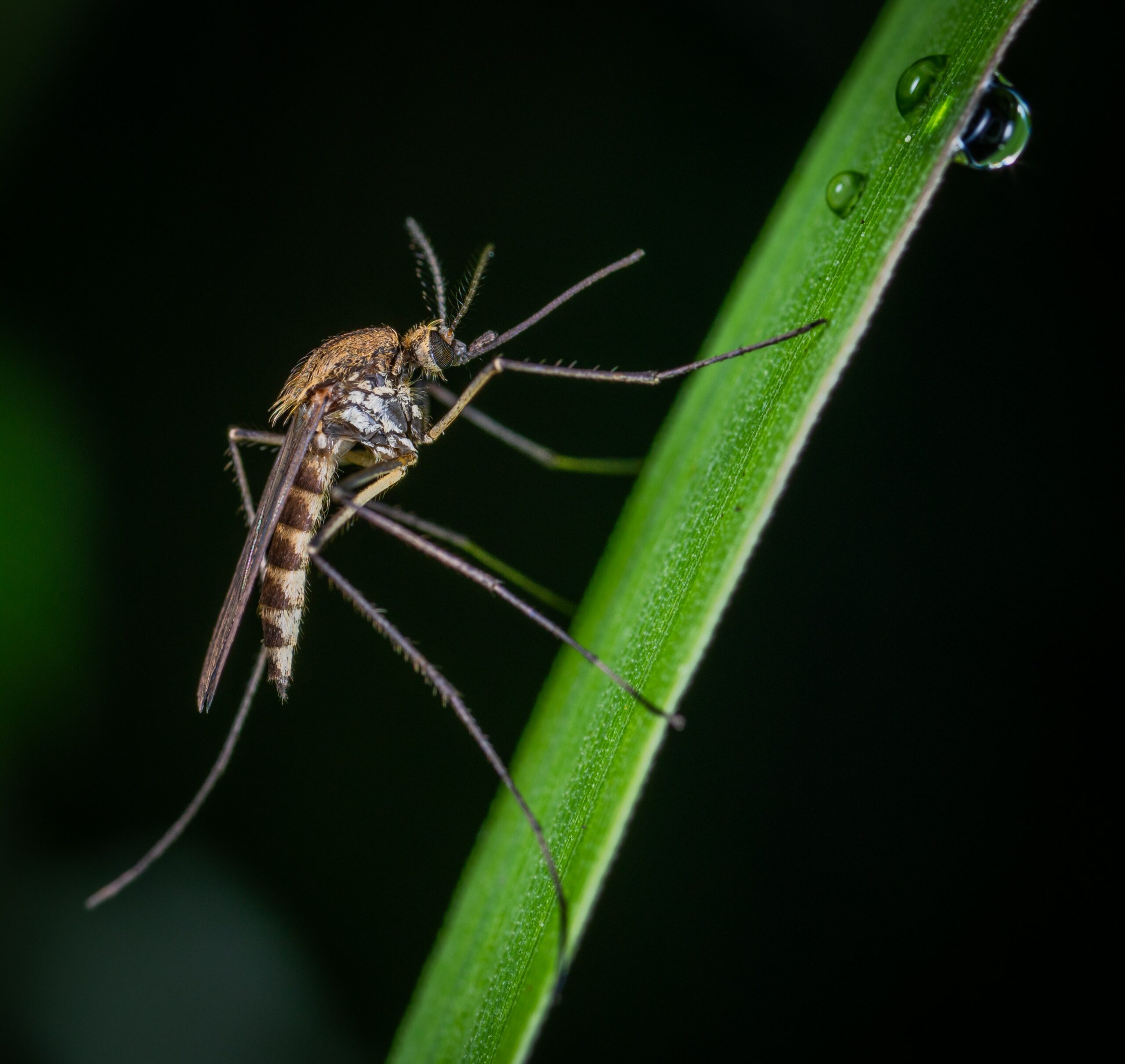
It’s important to note that mosquito control efforts are often coordinated by public health agencies and local authorities. They may carry out surveillance, implement control measures, and educate communities on the importance of mosquito control and personal protection strategies.
By implementing these mosquito control measures, it is possible to significantly reduce mosquito populations, prevent infestations, and mitigate the risks associated with mosquito-borne diseases.
Dangers posed by mosquitoes include:
Mosquito-borne diseases: Mosquitoes are known vectors for various infectious diseases. They can transmit pathogens, such as parasites, viruses, and bacteria, from one host to another. Some of the most notable mosquito-borne diseases include malaria, dengue fever, Zika virus, West Nile virus, and yellow fever.
Allergic reactions: Mosquito bites can cause allergic reactions in some individuals. The immune system reacts to mosquito saliva, which contains proteins that can trigger allergic responses. Symptoms may include localized swelling, redness, itching, and in severe cases, generalized allergic reactions.
Secondary infections: Scratching mosquito bites can break the skin and create openings for bacteria to enter, leading to secondary infections. Common infections include cellulitis, impetigo, and lymphangitis.
Given the potential harm caused by mosquitoes, it is essential to implement effective mosquito control measures to prevent infestations and minimize the transmission of mosquito-borne diseases. West Termite, Pest & Lawn offers a team of trained pest control experts, ready to provide you with pest control solutions customized to address the specific issues you face at your home. Call us today to learn more about our services!
More posts from West Termite, Pest & Lawn

Protected: Best Pest Control Companies in Arkansas: A 2026 Comparison Guide
Password Protected
To view this protected post, enter the password below:

How Fast Can Termites Damage a Home?
Termites are often described as silent destroyers, and for good reason. Unlike pests that make their presence obvious, termites can feed on wood inside walls, beneath floors, and around structural components without homeowners realizing anything is wrong. This...
Are Small Roaches a Sign of a Bigger Infestation?
Seeing a small cockroach in your home can be easy to dismiss. It may disappear beneath an appliance before you get a close look at it, and you may assume it simply wandered indoors from outside. After all, finding one small bug does not always mean your home has a...