
 (
( 

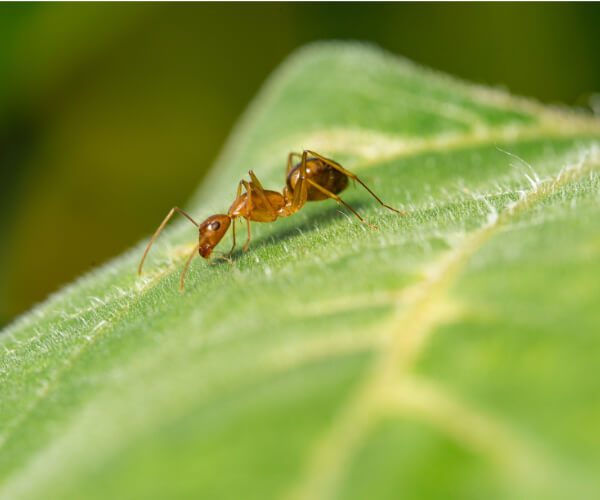
Lawn Care: How to Control Fire Ants In Your Yard
In 2017, thirty-nine counties in Arkansas fell under the federal fire ant quarantine. While the summer season is coming to an end, it’s important to learn to identify these insects and the best lawn care to control them.

You may have heard home remedies from pouring Cayenne Pepper to diesel or gasoline over the mounds. However, these treatments don’t help you control fire ants. Don’t know how to take care of the fire ants inhabiting your yard?
We’ll tell you everything you should know to deal with fire ants in Arkansas. Getting rid of fire ants isn’t as difficult as you might think. Read on to learn more!
How to Identify Fire Ants
Homeowners often misidentify the species of ant when fire ants are infesting their yard. Before learning about the best fire ant treatments, it’s vital to learn how to identify these ants.
In Arkansas, experts have reported six species of fire ants. Solenopsis invicta Buren is the most common species in the state. Fire ants build nests with mounds of up to 1.5 feet in height.
Keep in mind these mounds don’t showcase the typical entry and exit point. Dangerous fire ants leave the mounds in huge numbers to attack any animals disturbing their nests. It’s important to be careful and not get bitten by these insects.
If you or a loved one gets bitten by a fire ant, you should consider visiting a doctor. These bites are painful and can be detrimental to high blood pressure patients.
You may think trying a home remedy is the best lawn care treatment to save money, but it will cost you more in the long run. Fire ants aren’t easy to exterminate and can cause awful injuries.
Don’t know how to get rid of these pests? Here are a few of the most popular lawn care treatments you may consider to control fire ants in your yard.
Mound Treatments
These treatments consist of applying dust and baits the worker ants eat. After these fire ants consume the baits and dust, they’ll feed it to the Queen ant.
However, these treatments aren’t as effective since it doesn’t stop fire ants from building more mounds. If you choose mound treatments, you’ll be spending a lot more on ant control than by choosing another option.
Year-Round Lawn Treatments
Year-round lawn care is the best way to keep fire ants at bay while maintaining your green areas. You may think spreading lawn pest control granules yourself is the best method. However, you should consider contacting an expert to learn about the right treatment for your yard.
Get the Lawn Care Treatment You Need!
A home remedy treatment can help you lower the fire ant population in your backyard. However, these treatments won’t eliminate the queen ant so fire ant mounds will reappear sooner or later. Controlling your fire ant problem will depend on hiring an expert who provides comprehensive lawn care treatments.
When you choose to treat your lawn, you’ll prevent fire ants, lawn fleas, ticks, among other pests. An expert can also recommend the best fertilizing and weed control regimen for your green areas.
At West Termite, we conduct free consultations to create a customized plan to take care of any pests and get your lawn in top shape. Want to get the best Arkansas pest control? Contact us today to learn more about our services.
More posts from West Termite, Pest & Lawn

Spring Pest Control Checklist
Spring is one of the most important times of the year for pest control. As temperatures rise in Arkansas, pests become more active, searching for food, water, and shelter. Without proper preparation, homes can quickly become targets for ants, termites, rodents, and...

Early Detection of Pest Damage Around Your Home
Pest problems rarely start as major infestations. In most cases, damage begins small and goes unnoticed until it becomes expensive and difficult to repair. Early detection of pest damage is one of the most important steps homeowners can take to protect their property....
Preventing Ant Infestations as Temperatures Rise
As temperatures begin to rise in Arkansas, ant activity increases almost immediately. Warmer weather signals the start of foraging season, and ants begin searching for food, water, and shelter. What may start as a few ants along a windowsill or countertop can quickly...