
 (
( 

How to safely deal with a black widow and a brown recluse
In Arkansas and Oklahoma, black widows and brown recluses are two of the most dangerous spiders you can find. Both of these spiders are venomous and will bite if cornered. Luckily, black widow spiders are easy to visually identify (thus a bit easier to avoid,) and brown recluse spiders are, true to their name, reclusive, so you are less likely to run across them in your home or on your property. It is important to know how to identify these types of spiders so that you will know if you or your family are at risk or are facing an infestation. If you see either kind of spider, you should deal with them safely to avoid any of the serious medical issues you may face if you are bitten. There are several things you can do to help prevent venomous spiders from occupying your space, and if you do discover any of these dangerous pests, you can hire trustworthy professionals to safely remove them.

How to identify a black widow and a brown recluse:
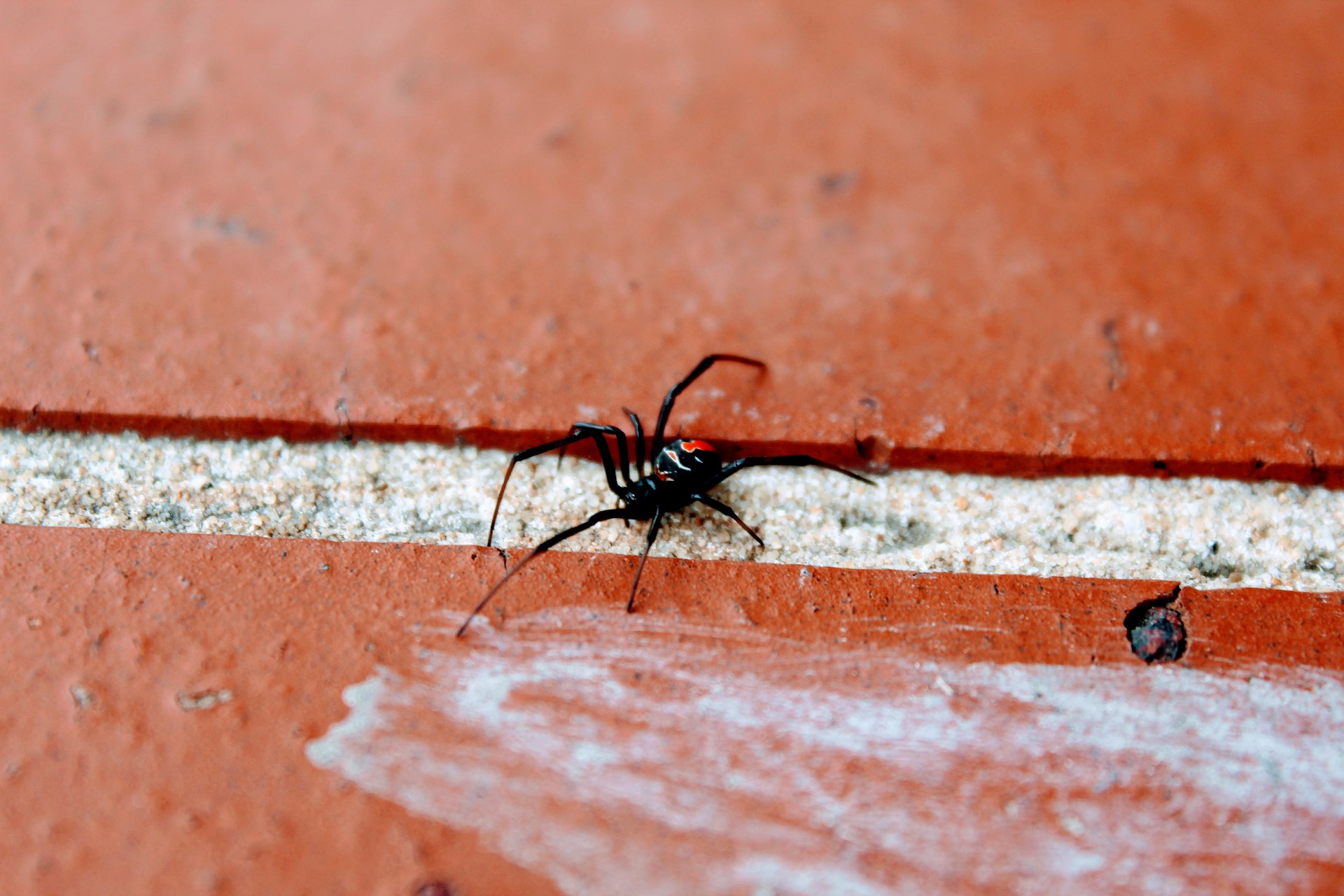
Black widow spiders: An adult black widow spider will appear as a large spider with a rounded body and pointy legs, with an overall shiny black color and a red hourglass shape on its abdomen. Black widows tend to build their webs in out-of-the-way locations.
Brown recluse spiders: Brown recluse spiders are light brown, and adults have a darker, violin-shaped marking on their backs. Unlike most spiders who have eight eyes, brown recluse spiders only have six eyes. Their legs are not spiny or banded, which can help you distinguish brown recluses from other, similar-looking brown spiders. Brown recluses build their webs on wooden structures, such as inside furniture, walls, crawlspaces, and attics.
How to prevent black widow and brown recluse infestations:
Prevention methods for black widows and brown recluses include removing clutter from your home, garage, shed, or attic, especially cardboard boxes, as well as removing any wood piles around the property. Pesticides can also be employed, but these should be used carefully and are best applied by professionals.
Dangers posed by black widows and brown recluses:
Black widow spiders will bite when cornered. A black widow’s venom can cause severe pain, burning, swelling, and redness. The venom affects your nervous system and can cause muscle pain and stiffness, nausea or vomiting, difficulty breathing, abdominal pain or cramping, rash or itching, swollen eyelids, excessive sweating, and weakness or tremors.
Brown recluses are, as the name indicates, often reclusive, and will usually run from humans under most circumstances. On the rare occasion that a brown recluse is trapped up against a human, such as in a bed during the night, a brown recluse may bite. Brown recluse venom can cause necrotic (rotting) skin lesions. More serious complications include a serious allergic reaction or even death, especially for children and elderly people.
Call West Termite, Pest & Lawn today for help dealing with a spider problem.
More posts from West Termite, Pest & Lawn

Protected: Best Pest Control Companies in Arkansas: A 2026 Comparison Guide
Password Protected
To view this protected post, enter the password below:

How Fast Can Termites Damage a Home?
Termites are often described as silent destroyers, and for good reason. Unlike pests that make their presence obvious, termites can feed on wood inside walls, beneath floors, and around structural components without homeowners realizing anything is wrong. This...
Are Small Roaches a Sign of a Bigger Infestation?
Seeing a small cockroach in your home can be easy to dismiss. It may disappear beneath an appliance before you get a close look at it, and you may assume it simply wandered indoors from outside. After all, finding one small bug does not always mean your home has a...