
 (
( 

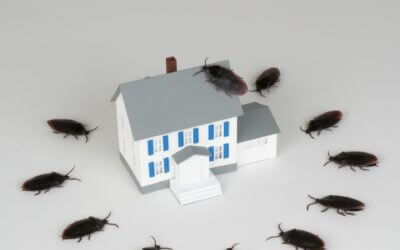
How to Keep Your Home Pest Free this Winter
The changing leaves and cool mornings signal colder weather in the near future.

For many of us, that means bringing out the warm blankets, sealing up the windows and foraging kindle for wood-burning fires.
The same signal is received by insects, pests, and rodents and they seek shelter and warmth to survive the upcoming winter.
Mice, squirrels and warm-blooded rodents aren’t very good houseguests and can cause structural damage by gnawing on wood and wires in your home. This is a nuisance and also a potential danger to your family with disease and electrical fires.
Cockroaches and spiders scurry into crevices to seek refuge in the insulated spaces of the walls of your home.
Here are some suggestions by The National Pest Management Association (NPMA) to pest-proof your home this fall:
- Inspect and install door sweeps on exterior doors
- Seal cracks and openings, especially around pipes and utility outlets
- Keep moisture away from the foundation and remove any standing water
- Trim shrubbery and store firewood 20 feet away from home
If you believe you have a pest infestation in your home, contact West Termite, Pest & Lawn for a free inspection to identify the problem.
More posts from West Termite, Pest & Lawn
Protected: Best Pest Control Companies in Arkansas: A 2026 Comparison Guide
Password Protected
To view this protected post, enter the password below:

How Fast Can Termites Damage a Home?
Termites are often described as silent destroyers, and for good reason. Unlike pests that make their presence obvious, termites can feed on wood inside walls, beneath floors, and around structural components without homeowners realizing anything is wrong. This...
Are Small Roaches a Sign of a Bigger Infestation?
Seeing a small cockroach in your home can be easy to dismiss. It may disappear beneath an appliance before you get a close look at it, and you may assume it simply wandered indoors from outside. After all, finding one small bug does not always mean your home has a...