
 (
( 

How to Deal With a Mosquito Infestation in Your Backyard
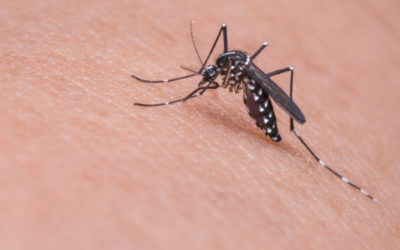
Summertime in Arkansas and Oklahoma is one of the best seasons for outdoor activities. But a mosquito infestation in your backyard can make it hard to enjoy the great outdoors. Not only are mosquitoes annoying when they buzz around, but they can also carry dangerous diseases and bacteria. Don’t forget that it hurts when they bite you, and their bites can keep itching for days and might even get infected. People with sensitive skin are especially vulnerable to experiencing great irritation and possibility of infection when dealing with mosquito bites.

While these issues aren’t fun to deal with, the biggest threat posed by mosquitoes are the diseases they carry. West Nile Virus is the most common disease carried by mosquitoes in the United States, but outbreaks of Dengue Fever, Zika Virus, and other serious diseases have also been found in the U.S. These diseases can come from bloodborne pathogens that are transferred by mosquitoes who have bitten an infected person or animal and then went on to bite another person or animal. Although not all species of mosquitoes carry all or any of these diseases, it’s almost impossible for the average person to tell the difference between various mosquito species. The safest bet is to do everything you can to avoid any contact with all mosquitoes. Calling in some professional pest control help is the fastest and most effective way to deal with a mosquito infestation. In the meantime, there are additional steps you can take to deal with a mosquito infestation in your backyard.
Plant deterrents:
Some mosquito deterrent plants include catnip, basil, lemon balm, lavender, thyme, garlic, citronella, peppermint, sage, rosemary, and geranium. Try adding these plants to your yard, either in containers or in beds, to naturally deter mosquitoes.
Lay cedar mulch:
Crazy ants are common inn southern states and typically infest homes in large numbers. Keeping a well-manicured lawn during winter months can help homeowners notice crazy ants before their numbers increase.
Use yellow LED light bulbs:
Like many insects, mosquitoes are attracted to the warmth of conventional light bulbs often used in porch lights. Luckily, mosquitoes are less attracted to yellow LED lighting, making this an ideal choice for outdoor lighting.
Eliminate pools of stagnant water:
Don’t let standing water remain on your property after it rains or collects due to condensation or moisture dripping from an air conditioner unit. Mosquitoes are attracted to stagnant water to lay their eggs, which hatch into larvae (baby insects). Even a couple of inches of standing water in the bottom of an old bucket is plenty of room for mosquitoes to lay countless eggs, leading to countless new mosquitoes infesting your backyard.
If you try these tips and you’re still dealing with a mosquito infestation, West Termite, Pest & Lawn is ready to help. Call us today so you can enjoy the rest of the season in your backyard.
More posts from West Termite, Pest & Lawn
Protected: Best Pest Control Companies in Arkansas: A 2026 Comparison Guide
Password Protected
To view this protected post, enter the password below:

How Fast Can Termites Damage a Home?
Termites are often described as silent destroyers, and for good reason. Unlike pests that make their presence obvious, termites can feed on wood inside walls, beneath floors, and around structural components without homeowners realizing anything is wrong. This...
Are Small Roaches a Sign of a Bigger Infestation?
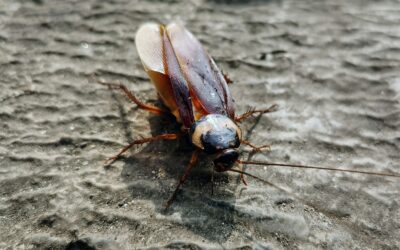
Seeing a small cockroach in your home can be easy to dismiss. It may disappear beneath an appliance before you get a close look at it, and you may assume it simply wandered indoors from outside. After all, finding one small bug does not always mean your home has a...