
 (
( 

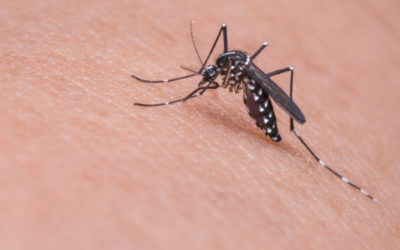
How puddles and mosquitoes go hand in hand
During the summertime, storms can leave puddles everywhere. Unfortunately, mosquitoes and puddles go hand in hand. Mosquitoes are quick to live and breed in standing water. They only need a couple of inches of water to lay hundreds of eggs, allowing them to double in population seemingly overnight. Because they have such rapid life cycles, they can really take over your property in just a couple of days and cause serious health problems for you and your family.

Mosquitoes can carry dangerous diseases and bacteria. It usually hurts when they bite you, and their bites can keep itching for days and might even get infected. People with sensitive skin are especially vulnerable to experiencing irritation and infection when afflicted with mosquito bites. While these issues aren’t fun to deal with, the biggest threats posed by mosquitoes are the diseases they carry. West Nile Virus is the most common disease carried by mosquitoes in the United States, but outbreaks of Dengue Fever, Zika Virus, and other serious diseases have also been found in the U.S. These diseases come from bloodborne pathogens that are transferred by mosquitoes who have bitten an infected person or animal and then bit another person or animal. Although not all species of mosquitoes carry all of these diseases, it’s almost impossible for the average person to tell the difference between various mosquito species. The safest bet is to do everything you can to avoid any contact with all mosquitoes. Calling in some professional pest control help is the fastest and most effective way to deal with a mosquito infestation. In the meantime, there are additional steps you can take to get rid of mosquitoes and reduce your likelihood of attracting them to your property.
Eliminate pools of stagnant water:
Don’t let standing water remain on your property after it rains or collects due to condensation or moisture dripping from an air conditioner unit. Mosquitoes are attracted to stagnant water to lay their eggs, which hatch into larvae (baby insects). Even a couple of inches of standing water in the bottom of an old bucket is plenty of room for mosquitoes to lay countless eggs, leading to countless new mosquitoes infesting your backyard.
Lay cedar mulch:
Mosquitoes are attracted to damp areas, which can be easy to find in gardens, especially during summertime when gardens are watered heavily. Covering your gardens in cedar mulch will help absorb extra moisture, making the garden less attractive to mosquitoes.
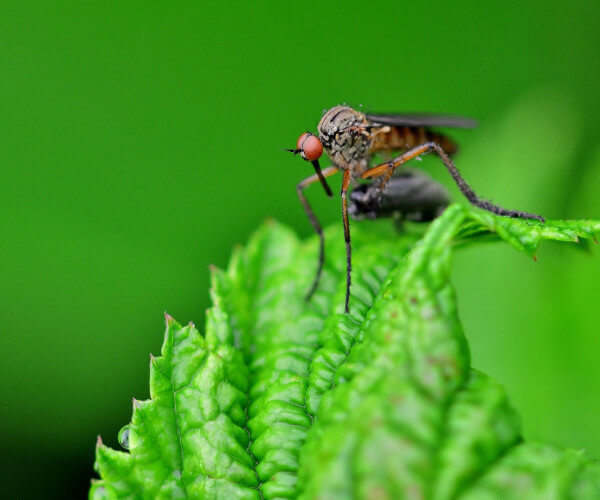
Plant deterrents:
Some mosquito deterrent plants include catnip, basil, lemon balm, lavender, thyme, garlic, citronella, peppermint, sage, rosemary, and geranium. Try adding these plants to your yard, either in containers or in beds, to naturally deter mosquitoes.
Use yellow LED light bulbs:
Like many insects, mosquitoes are attracted to the warmth of conventional light bulbs often used in porch lights. Luckily, mosquitoes are less attracted to yellow LED lighting, making this an ideal choice for outdoor lighting.
Call West Termite, Pest & Lawn today!
More posts from West Termite, Pest & Lawn

Spring Pest Control Checklist
Spring is one of the most important times of the year for pest control. As temperatures rise in Arkansas, pests become more active, searching for food, water, and shelter. Without proper preparation, homes can quickly become targets for ants, termites, rodents, and...

Early Detection of Pest Damage Around Your Home
Pest problems rarely start as major infestations. In most cases, damage begins small and goes unnoticed until it becomes expensive and difficult to repair. Early detection of pest damage is one of the most important steps homeowners can take to protect their property....
Preventing Ant Infestations as Temperatures Rise
As temperatures begin to rise in Arkansas, ant activity increases almost immediately. Warmer weather signals the start of foraging season, and ants begin searching for food, water, and shelter. What may start as a few ants along a windowsill or countertop can quickly...